
Last updated November 21, 2026
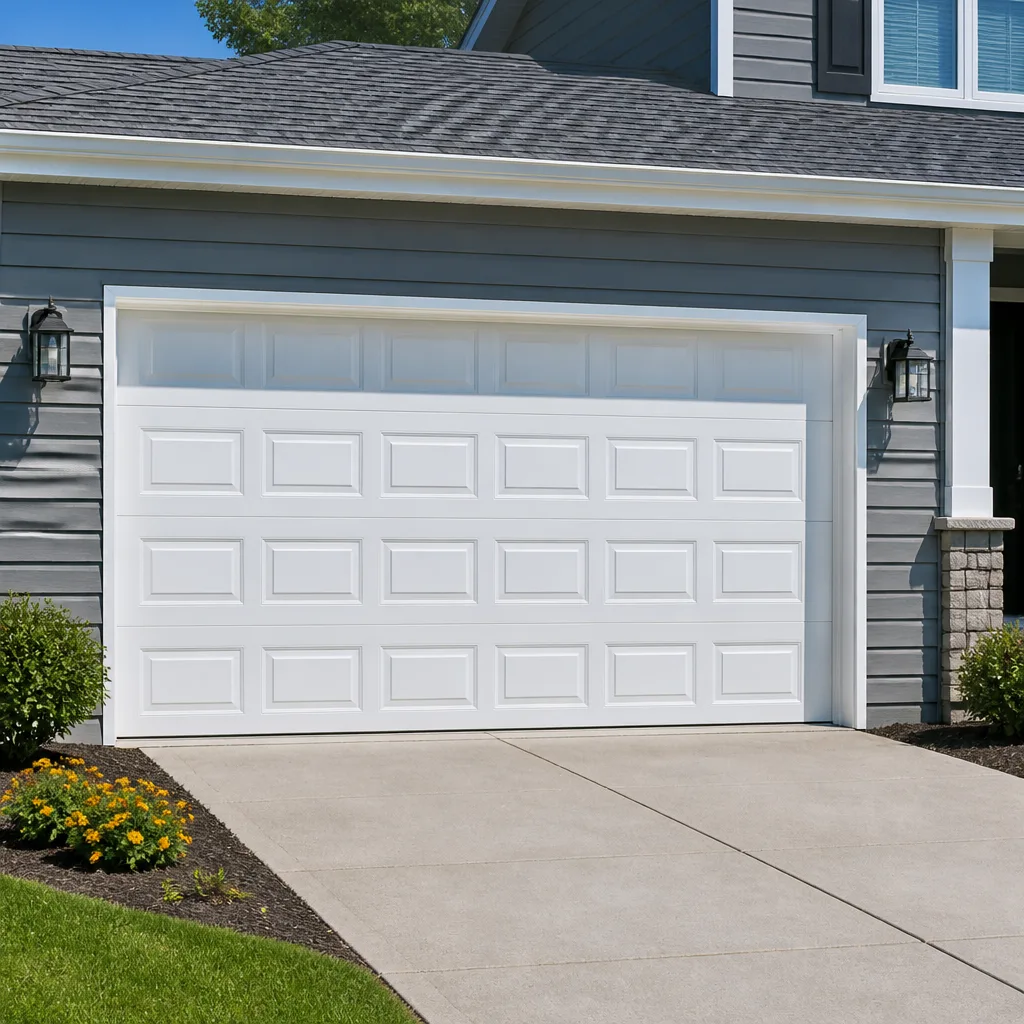 Raised-panel steel
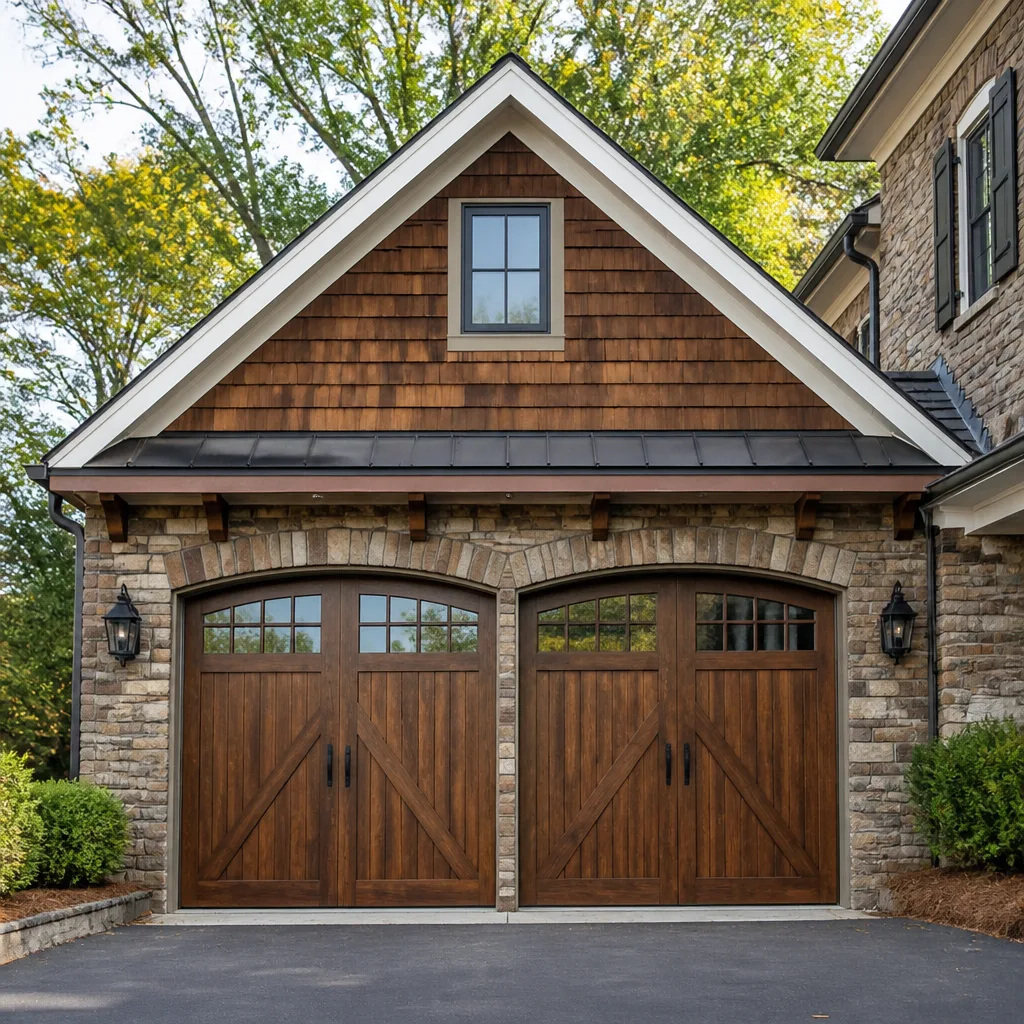 Carriage house
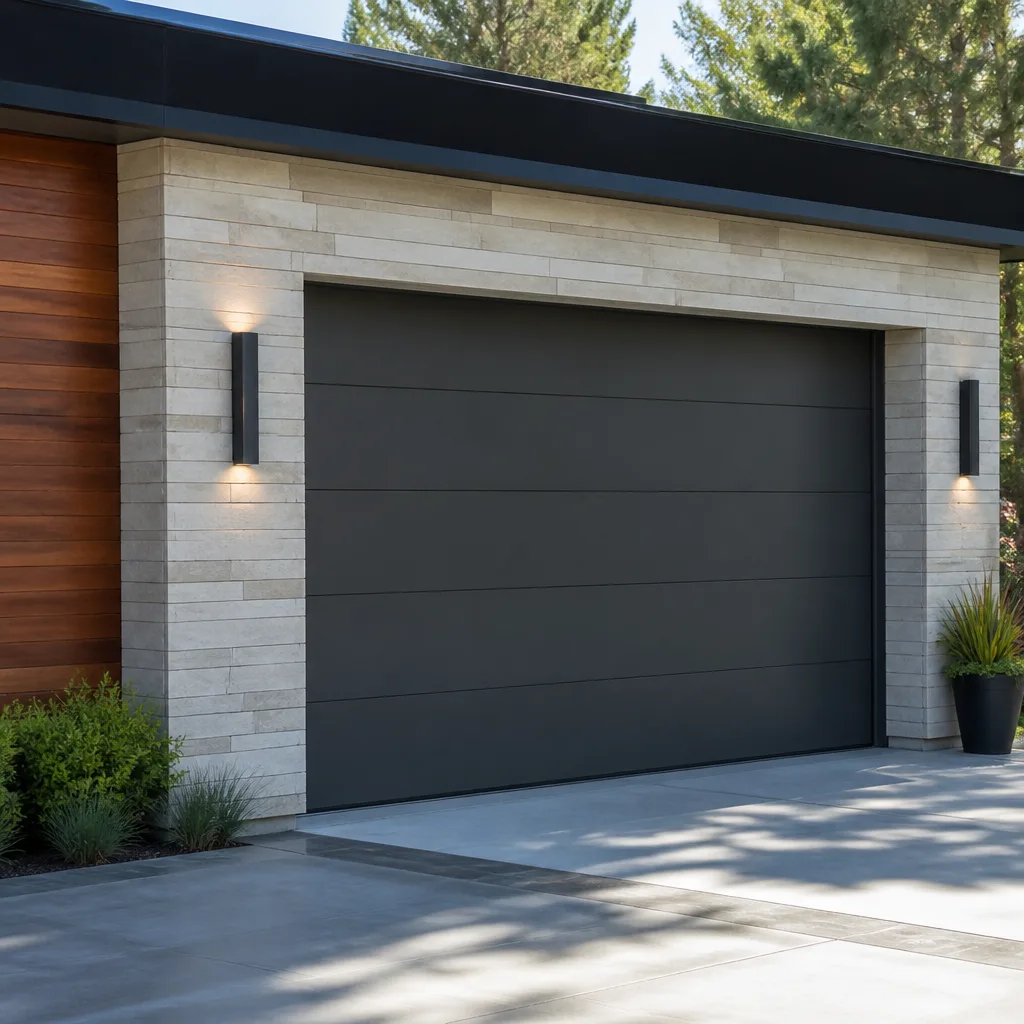 Modern flush
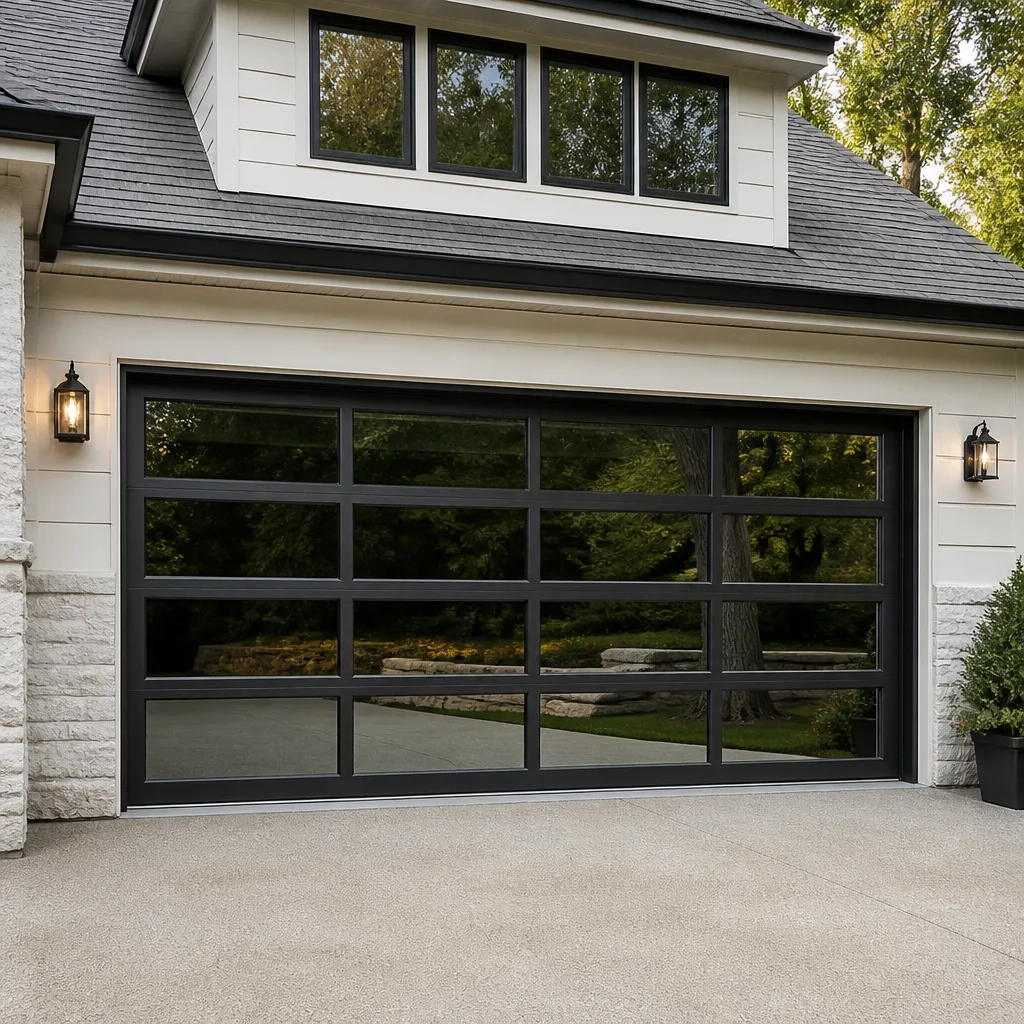 Full-view glass
 LiftMaster openers
 Chamberlain openers
Full 25-point door and opener safety check with every visit - springs, cables, rollers, tracks, and your LiftMaster or Chamberlain opener included
You get a price before we start. It does not change when the pro arrives.
Get your free estimateGarage Door Warning Signs: A Princeton Heights Homeowner’s Reference Guide
Most homeowners treat a garage door problem as a sudden event. One morning the door won’t open, and it feels like it happened overnight. It almost never does. Garage doors telegraph failure for weeks, sometimes months, through sound, sight, and feel, and the signals are remarkably consistent once you know how to read them. A grinding on the way up and quiet on the way down isn’t random; it points to worn nylon rollers dragging on the upward track pull. Reading that correctly turns a sixty-dollar roller swap into a same-week fix instead of a bent track and a snapped cable. This guide is written from Princeton Heights, and it’s built to help you interpret what your door is telling you the way a technician does: which noise traces to which component, which visual sign means days not months, and when the smart move is a phone call.
Quick Answer
The most reliable warning signs of a failing garage door are unusual noises (grinding, squealing, popping, rattling, or a loud bang), a door that moves unevenly or reverses on its own, visible spring or cable damage, slow response from the wall button or remote, and a gap of light under a closed door. Any one of these is worth diagnosing, and a loud bang followed by a door that won’t lift usually means a torsion spring has broken. In Princeton Heights, where freeze-and-thaw cycles work on metal and seals all winter, catching these signs early is what separates a small repair from a larger one.
Styles & brands we work with
- Raised-panel steel
- Carriage house
- Modern flush
- Full-view glass
- LiftMaster openers
- Chamberlain openers
Table of Contents
- The Five Sounds and What Each One Means
- Visual Warning Signs in Springs and Cables
- Out of Balance or Failing Opener? How to Tell the Difference
- Why a Slow Wall Button Points to the Logic Board
- The Floor Gap Test: Reading the Light Under Your Door
- The Signs You Should Never Test Yourself
- Warning Signs by Urgency: Fix Now, Fix Soon, Watch It
- What Garage Door Repairs Cost in Princeton Heights
The Five Sounds and What Each One Means
Sound is the earliest and most specific diagnostic tool a garage door gives you. Each noise tends to trace back to a distinct component, and in our experience the same five sounds come up again and again on doors across Princeton Heights. Learning to name the sound instead of just registering that “something’s wrong” is the difference between a targeted repair and a guessing game.
- Grinding on the way up, silence on the way down. This is the signature of worn nylon rollers dragging against the track as the door is pulled upward. The rollers wear flat on one side, so the resistance only shows in one direction. Left alone, the drag stresses the track and the cables. Caught early, it’s a roller replacement.
- Squealing or high-pitched whining. Usually dry or worn hinges and roller bearings, sometimes an unlubricated torsion spring. It’s the least alarming sound on this list, but it’s also the easiest to resolve before the friction grinds metal on metal.
- A sharp popping or snapping. A cable jumping its drum or a roller popping out of the track. This one usually means the door has shifted out of alignment and should be looked at before it’s operated again.
- A rattling or clattering. Loose hinges, a loose bottom bracket, or a track that’s pulling away from the jamb. On older Princeton Heights homes, the wood framing around the opening moves seasonally, and that movement loosens fasteners over time.
- A single loud bang from inside the garage, followed by a door that won’t lift. This is the sound of a torsion spring breaking. It is not a sound to investigate on your own; it’s a call to a professional. We’ll cover this in more detail below.
If you can describe the sound and when it happens, a technician can often tell you which part is failing before arriving. That’s useful, but it doesn’t replace a diagnosis. Knowing the sound tells you the category; only inspection confirms the specific part. If you want a pair of trained ears on it, garage door repair starts with exactly that kind of listening.
Visual Warning Signs in Springs and Cables
Springs and cables are the two components most likely to fail suddenly, and both give visual warnings first. A torsion spring above the door should look like a tight coil. When it starts to age, it develops a visible gap: a half-inch separation in the coil where the metal has begun to give. That gap is a warning that the spring is close to the end of its life, not that it’s already broken. A torsion spring that has already failed will show a clean break, and usually a small gap of an inch or more. If you see that gap, the door won’t lift, and it shouldn’t be forced.
On the cable side, look at the drums at each end of the torsion bar and the cables running down the sides of the door. A cable that’s beginning to fail will show fraying, a kink, or a strand that’s popped loose from the braid. A cable that’s jumped its drum will be visibly off the groove, and the door will hang unevenly. Extension springs, which run alongside the door on some older setups, tell a similar story with worn or stretched coils and loose safety cables.
Cables and springs work together. A worn spring puts extra load on the cables, and a frayed cable can shock-load the spring. That’s one reason we treat spring and cable inspection as a single job rather than two. It’s also why a door that “just needs a spring” sometimes needs a cable too, and why a proper diagnosis before the work starts is the only way to know.
Here in Princeton Heights, the seasonal swings matter. Metal contracts in cold and expands in warmth, and the cycle puts stress on springs and the fasteners that hold the track and brackets. Doors that look fine in summer can show a new gap or a new noise the first cold week of the year. That’s not a coincidence, and it’s a good reason to walk around the door once the seasons change.
Out of Balance or Failing Opener? How to Tell the Difference
A door that binds, strains, or stalls can mean two opposite things, and the fix for one makes the other worse. The door can be out of balance (a door problem), or the opener can be losing power (an opener problem). They look similar from the driver’s seat of your car, but they need different repairs.
The balance test tells you which one you’re dealing with. It’s a simple, safe check:
- Disconnect the opener using the release cord (the red handle on most doors). This puts the door in manual mode.
- Raise the door by hand to about halfway and let go. A balanced door should stay roughly where you left it.
- If the door drops on its own, the springs are losing tension or the door is out of balance. It also means the opener has been carrying the door’s weight, and that’s a strain it was never designed to handle.
- If the door stays put or moves easily, the springs are likely doing their job, and the problem is more likely in the opener.
There’s a pattern we see often: a door that’s been out of balance for a while, with the opener doing the lifting, eventually shows up as a straining opener. It’s tempting to replace the opener because that’s what seems to be failing. The right call is usually to fix the balance and check the opener’s condition. Replacing a working opener while the real problem is in the springs only buys you time. If the opener itself is the issue, garage door opener repair is where we start, and we work on all the major systems: LiftMaster, Chamberlain, Genie, and Craftsman.
Doing the balance test by hand is safe. Working on the springs behind the balance is not, and we’ll get to that.
Why a Slow Wall Button Points to the Logic Board
When the wall button or remote responds slowly, or only after several presses, the default assumption is a dead battery. Sometimes that’s right. But a slow or inconsistent response from the wall-mounted button, especially one that’s wired into the opener, is often the first sign of a failing logic board.
Here’s the difference. A dead battery in a remote or keypad causes no response at all, or a response that requires holding the button longer. A failing logic board causes delayed or intermittent response from a wired button that should be immediate. The opener’s control board receives the signal, processes it slowly, and then actuates. As the board degrades, the delay gets longer, and the opener may stop responding to some devices while still working with others. A door that responds to the wall button but not the remote, or one that works intermittently from the car but not from the wall, is sending you a signal about the board or the receiver, not the batteries.
Modern openers, including many Genie and LiftMaster models with Wi-Fi and app control, have more electronics in the same housing, and a failing board can show up as an app that can’t connect, a door that opens on its own, or a light that stays on. None of those are battery symptoms. If you’ve replaced the batteries and the wall button still lags, the opener is the place to look. That’s a diagnostic we handle as part of our opener work, and it’s usually a board or receiver issue rather than a reason to replace the whole unit.
The Floor Gap Test: Reading the Light Under Your Door
Close your door and look at the floor line from inside the garage, ideally in low light. You should see a clean, even seal along the whole width. A gap of light, or a strip that’s brighter in one place than another, tells you something specific about the door and its alignment. It’s one of the simplest checks a homeowner can do, and it’s one of the most useful.
What the light tells you:
- Light at both ends, dark in the middle. The door is bowed, usually from a worn bottom section or a track that’s not straight. The weatherstripping can’t compensate for a curved door.
- Light on one side only. The door is out of alignment or the track on that side has shifted. This is common on older homes where the framing has moved with the seasons.
- Even light all the way across, but a visible gap. The weatherstripping is worn, compressed, or missing. It’s the simplest fix on this list, and the most common.
- A gap that changes from month to month. Sometimes that’s the weatherstripping settling and sometimes it’s the slab or the framing moving. If it’s the slab, the door can’t seal properly until the cause is addressed.
The floor gap test is also a quiet security check. A door that doesn’t seal at the floor is easier to see under and easier to get a tool under. Fixing the seal is a repair and a deterrent at the same time. In Princeton Heights, where old driveways and slabs are common, the floor line is worth a look every few months.
The Signs You Should Never Test Yourself
Some warning signs call for a phone call, not an inspection. Torsion and extension springs are under very high tension, and the tools and technique for working on them are specialized. A spring that’s showing a gap is already storing energy in a compromised coil. A cable that’s frayed can snap under load. Neither is a component to test by hand or to treat as a DIY project, and we say that as a company that works on these systems every week.
Never do these things when you see the related warning sign:
- Don’t try to lift a door with a broken torsion spring by hand. The door is heavier than it looks, and the spring’s job is to counterbalance that weight.
- Don’t cut or loosen a cable that looks frayed or off its drum. Even a slack cable can snap back under tension.
- Don’t reach into the torsion bar or drum area to “see what’s loose.”
- Don’t run the opener repeatedly to force a door that’s stuck. It can bend the track or the door panel.
- Don’t stand under a door that’s partially open with a known spring problem.
Our technicians have up to 11 years of experience, and spring repair is a core part of what we do, not a referral. That’s not a sales line; it’s a reflection of how often spring failures show up in this trade. When a spring is the problem, the right move is to have it looked at by someone trained for it. If you’re not sure whether it’s a spring or the opener, we can diagnose it and tell you which one. Call (855) 799-9554 for a free estimate.
Warning Signs by Urgency: Fix Now, Fix Soon, Watch It
Not every warning sign is a call-today situation. Sorting them by urgency helps you decide when to act and when to note it and keep an eye on it. This is how a technician triages them, and it’s a reasonable way for a homeowner to think about it too.
Fix now (call today):
- A loud bang from the garage and a door that won’t lift. That’s a broken spring.
- A cable that’s visibly off its drum, frayed, or hanging loose.
- A door that’s hanging unevenly or has come off one track.
- Any door that reverses on its own or closes on something in its path.
Fix soon (schedule within the week):
- Grinding on the way up or a consistent new noise.
- A door that’s out of balance on the hand test.
- A wall button or remote that responds slowly or intermittently.
- A visible gap in the torsion spring coil.
Watch it (note it and check again):
- Squealing or light rattling that’s new but not getting worse.
- A small gap under the door that’s been stable for months.
- Occasional light flicker from the opener.
These categories aren’t a substitute for an inspection, and a “watch it” sign that gets worse moves up the list. The point is to give you a way to prioritize without panicking over every squeak or ignoring a real warning.
What Garage Door Repairs Cost in Princeton Heights
Repair costs in Princeton Heights vary by the part and the labor involved, but the ranges below reflect what typical jobs run in this market. These are estimates, not quotes; the written estimate sets the final price, and we confirm it before any work starts.
| Repair | Typical Estimated Range |
|---|---|
| Roller replacement (set) | $60 – $150 |
| Hinge replacement and lubrication | $75 – $150 |
| Weatherstripping replacement | $100 – $250 |
| Track adjustment or realignment | $100 – $250 |
| Opener repair (board, receiver, or sensors) | $150 – $350 |
| Torsion spring replacement (one spring) | $180 – $340 |
| Extension spring replacement (one spring) | $120 – $280 |
| Cable replacement (per side) | $100 – $250 |
A spring price above is for one spring. Most doors use a matched pair that’s replaced together, so a pair costs about twice that. We quote per job, and the written estimate is the price. If the door needs more than one repair, we itemize it so you can see what’s necessary and what can wait.
Parts availability matters to the number. Because we supply garage door parts directly, we’re not waiting on a third-party order for common components, and that keeps both the timeline and the cost predictable. If your door is a Clopay, Amarr, Wayne Dalton, or another major brand, we can source the correct part rather than adapting a generic one. When the repair is smaller than the repair bill, we’ll tell you that too. For a new door rather than a repair, garage door installation is measured, ordered, and scheduled, so we quote a written price after the measure rather than promising a same-day result.
Common Mistakes to Avoid
- Treating every noise as a reason to replace the opener. Many noises trace to rollers, hinges, or tracks, and the opener is a bystander. Replacing it fixes nothing and costs more than the actual repair.
- Ignoring a slow wall button. A lagging wired button is often a failing logic board, not a battery, and a board that’s failing can eventually leave the door stuck. Address the symptom while it’s still intermittent.
- Forcing a door with a broken spring. Running the opener on a door whose spring has failed pulls the full weight through the opener and can bend the door or damage the track. Stop and call.
- Skipping the balance test. A door that drops on the hand test is out of balance, and the opener has been compensating. Fix the balance before the opener pays for it.
- Sealing over a floor gap without finding the cause. New weatherstripping won’t fix a bowed door or a shifted track. Diagnose the gap before you shop for a seal.
- Waiting on a visible spring gap. A gap in the coil is a warning, not a maintenance note. It means the spring is close to failing, and failing springs don’t pick a convenient time.
- Assuming Princeton Heights’ seasonal swings left the door alone. Cold and warmth move metal and framing, so a door that was fine in fall deserves a fresh look in the first cold snap and again in spring.
See the difference
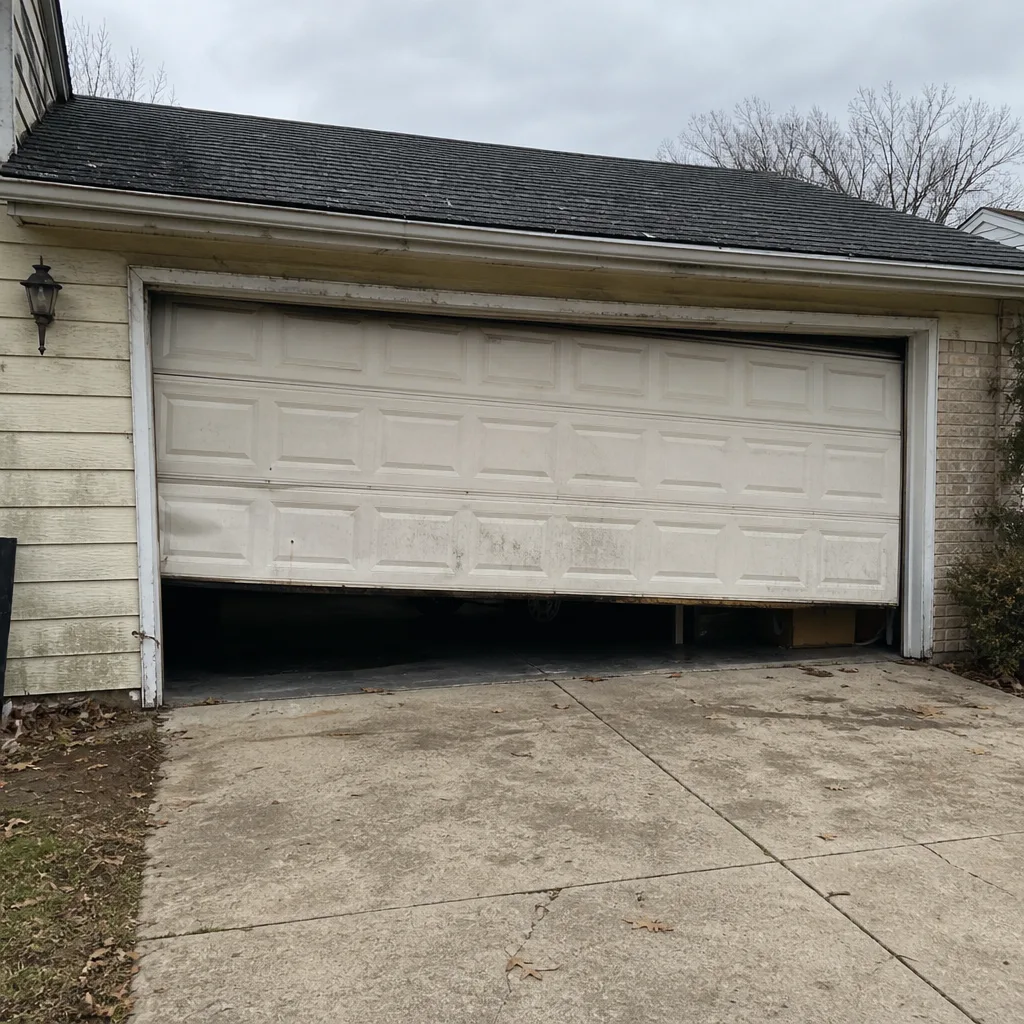 Before
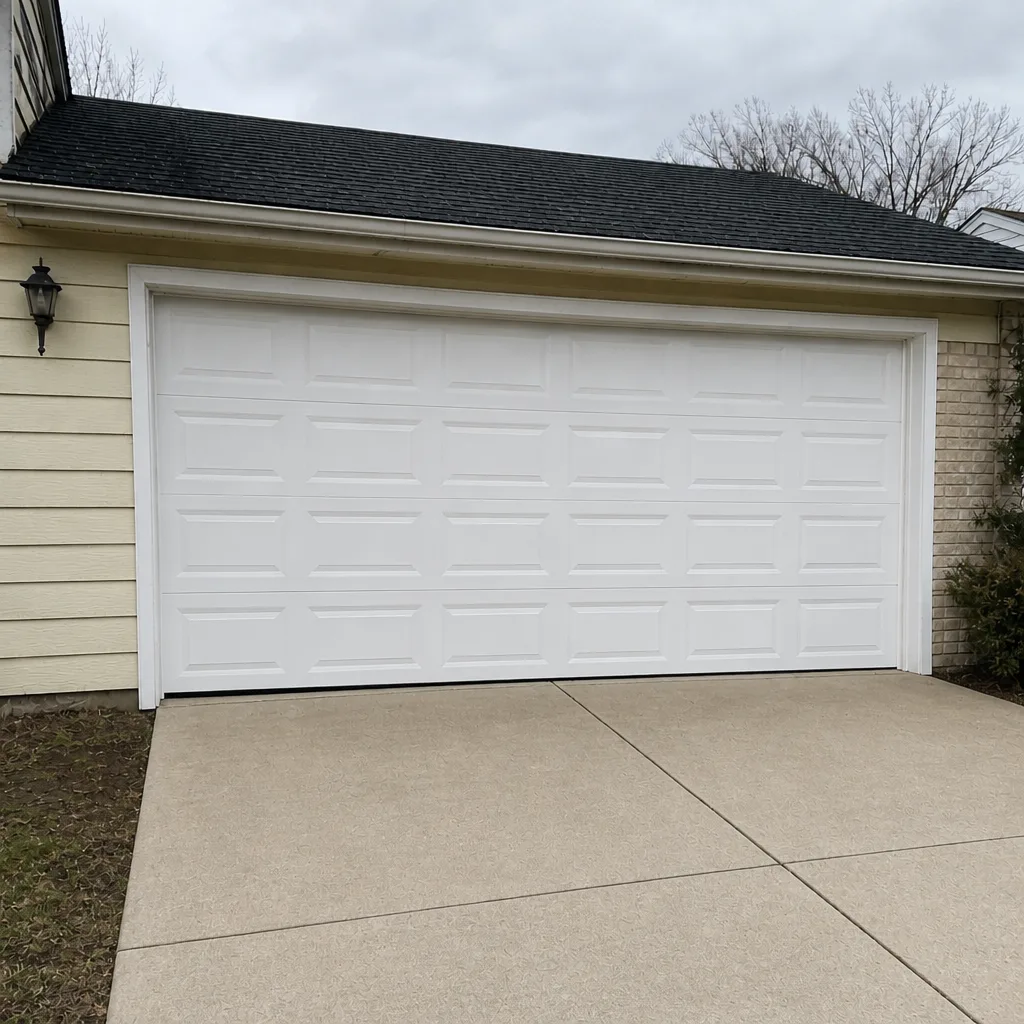 After
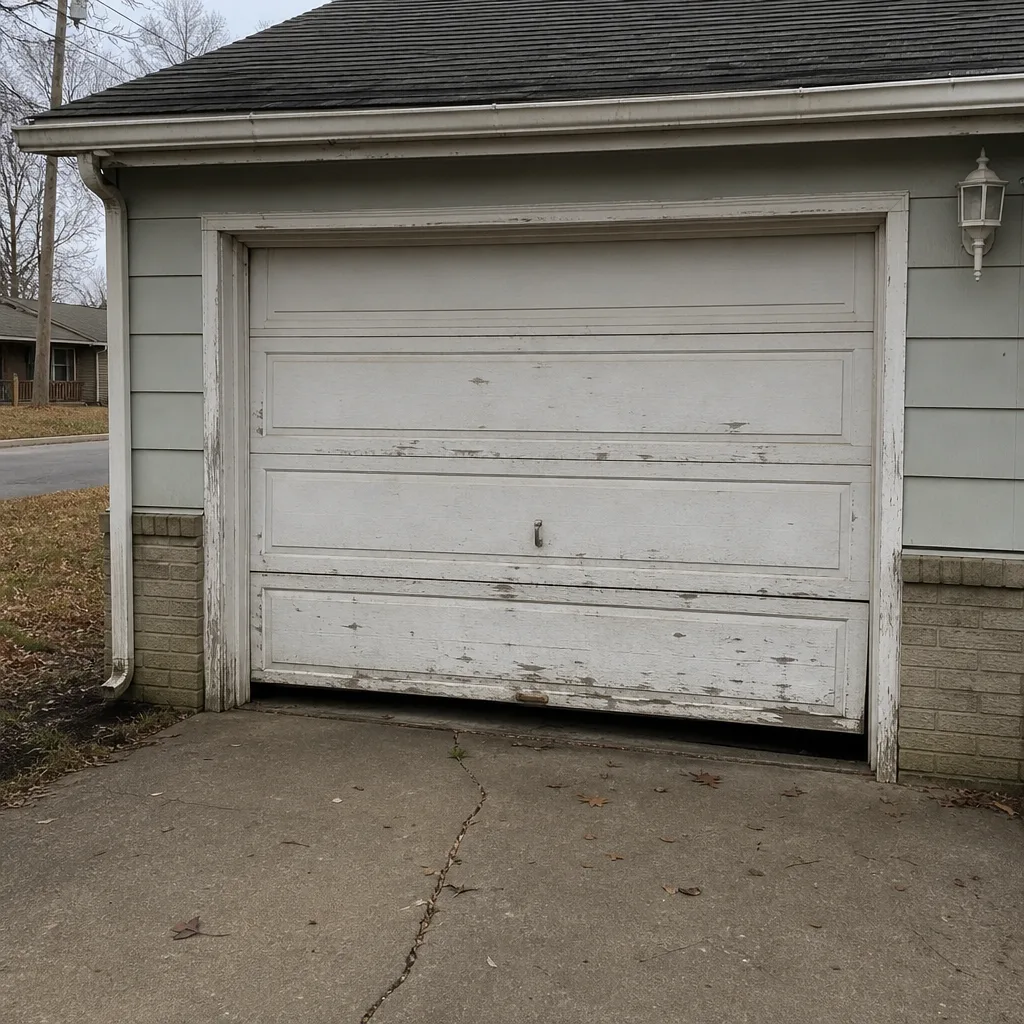 Before
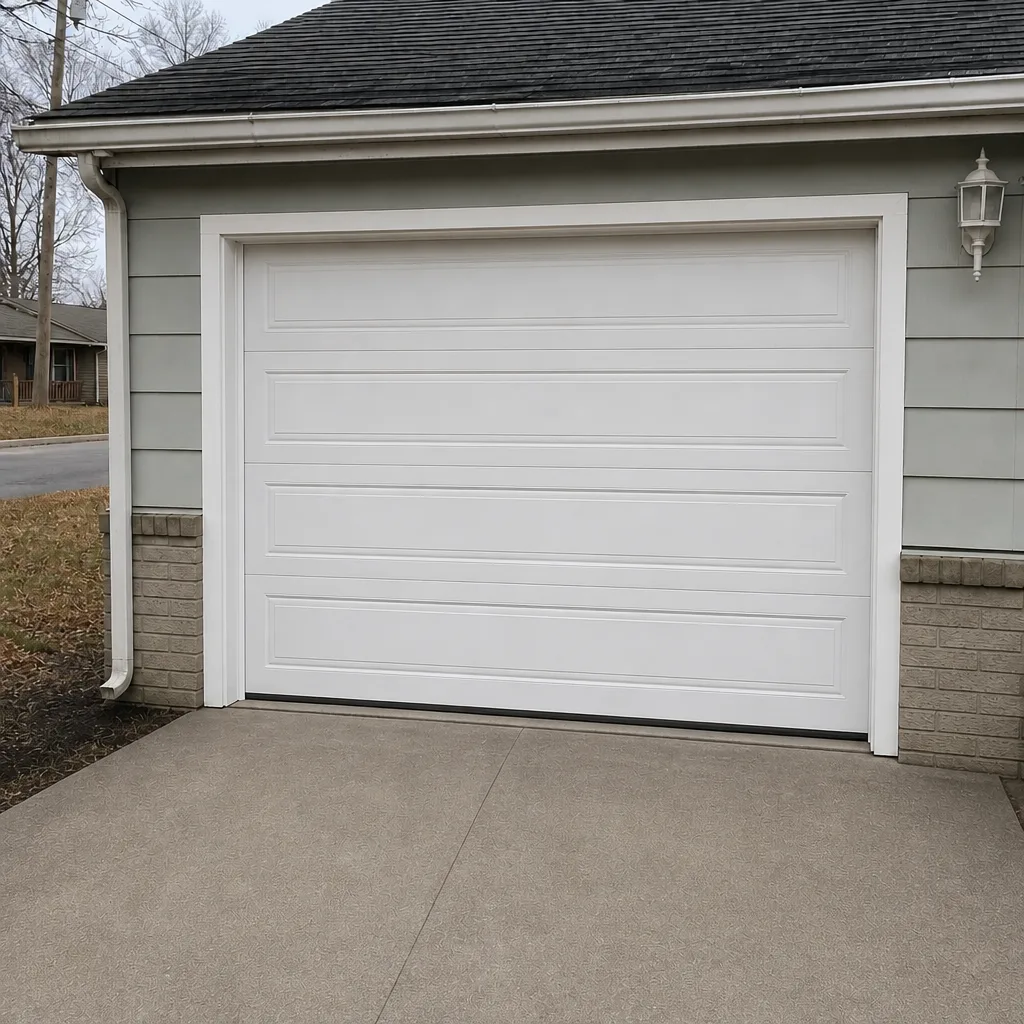 After
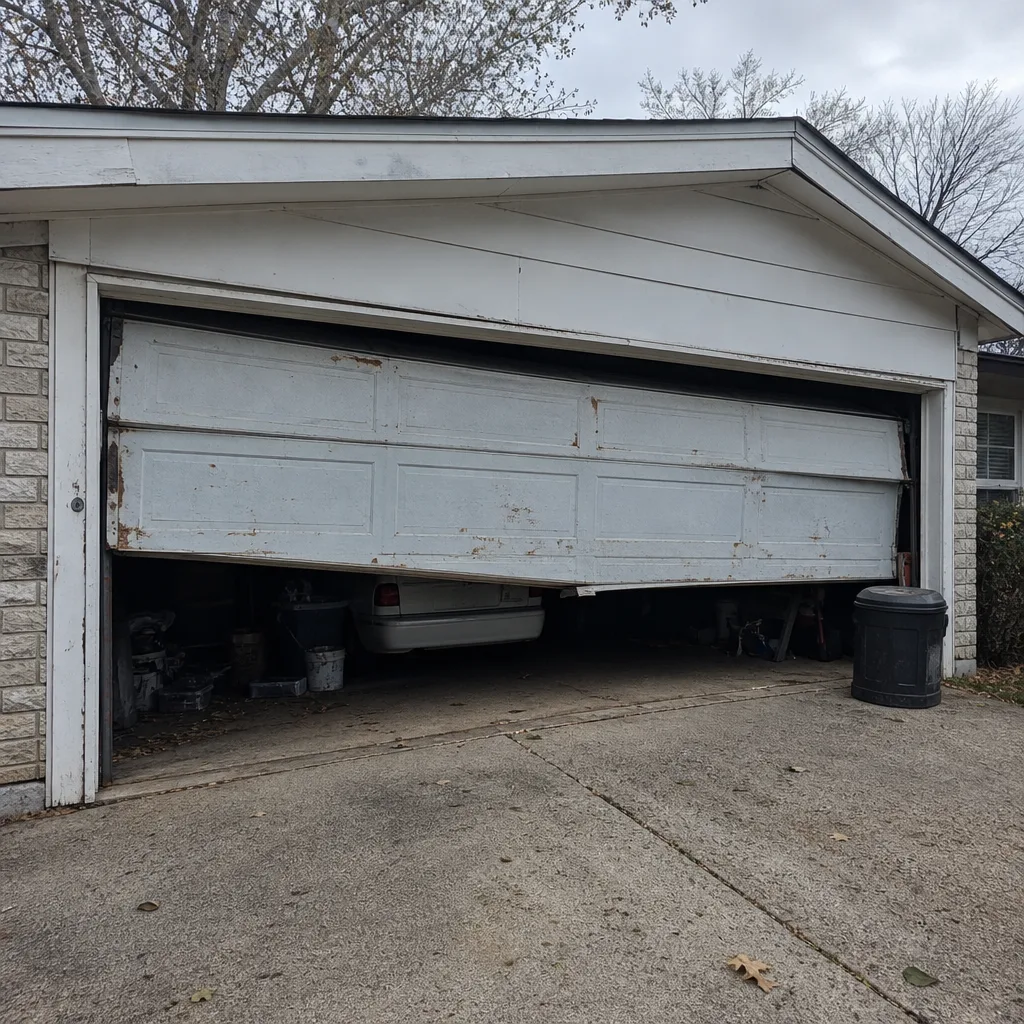 Before
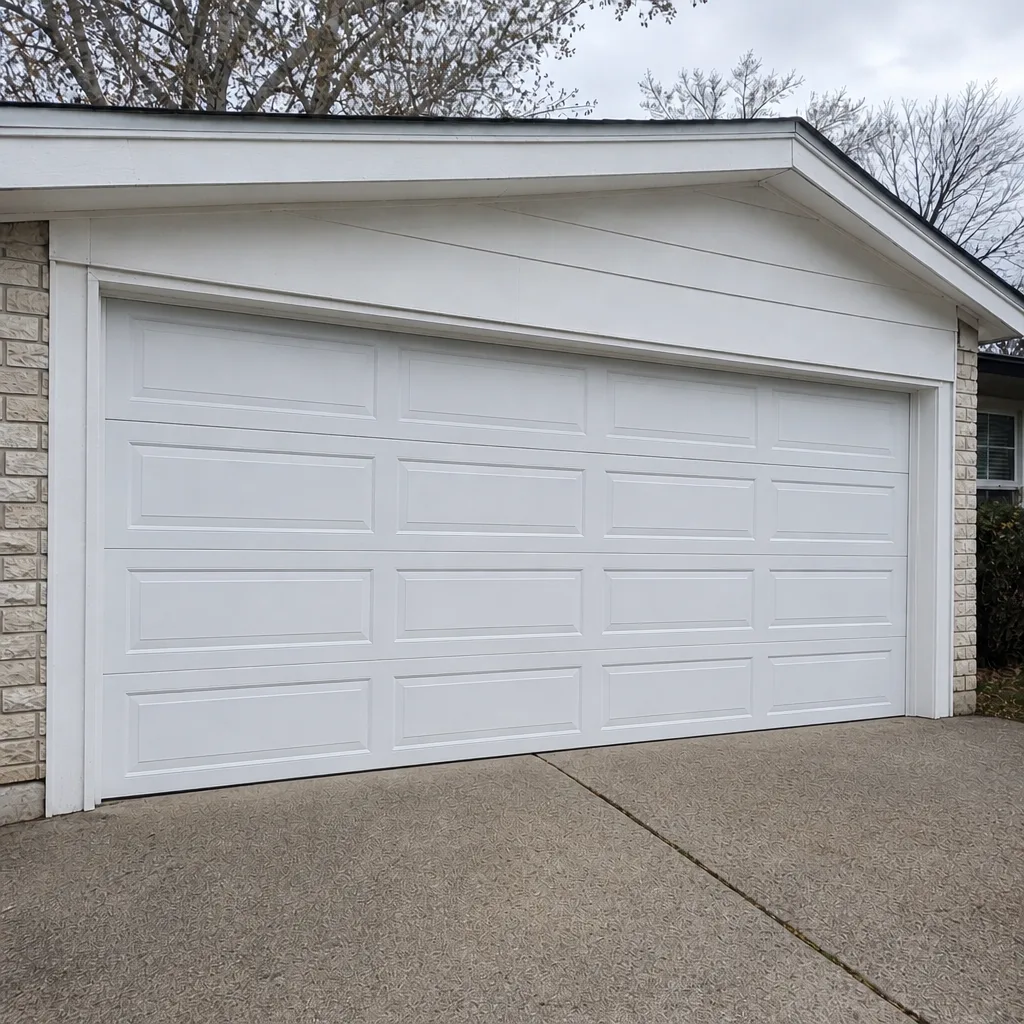 After
When to Call a Professional
Call a professional when the warning sign involves a spring, a cable, or the door coming off track. Those three are the ones where a homeowner’s inspection can turn into an injury, and they’re also the ones where the repair is most likely to be done right the first time by someone trained for it. Call sooner if the door won’t move, reverses on its own, or shows a gap in the spring coil or a frayed cable. For a slow opener, a grinding roller, or a floor gap, a scheduled visit is fine. Garage Door Repair Princeton Heights offers free estimates in Princeton Heights. Call (855) 799-9554; we answer 24/7, with fast dispatch from 7am to 7pm, Sunday through Friday.
Frequently Asked Questions
A visible gap in the torsion spring coil is the most reliable early sign. The coil should look tight; a separation of an inch or more means the spring has lost integrity and is close to failing. If you see that gap, don’t operate the door, and call (855) 799-9554 for a free estimate.
That pattern usually means worn nylon rollers dragging against the track on the upward pull. The rollers wear flat on one side, so the resistance shows in one direction only. It’s a targeted repair if caught early, and a bent track if it’s left. Call (855) 799-9554 for an exact quote; estimates are free.
Typical estimated ranges in Princeton Heights run from about $60 to $150 for rollers, $150 to $350 for an opener repair, and $180 to $340 for one torsion spring, with a matched pair costing about twice that. The written estimate sets the final price. Call (855) 799-9554 for an exact quote; estimates are free.
No. A slow or intermittent wired wall button often points to a failing logic board or receiver, not batteries. Batteries cause no response at all; a lagging response from a wired button is a board symptom. We diagnose it as part of opener repair. Call (855) 799-9554 for a free estimate.
The written estimate is the price. We diagnose the door, quote the repair per job, and confirm the price before any work starts. If the scope changes, we tell you before we proceed. Call (855) 799-9554 for an exact quote; estimates are free.
Same-day service is available for repair calls, and we handle spring and cable failures as a priority. We answer 24/7; a call outside dispatch hours is booked into the next opening. Fast dispatch runs from 7am to 7pm, Sunday through Friday. Call (855) 799-9554.
The Bottom Line
Garage doors give warning before they fail. Sound is the earliest signal, and each noise tends to trace back to a specific part: grinding to worn rollers, a bang to a broken spring, a slow wall button to a logic board. Visual signs in springs and cables tell you when a failure is days away, not months. The balance test separates a door problem from an opener problem, and the floor gap test reads weatherstripping, track, and slab in one look. In Princeton Heights, seasonal swings make a periodic check worth the five minutes. When the sign points to a spring, a cable, or a door off its track, that’s a call to a professional rather than a project. We work on all the major brands, fix the part rather than replace the system, and quote a written price before work begins.
Call (855) 799-9554 for a free estimate. We answer 24/7, with fast dispatch from 7am to 7pm, Sunday through Friday.
Written by the team at Garage Door Repair Princeton Heights.