
Last updated November 21, 2026
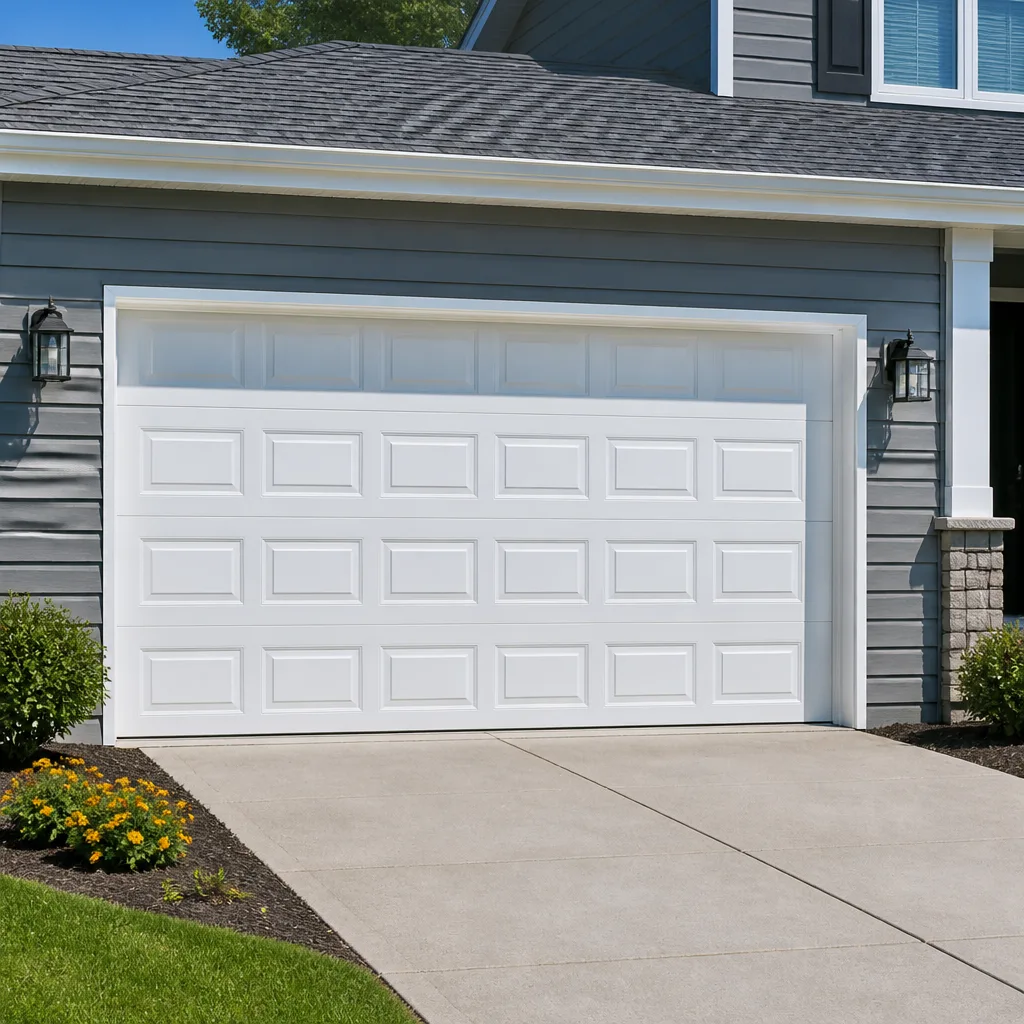 Raised-panel steel
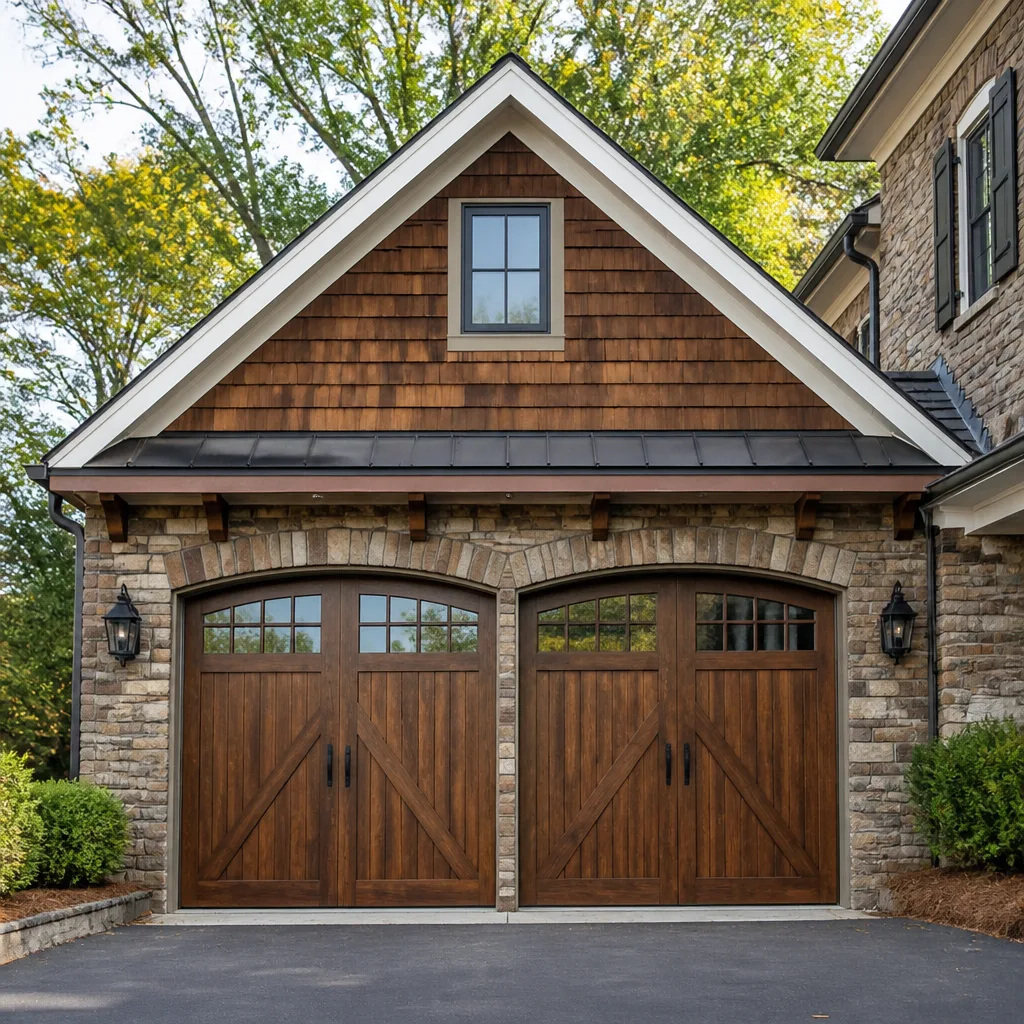 Carriage house
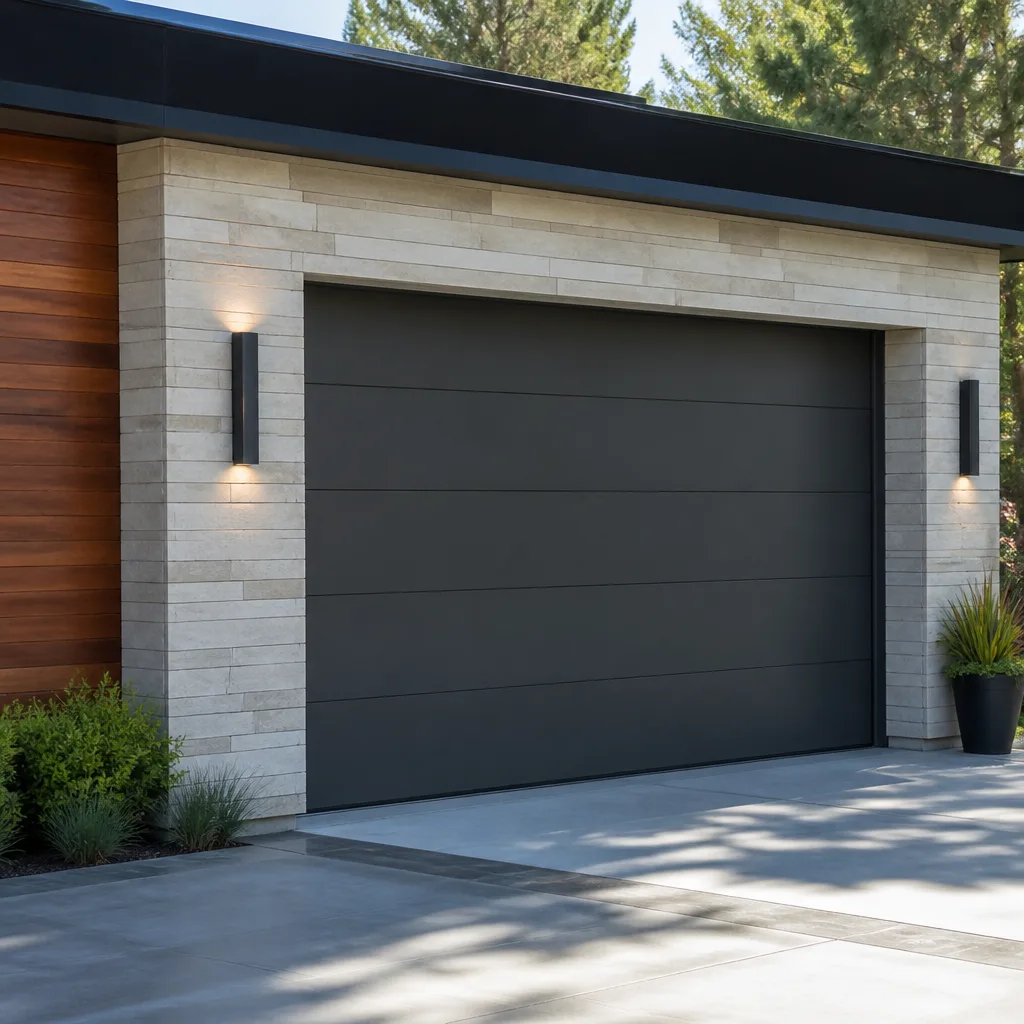 Modern flush
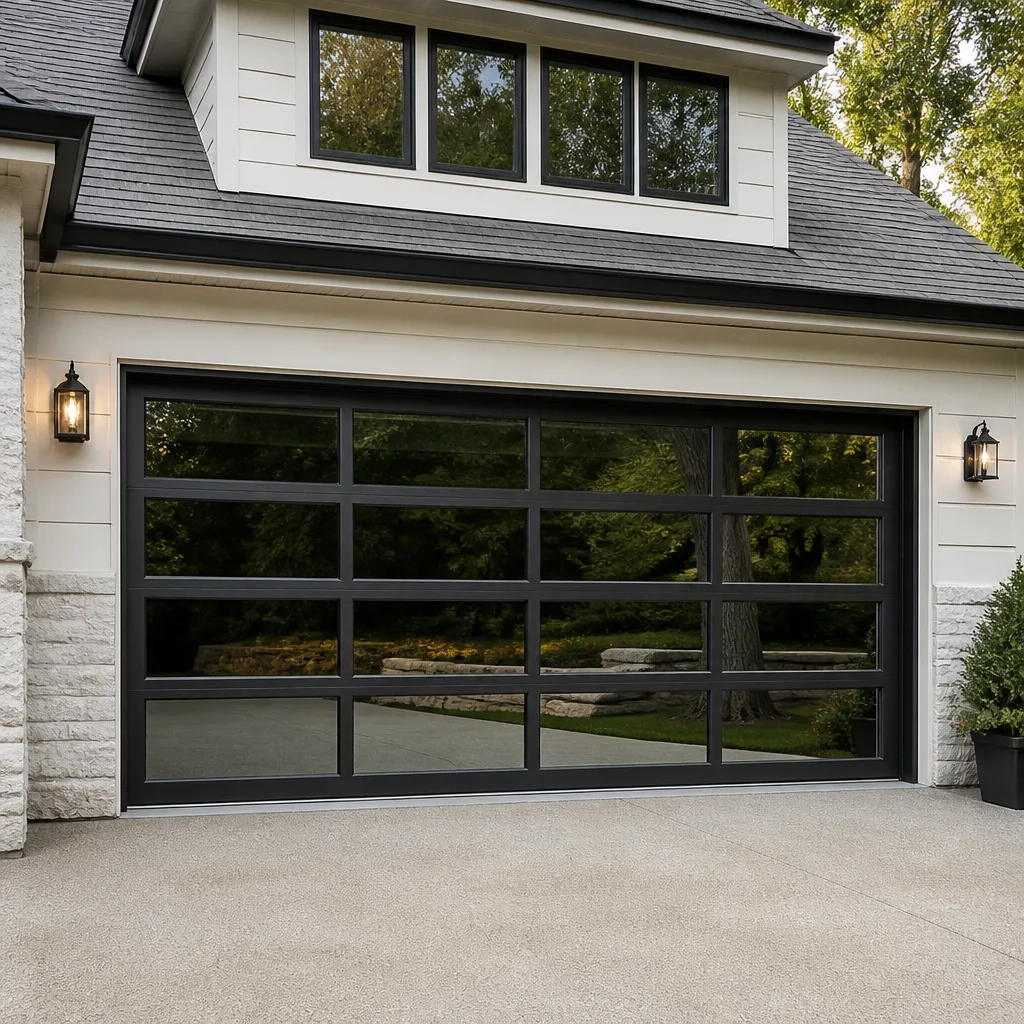 Full-view glass
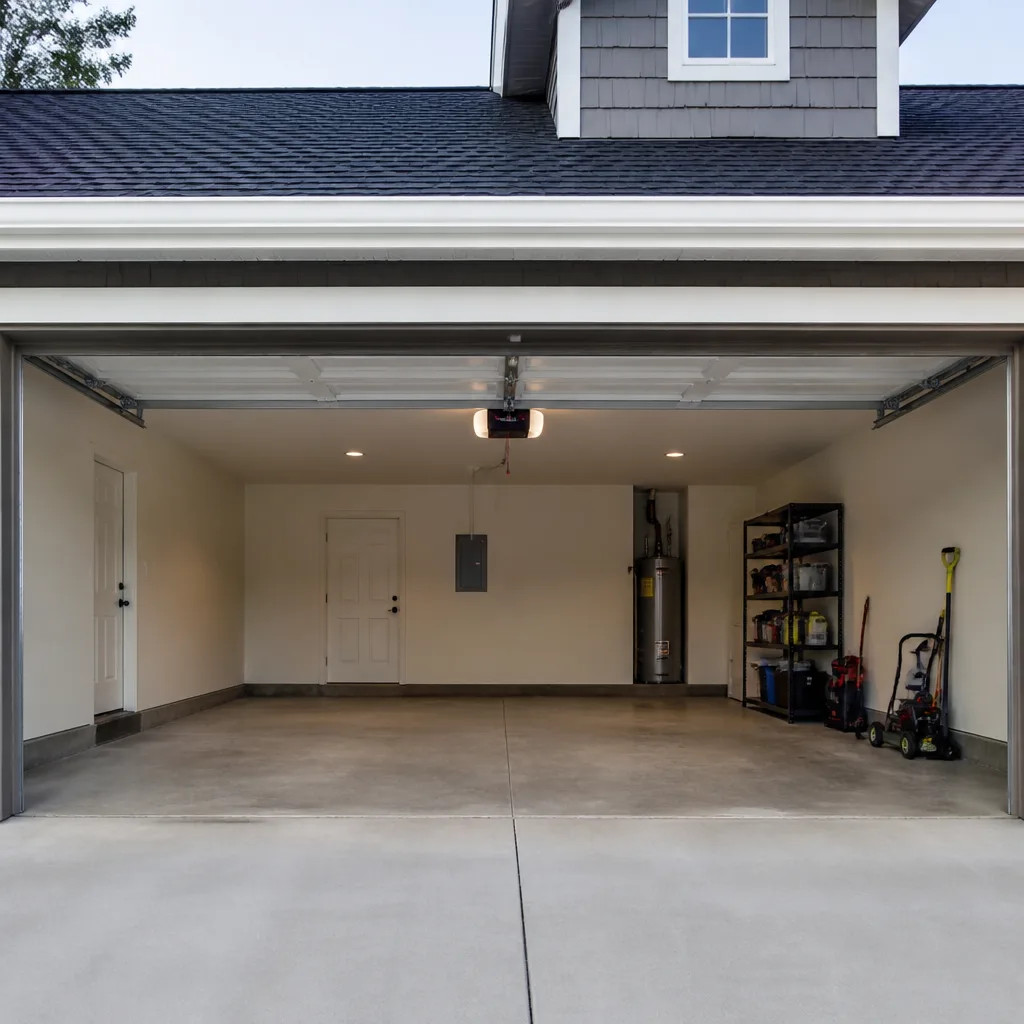 LiftMaster openers
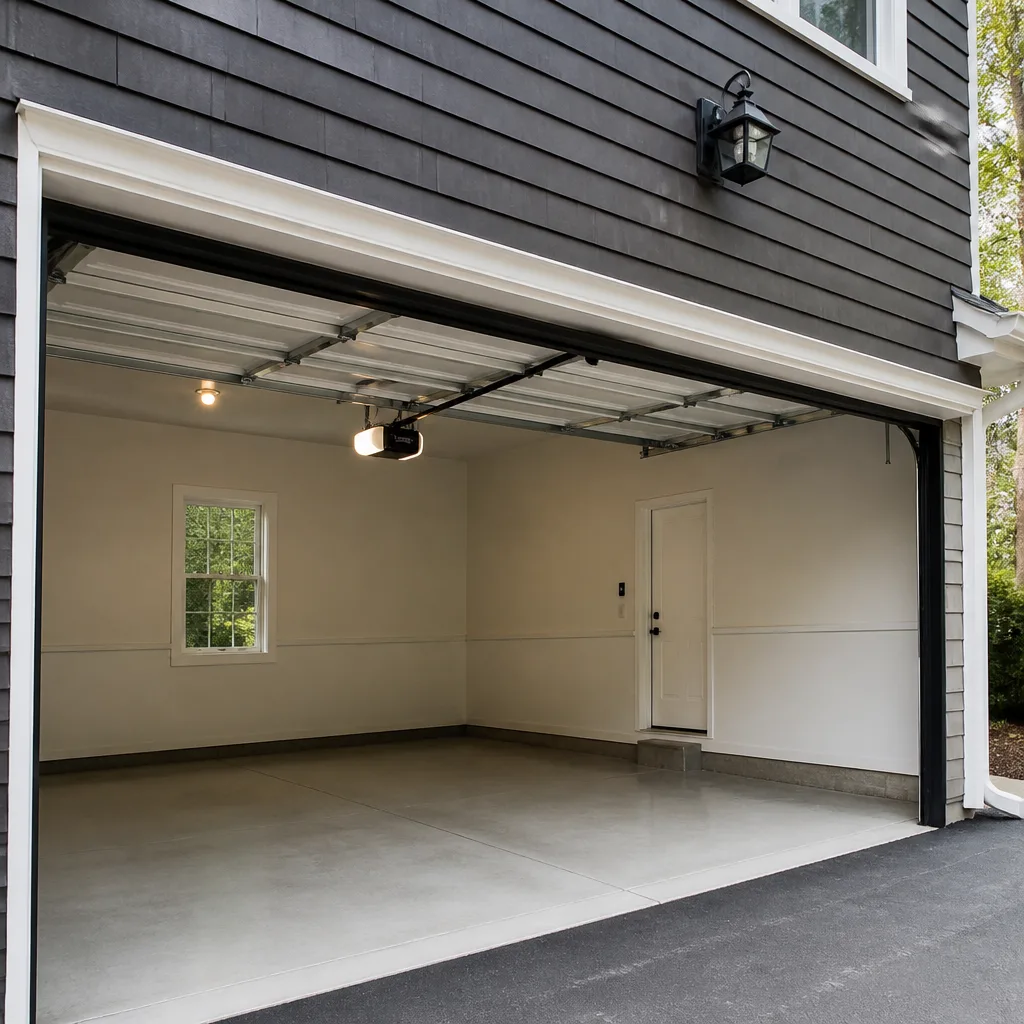 Chamberlain openers
Full 25-point door and opener safety check with every visit - springs, cables, rollers, tracks, and your LiftMaster or Chamberlain opener included
You get a price before we start. It does not change when the pro arrives.
Get your free estimateChoosing the Right Garage Door Brand: A Buyer’s Guide for Princeton Heights
Two of the most heavily marketed residential garage door brands carry nearly identical price points and nearly identical panel profiles, yet one has the kind of service parts network that puts a replacement torsion component in your hands quickly in the St. Louis metro, and the other can leave your door out of service for the better part of a week waiting on the same part. You will not find that gap on any comparison chart, because manufacturers don’t publish downtime data and retailers don’t track it. The logo on the panel is the least useful thing to compare. This guide walks through what actually determines whether a brand serves you well in Princeton Heights: warranty structure read past the headline, real parts availability, steel and insulation numbers translated into Missouri’s seasonal swing, failure patterns our technicians run into repeatedly, and how to tell a good install from a bad one regardless of brand.
Quick Answer
The best garage door brand for a Princeton Heights home depends on three things more than marketing: how its warranty actually pays out, whether its parts are locally available when something fails, and whether the door’s steel gauge and insulation match how you use the garage. Clopay and Amarr give buyers the widest range of insulated residential models with widely stocked components, while LiftMaster and Chamberlain dominate opener electronics with parts support that keeps repairs quick. For most Princeton Heights homes, brand choice matters less than the quality of the installation and the availability of service parts in the St. Louis metro.
Styles & brands we work with
- Raised-panel steel
- Carriage house
- Modern flush
- Full-view glass
- LiftMaster openers
- Chamberlain openers
Table of Contents
- Why Brand Choice Is Not About the Logo
- How to Read a Garage Door Warranty Beyond the Headline
- Parts Availability in the St. Louis Metro: Same-Day Repair vs. Long Waits
- Steel Gauge and Insulation Claims in Missouri’s Climate Range
- Brand-Specific Failure Patterns Our Technicians See
- When Brand Matters Less Than Installation Quality
- A Step-by-Step Framework for Choosing a Brand in Princeton Heights
- Choosing an Opener Brand Alongside the Door
Why Brand Choice Is Not About the Logo
The name on the door tells you who assembled the panels. It tells you almost nothing about what happens the first time a spring snaps or an opener board fails. What matters is the ecosystem around that brand: who stocks its parts, who understands its tolerances, and how the warranty is administered when a claim comes in.
Garage doors are systems, not products. A door is panels, hinges, rollers, tracks, springs, cables, and an operator working as one assembly. Each brand has its own gauge standards, spring wire sizing, track profiles, and opener logic. When one component fails, the replacement has to match the system, not just the brand name. A torsion spring sized for a Clopay door has different dimensions than one built for an Amarr door of the same nominal width. A universal part can fit, but it won’t perform to spec, and it may shorten the life of everything around it.
In Princeton Heights, we see this play out constantly. A homeowner buys a door from a big-box retailer, and six or seven years later a hinge bends or a roller seizes. The retailer no longer stocks the door. The brand sells the part through a distributor network with a lead time. Meanwhile the door is stuck. That scenario is not a brand problem. It’s an ecosystem problem, and it’s why the questions below matter more than the badge.
Ask three things about any brand before you commit:
- Who in the St. Louis metro actually stocks its parts, and how quickly can a specific component be sourced?
- What does the warranty cover on labor versus materials, and who honors it?
- Does the door’s steel and insulation specification match how you actually use the garage?
Those answers predict your experience with the door far better than a spec sheet. If you’re already dealing with a failure and need Garage Door Repair Princeton Heights, the brand question becomes an availability question fast. The goal is garage door repair that fixes the actual component, not a swap-out that replaces a system to hide a diagnosis nobody did.
How to Read a Garage Door Warranty Beyond the Headline
“Lifetime warranty” on a garage door rarely means what a homeowner assumes. It usually means the panels themselves are covered for as long as you own the home, with a long list of exclusions that shift most of the real cost back to you.
Manufacturer warranties are typically split into tiers: one duration for sections, a shorter one for hardware, and a shorter one still for springs. A door sold with a lifetime panel warranty might carry a five-year hardware warranty and a one-year or three-year spring warranty. Springs are the most common failure point on any door, so when that portion of the warranty is the shortest, you can see where the real exposure sits.
Then there’s labor. Most manufacturer warranties cover parts only. Labor to remove a failed part and install a replacement is generally not covered, and that’s often the larger cost on a repair. A warranty that reads generous in the showroom can look thin when a hinge fails in year six and you’re paying a technician to replace it.
Exclusions to read carefully:
- Whether labor is included or excluded on covered claims.
- How springs and torsion components are treated separately from panels.
- Whether the warranty requires professional installation to remain valid, and what documentation proves it.
- Whether coverage transfers to a new homeowner and at what cost.
- Whether cosmetic issues (fading, surface rust, minor dents) count as defects.
Read the warranty as a cost-sharing document, not a promise. Then compare what a brand’s warranty actually covers against what your Princeton Heights home will realistically need over a decade. A door with a shorter headline panel warranty but stronger spring and hardware coverage is often the better value. Our technicians have up to 11 years of experience working through these warranty differences on real doors, and they’ll tell you where the gaps sit on any brand before you sign.
Parts Availability in the St. Louis Metro: Same-Day Repair vs. Long Waits
Quick Answer
Parts availability is the single most underrated factor in brand choice for Princeton Heights homeowners. Doors from brands with strong metro-area distributor networks can often be repaired the same day, while doors from brands with thin local distribution can sit for five to seven days waiting on a torsion component or opener board.
The St. Louis metro has solid parts distribution for the major residential brands, but the depth varies significantly. Some brands’ parts run through regional distributors with daily restock and counter pickup. Others route through factory systems with longer lead times on less-common parts. The difference shows up at the worst possible moment: a failed spring on a door the household relies on daily.
Same-day repair is not about technician speed. It’s about whether the part exists within driving distance. A technician can’t install a part that isn’t there.
What typically sits on the fast side in the metro:
- Standard torsion springs in common wire sizes for Clopay and Amarr residential models.
- LiftMaster and Chamberlain opener boards, remotes, and photo-eye sensors.
- Rollers, hinges, and standard track hardware across most major brands.
What often sits on the slow side:
- Custom-length torsion springs for older or non-standard door sizes.
- Proprietary opener components on discontinued models.
- Brand-specific panel sections for doors more than a decade old.
When you’re planning a purchase, ask any installer how they’d source a torsion spring for that door in two years. If the answer is vague, that’s information. Our parts access exists specifically to keep repair timelines short and outcomes predictable, because a door that sits broken for a week is a door that may need more than one repair. If your current door is already down, that’s a garage door repair question before it’s a brand question, and availability decides the timeline.
Steel Gauge and Insulation Claims in Missouri’s Climate Range
Garage door marketing loves dramatic numbers. In Missouri’s climate, from humid summer afternoons to cold, occasionally ice-heavy winters, what actually matters is steel thickness and insulation continuity, not the highest R-value printed on a brochure.
Steel gauge works in reverse of how most people read it. A lower gauge number means thicker steel. A 24-gauge door is thinner and more dent-prone than a 27-gauge, but a 27-gauge door is heavier and needs a stronger spring and opener to move it reliably. The right choice is less about buying the thickest steel available and more about matching gauge to how the door is used. A door on the primary street-facing garage that faces daily wind and occasional impacts benefits from thicker steel. A door on a detached or lightly used garage doesn’t need the same weight.
Insulation R-value is where buyers get misled most. A high R-value on a garage door reflects the center-of-panel rating, which assumes continuous insulation. Actual performance depends on how the panels are constructed (foamed-in-place insulation holds up better than a rigid board faced with an air gap), whether the door is fitted with perimeter seals, and whether the ceiling above is insulated. A door rated well but installed with gaps equalizes to something far lower. In Princeton Heights, where summer humidity stresses an unsealed door and winter cold on an uninsulated one strains the spring system, sealing matters as much as the printed number.
Practical guidance for a Missouri door:
- Match insulation level to the garage’s role. Attached, regularly used garage: insulated with continuous foamed-in-place panels. Detached or storage-only: uninsulated or lightly insulated is fine.
- Ask what steel gauge the door uses and whether the spring and opener are sized for that weight.
- Confirm the door comes with perimeter seals and that they’ll be installed properly.
- Ignore the highest R-value on the brochure as a primary factor unless the garage is conditioned living space.
These choices are where brand differences actually show up. Clopay and Amarr both offer a range of insulated residential models with real differences in construction quality at similar price points. Understanding what each delivers in Missouri’s swing beats comparing headline numbers.
Brand-Specific Failure Patterns Our Technicians See
Every major brand has patterns that show up in repair calls again and again. Those patterns aren’t a mark against the brand. They’re how a technician knows what to look at first, and how a homeowner can short-circuit a failure before it strands them.
Across the eight brands our technicians work on, some patterns repeat:
- Torsion spring fatigue. Any brand with a standard spring system will eventually show spring fatigue. The pattern is predictable: years of use and seasonal temperature swings. In Missouri’s range, springs seem to fail more often in the first cold snap after summer. Knowing the spring’s service life frame helps you plan replacement rather than react to a snap.
- Opener board and logic failures. LiftMaster and Chamberlain smart-home-compatible openers tend to hold up well mechanically. Their electronics fail first, particularly on legs near a garage that gets damp air in summer. A failed board is a repair, not a replacement, if the door hardware is still sound.
- Hinge and roller wear on heavier doors. Doors with thicker steel and heavier panels load the hinges and rollers more. Wear shows up earlier on those doors. Regular inspection catches it before a hinge bends.
- Panel denting on lighter steel. Thinner steel panels show impact damage quickly. It’s cosmetic in most cases, but it can lead to rust at the dent over years of humidity.
- Genie opener sensitivity drift. Some Genie systems need re-calibration as the door’s spring tension moves. It’s a simple reset if you know what you’re looking at.
The takeaway isn’t “this brand is bad.” The takeaway is that knowing your brand’s pattern tells you what to inspect and when. Our technicians carry knowledge of each brand’s quirks and tolerances specifically because the same repair on two different brands doesn’t look the same. When the failure is in the operator, that’s garage door opener repair, and it’s often a board or sensor fix rather than a full system replacement.
When Brand Matters Less Than Installation Quality
A premium brand installed badly performs worse than a mid-range brand installed well. This is the most important point in this guide, and it’s the one most buyers skip. A door is only as good as the technicians who hang it, set torsion, balance the panels, align the tracks, and tune the opener.
What a poor install looks like, regardless of the brand’s logo:
- Panels out of level. A door that isn’t square to the opening strains the tracks and hinges and can bind on the way up.
- Torsion spring set incorrectly. A spring wound too tight or too loose wears fast and can fail early. On a torsion or extension spring system, this is also a serious safety issue.
- Tracks out of plumb or spaced wrong, which causes rollers to run dry and the door to wobble.
- Opener force and travel limits left at the factory default, which can stop the door on the way down or leave the safety reverse unreliable.
- Missing or badly placed weather seals, which shortens door life in Missouri’s humidity more than brand choice ever will.
What a good install looks like:
- The installer sets and checks level with a visible process, not just by eye.
- Spring tension is set and documented, and the door is balanced so it stays where you put it midway through its travel.
- Opener force limits are tested against the actual door weight with the safety reverse confirmed working.
- Seals, hinges, and rollers are checked after fitting, and any gaps are corrected.
- You’re given the model and serial for future parts reference.
One thing to flag on the safety side, because a good installer will. Torsion and extension springs store a large amount of energy and are under serious tension. A wound torsion spring or a stretched extension spring can cause injury if it is worked on without the right winding bars, care, and technique. Most homeowners should never attempt this themselves. This is one reason garage door installation and any spring work are jobs to hand to a technician trained on your brand. Our technicians treat spring work as a core service precisely because it’s the highest-risk repair on a residential door, and getting it right protects both the door and your household.
Before you buy, ask about installation standards, not just brand specs. The same door hung properly will outlast a better door hung carelessly.
A Step-by-Step Framework for Choosing a Brand in Princeton Heights
Turning brand selection into a repeatable decision means ordering the questions the right way. Here’s the framework our team would walk a homeowner through.
- Define how the garage is used. Is it attached to the home and used daily, or detached and used for storage? This sets the bar for insulation, gauge, and opener features, and it should drive every brand comparison after it.
- Confirm parts availability for the specific model. Not just the brand. The specific model. Ask how a torsion spring or panel section for that model would be sourced in the St. Louis metro if it were needed in two years.
- Read the warranty as a cost-sharing document. Focus on labor coverage, spring and hardware duration, and any install-proof requirement. Compare the real cost of a claim, not the headline duration.
- Match gauge and insulation to Missouri’s climate and the garage’s role. Insulated, sealed, and sized for the door’s weight and opener capacity.
- Ask what failure patterns the brand tends to show. A specialist will know what to check, and can tell you when a repair makes sense and when replacement does. Our motivation is to fix the problem, not swap a working door for a new one.
- Check the installer’s process, not just the product. Level, balance, tuning, and seals. Confirm the process in writing.
- Get a clear quote that ties brand to installation. You want the door model, gauge, insulation, opener brand, and install scope spelled out together, so the total picture is comparable.
In Princeton Heights, that last step matters because the market has a lot of similar-looking doors at similar price points. The differences live in the install, the parts network, and the warranty. Stick to the order above and you won’t be choosing by logo.
Choosing an Opener Brand Alongside the Door
The opener is the part of the system you interact with most, and its brand matters as much as the door’s. Most residential openers on the market fall under a handful of brands, and three of them (LiftMaster, Chamberlain, and Genie) account for most of what we see in Princeton Heights. The door’s weight and gauge matter here, because the opener has to be sized to move it reliably for years.
What to weigh across the major opener brands:
- LiftMaster. Strong parts network and durability. Smart features are mature. The repair work is usually a sensor, board, or remote fix rather than a full replacement.
- Chamberlain. Closely related to LiftMaster under the same parent, with broadly similar reliability and app integration. Parts are widely available in the metro.
- Genie. Solid mid-range with good parts availability. Legacy models are still common in older homes and still repairable.
- Craftsman. Very common because of retail history. Parts availability varies by model year and is worth confirming for older units.
Ask whether the opener is sized for the door’s weight, whether the door’s spring system is tuned to match, and whether the brand’s parts are stocked in the metro. An opener that’s mismatched to the door will fail sooner regardless of brand. And when it does, the repair is a diagnosis question before it’s a brand question. A new smart opener isn’t a smart move if the underlying force limits and spring tension weren’t set correctly.
Common Mistakes to Avoid
- Buying on the logo alone. Two doors can share a badge, price, and profile and still differ in warranty structure, parts network, and install requirements. Compare those three before you compare the emblem.
- Reading “lifetime” and stopping there. Read the exclusions and check who covers labor. The headline number rarely tells the whole story, and the gaps are where the cost lives.
- Assuming every brand’s parts are locally stocked. The St. Louis metro supports all the majors, but depth varies by brand and model. Confirm the specific part’s availability before you commit.
- Ignoring how you use the garage. A high-R-value door doesn’t help on a detached, unconditioned garage, and an uninsulated door on a daily-use attached garage leaves comfort on the table. Match spec to use.
- Letting an installer skip the balance and travel checks. A door that isn’t balanced or an opener left at factory force settings will wear faster and can be unsafe. Ask the installer to demonstrate both are set correctly.
- Choosing brand over installation. A premium brand poorly installed underperforms a good door installed well. Judge the installer as carefully as the door.
- Replacing the door when a repair would do. Springs, rollers, hinges, and openers fail before the panels do. Diagnosing the actual failure saves the door.
See the difference
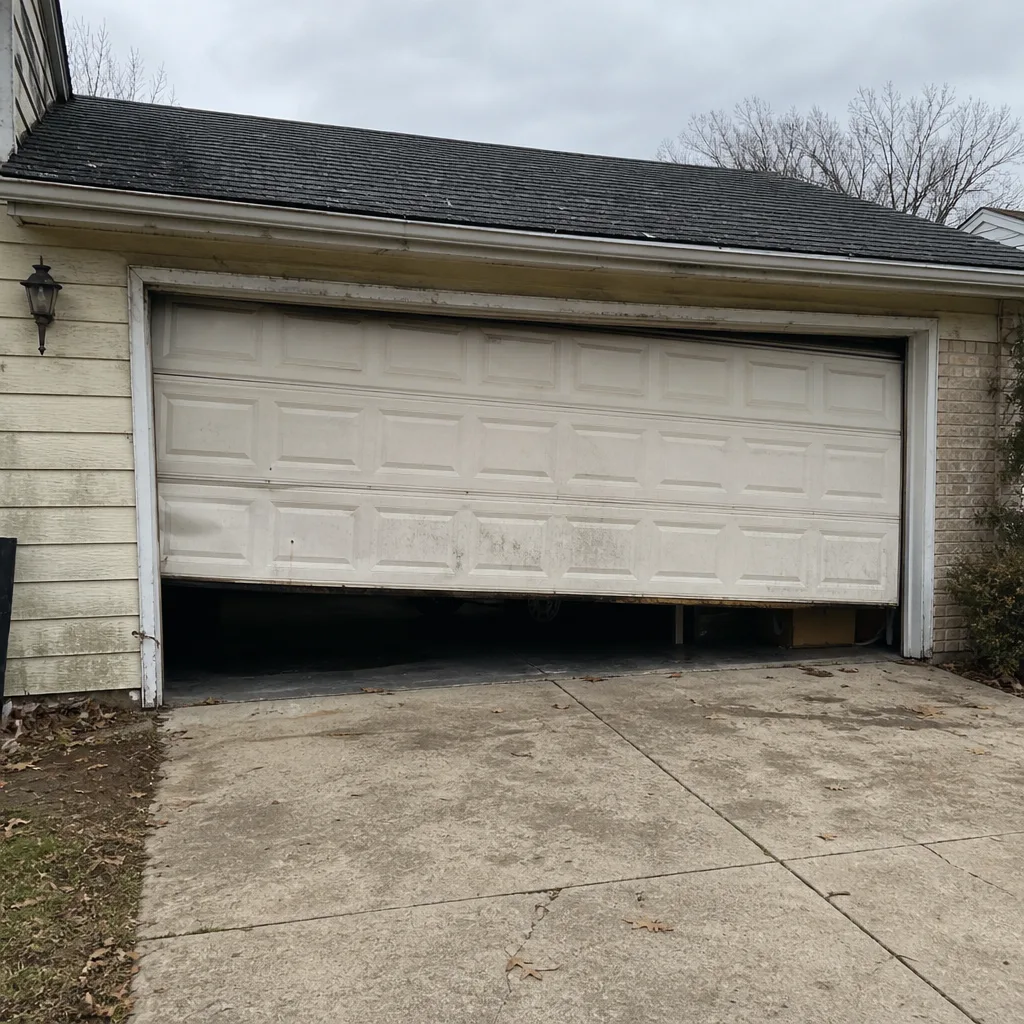 Before
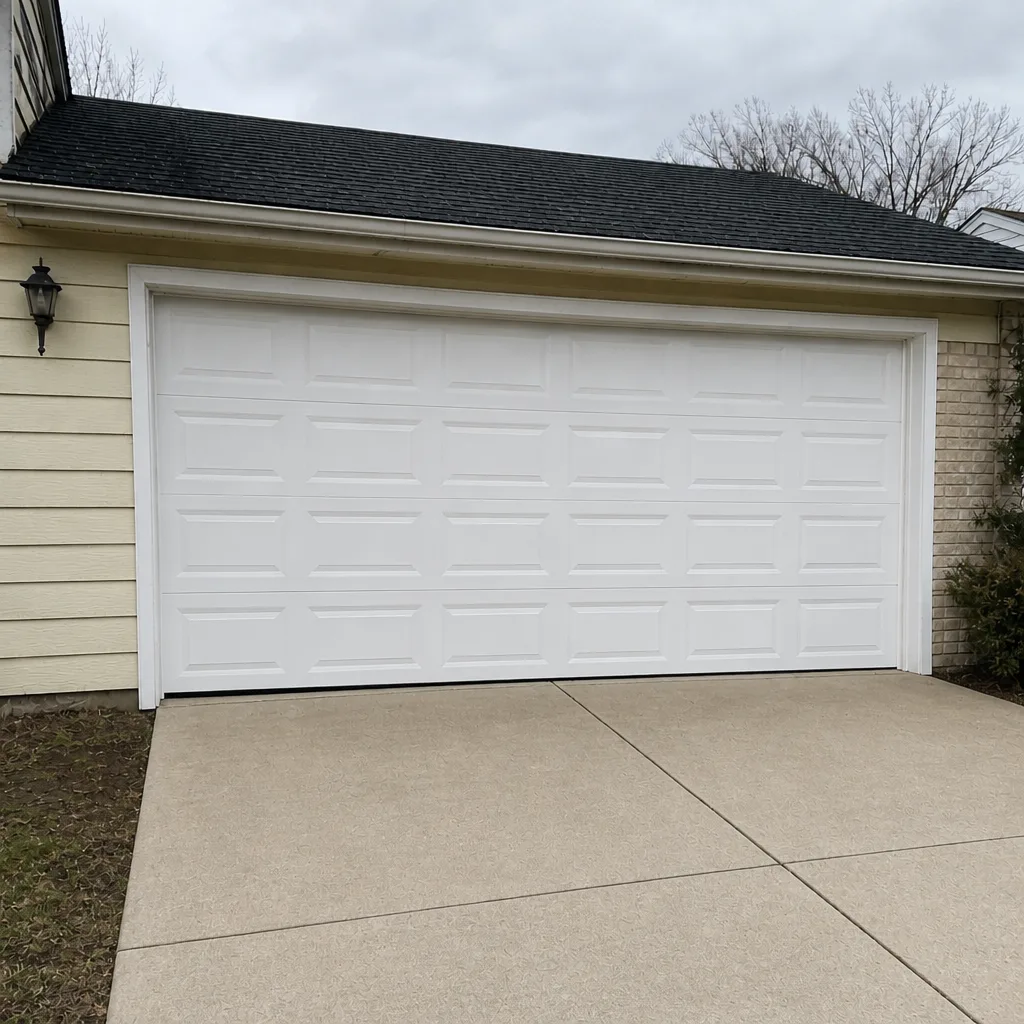 After
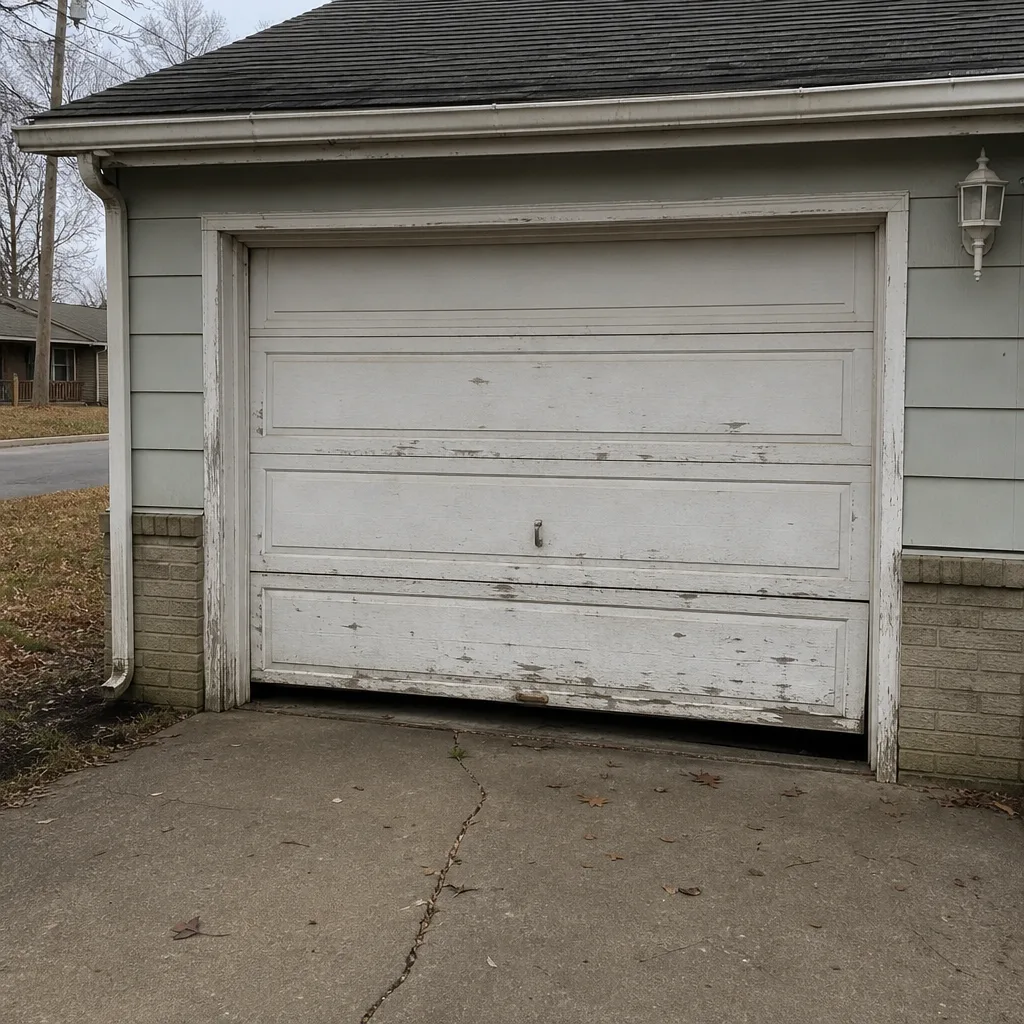 Before
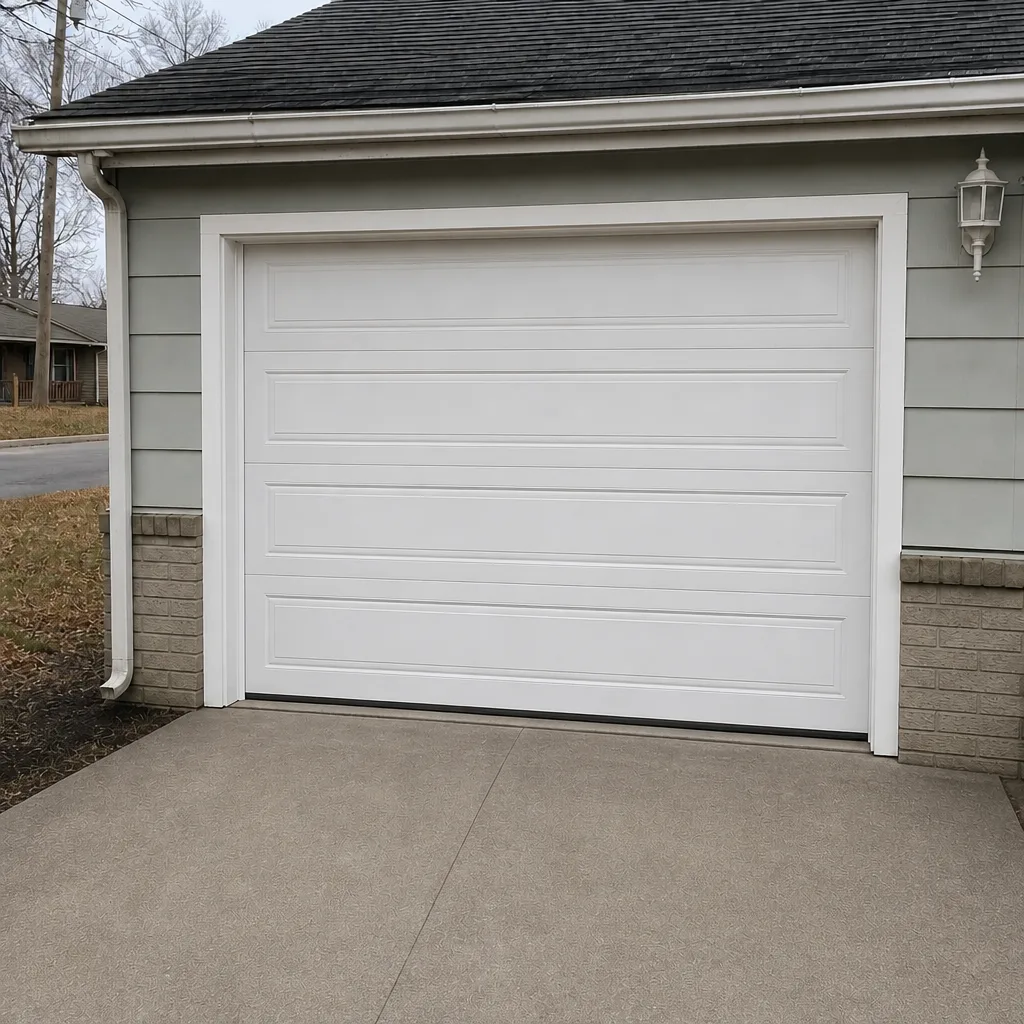 After
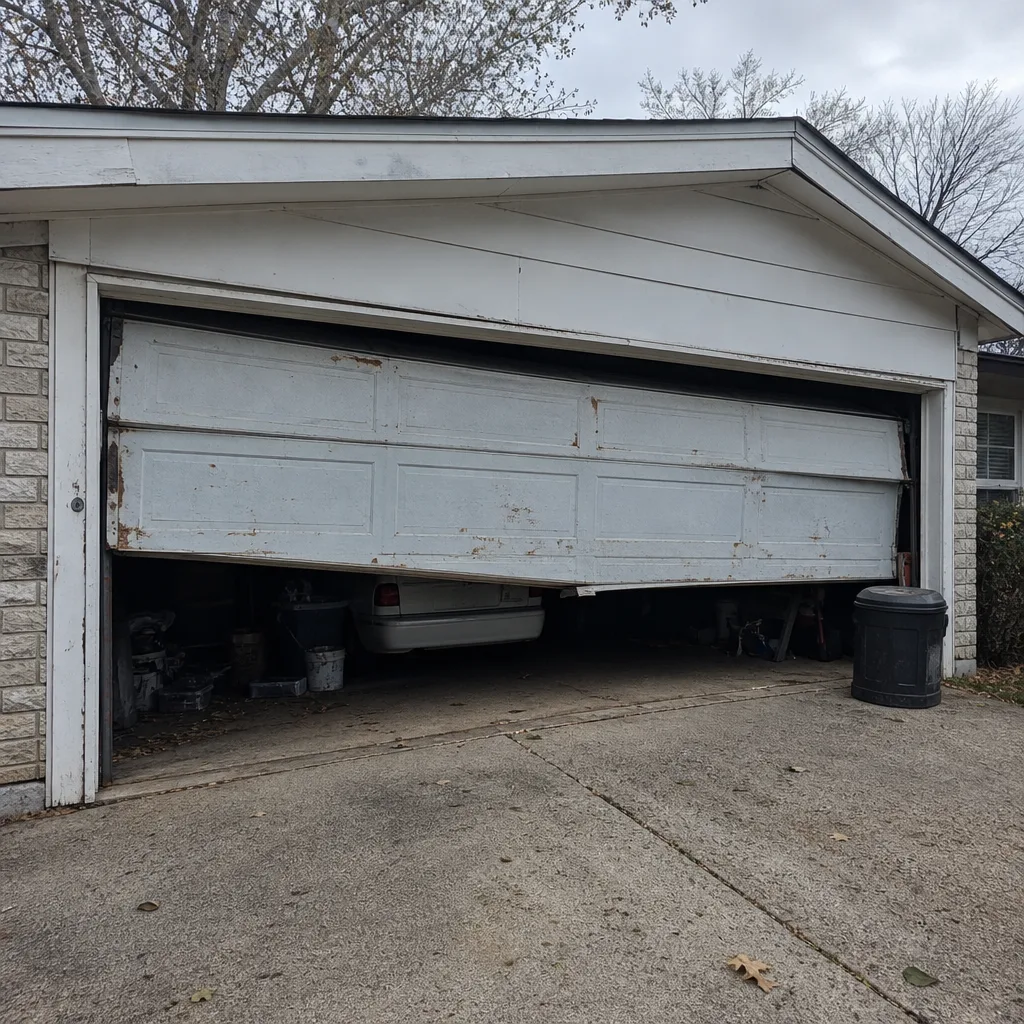 Before
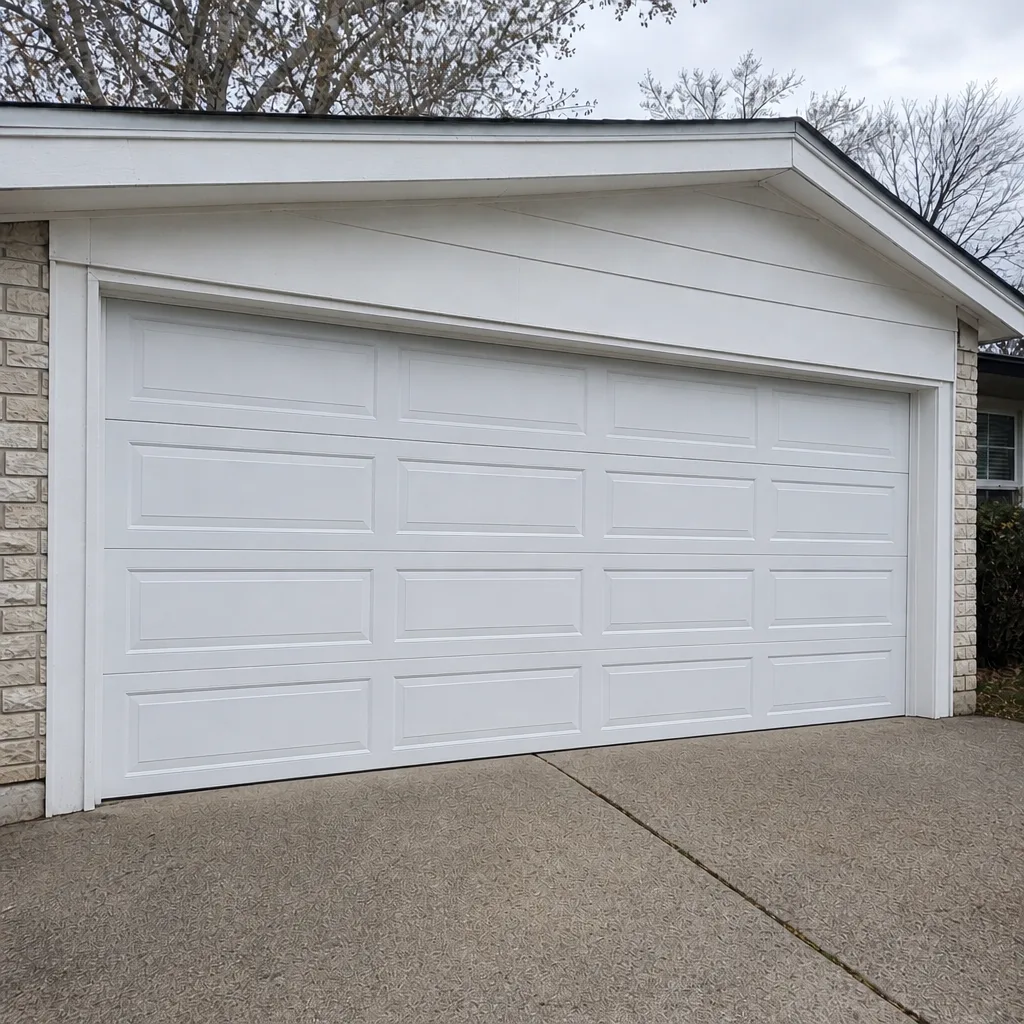 After
When to Call a Professional
Some brand comparisons are decisions you can make with a spec sheet in front of you. Others need a technician on site. Call a professional when springs are involved in any way, when the opener has failed and you’re not sure whether it’s the board, the sensor, or the door itself, when the door is binding or out of balance, when panels or tracks have taken an impact, and when you’re choosing a replacement and want an honest read on whether the existing door can be repaired instead. High-tension spring work is the highest-risk job on a residential door and belongs to someone trained on your brand. Garage Door Repair Princeton Heights offers free estimates in Princeton Heights. Call (855) 799-9554. We answer 24/7. Fast dispatch from 7am to 7pm, Sunday through Friday.
Frequently Asked Questions
There’s no single best brand, but Clopay and Amarr give Princeton Heights buyers the widest range of insulated residential models with parts widely stocked in the St. Louis metro, and LiftMaster and Chamberlain lead on opener electronics with strong local parts support. The right brand for your home depends on warranty structure, parts availability for the specific model, and how your garage is used. Call (855) 799-9554 for a free estimate and a brand recommendation tied to your door.
Because parts availability differs by brand and model, not by how good the door is. Brands with strong metro-area distributor networks can often be repaired the same day, while other models can sit for five to seven days waiting on a torsion component. Before you buy, ask how a torsion spring for that model would be sourced in two years. Call (855) 799-9554 if your door is down and you need an availability read.
No. A lifetime warranty usually covers panels for the life of the door, with shorter durations for hardware and springs, and labor is often not covered at all. The spring and hardware tiers are where most real claims happen, so read those and confirm who honors the labor portion. We can walk you through the exclusions on any brand before you buy: call (855) 799-9554, and the estimate is free.
It matters, but the center-of-panel number is not the whole story. Actual performance depends on how the panels are built, whether the door is sealed around the perimeter, and whether the garage above is insulated. In Missouri’s humid summers and cold winters, good perimeter seals matter as much as the printed R-value, and matching insulation to how you use the garage matters more than picking the highest number. Call (855) 799-9554 for an honest read on what fits your garage.
Ask the installer to show you the door level, balanced, and tuned: it should stay where you leave it midway through its travel, and the opener’s safety reverse should be confirmed working against the actual door weight. Missing that balance and travel process is where bad installs show up, on any brand. If you’re planning a new door, request a written process walkthrough along with your free estimate.
Most brand-name openers can be repaired. Sensors, boards, and remotes fail well before the mechanical drive does, and those are fixes, not replacements. The exception is an opener seriously mismatched to the door’s weight or an obsolete model with unavailable parts. Call (855) 799-9554 and we’ll diagnose the actual fault before recommending anything.
The Bottom Line
Brand selection for a Princeton Heights garage door comes down to three things: how the warranty pays out when a claim actually lands, whether the parts for that specific model are available in the St. Louis metro when something fails, and whether the steel gauge and insulation match how you use the garage and Missouri’s climate swing. The logo on the panel is the last thing to compare. Match brand to these three conditions, then put your real weight on the installation, because a good door installed properly will outlast a premium door installed poorly. Fix the actual failure where a repair makes sense, and replace only when replacement is the honest answer.
Contact Us
If you’re choosing a door or dealing with a failure on the one you have, we can help you sort out brand, parts, and repair in one conversation. Our technicians work on eight major brands every week, handle spring work as a core service, and source parts directly so your timeline stays short. Call (855) 799-9554 for a free estimate. We answer 24/7, with fast dispatch from 7am to 7pm, Sunday through Friday.
Written by the team at Garage Door Repair Princeton Heights.