
Last updated November 21, 2026
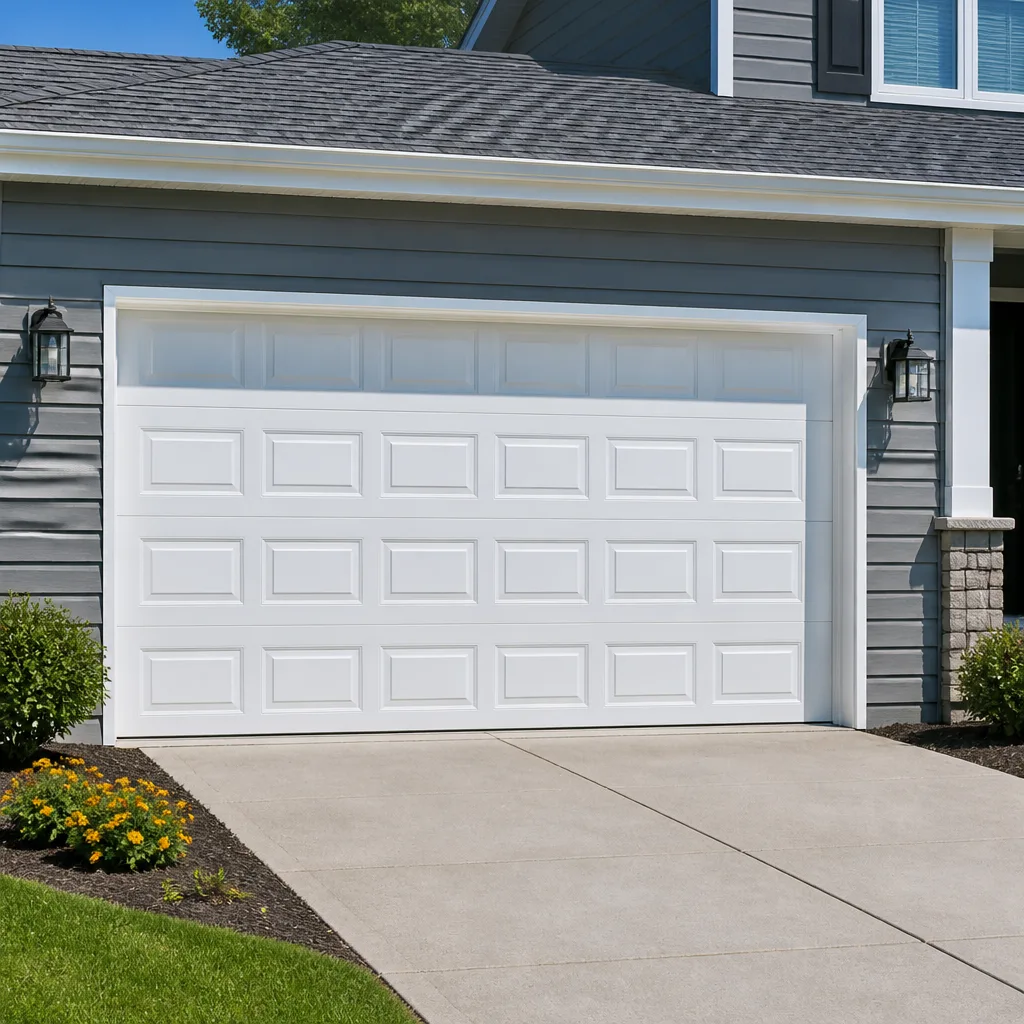 Raised-panel steel
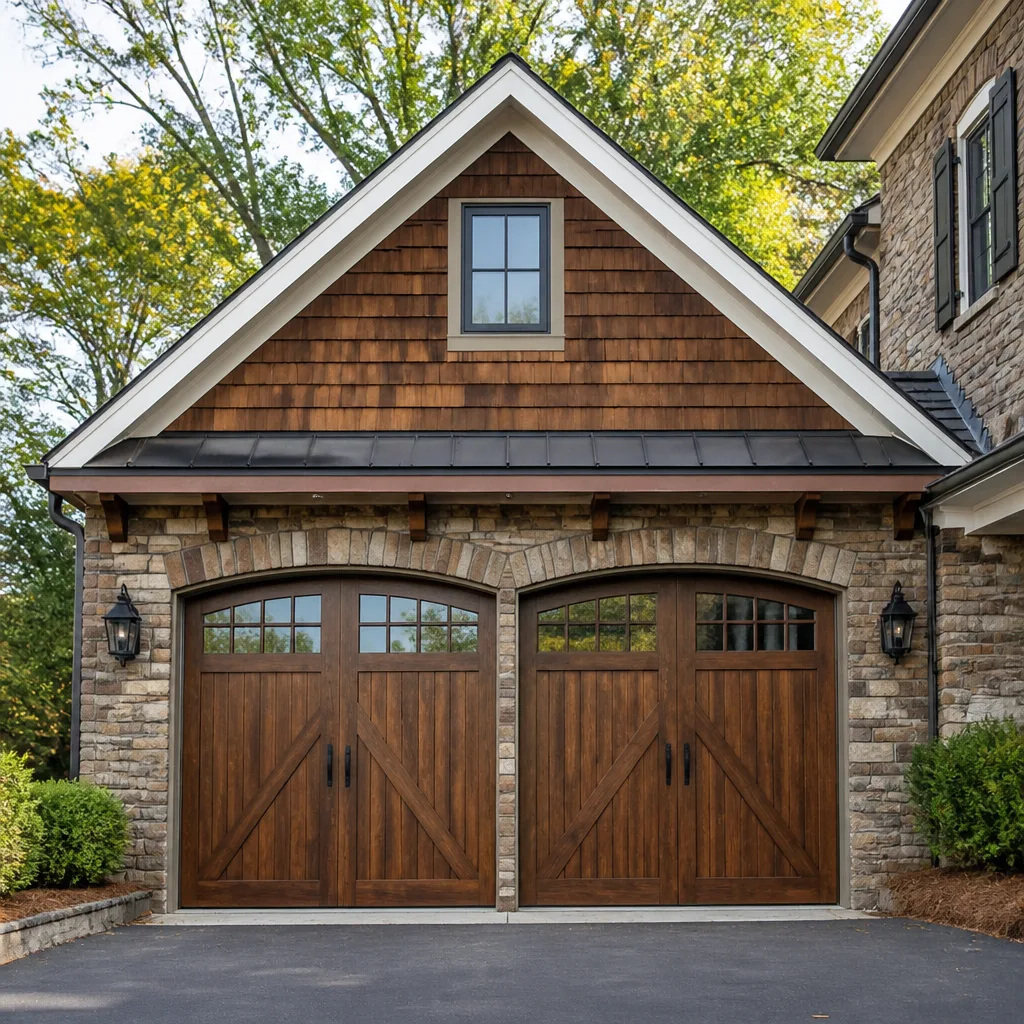 Carriage house
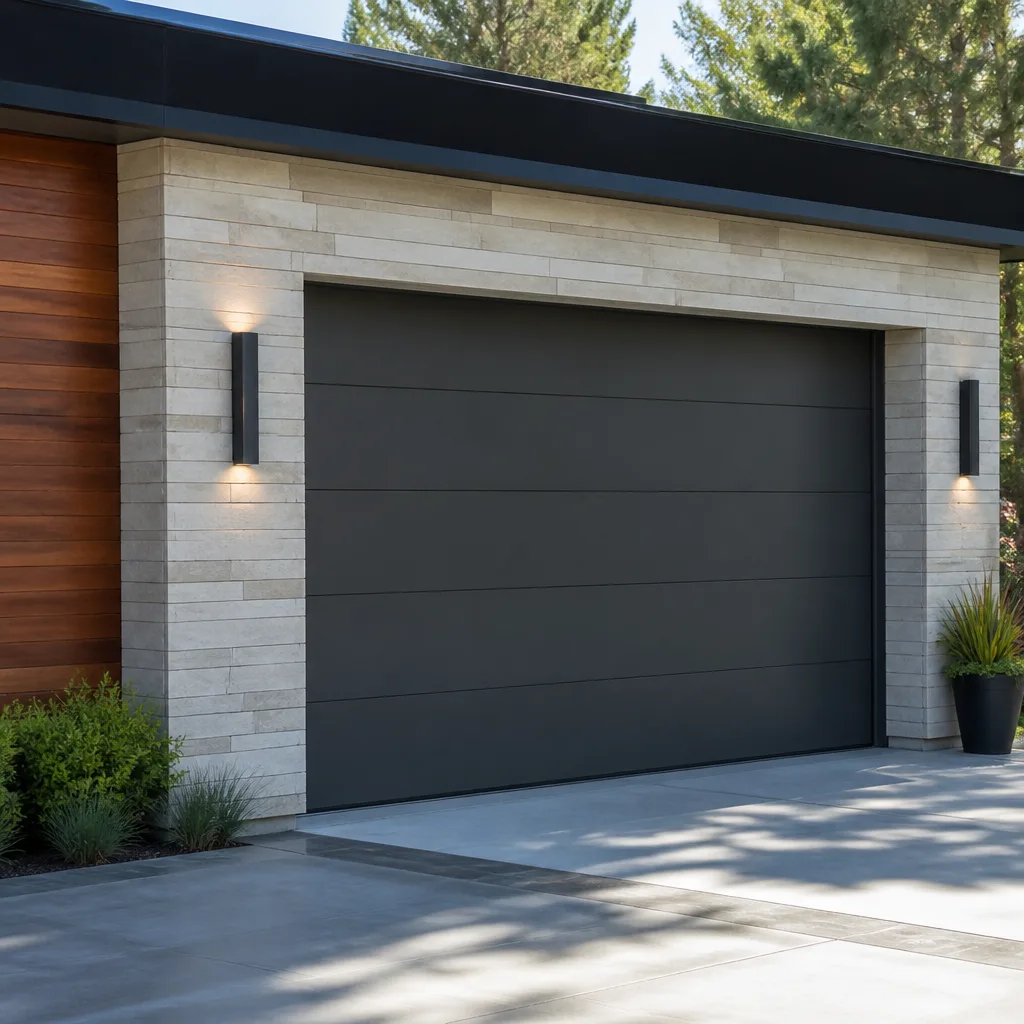 Modern flush
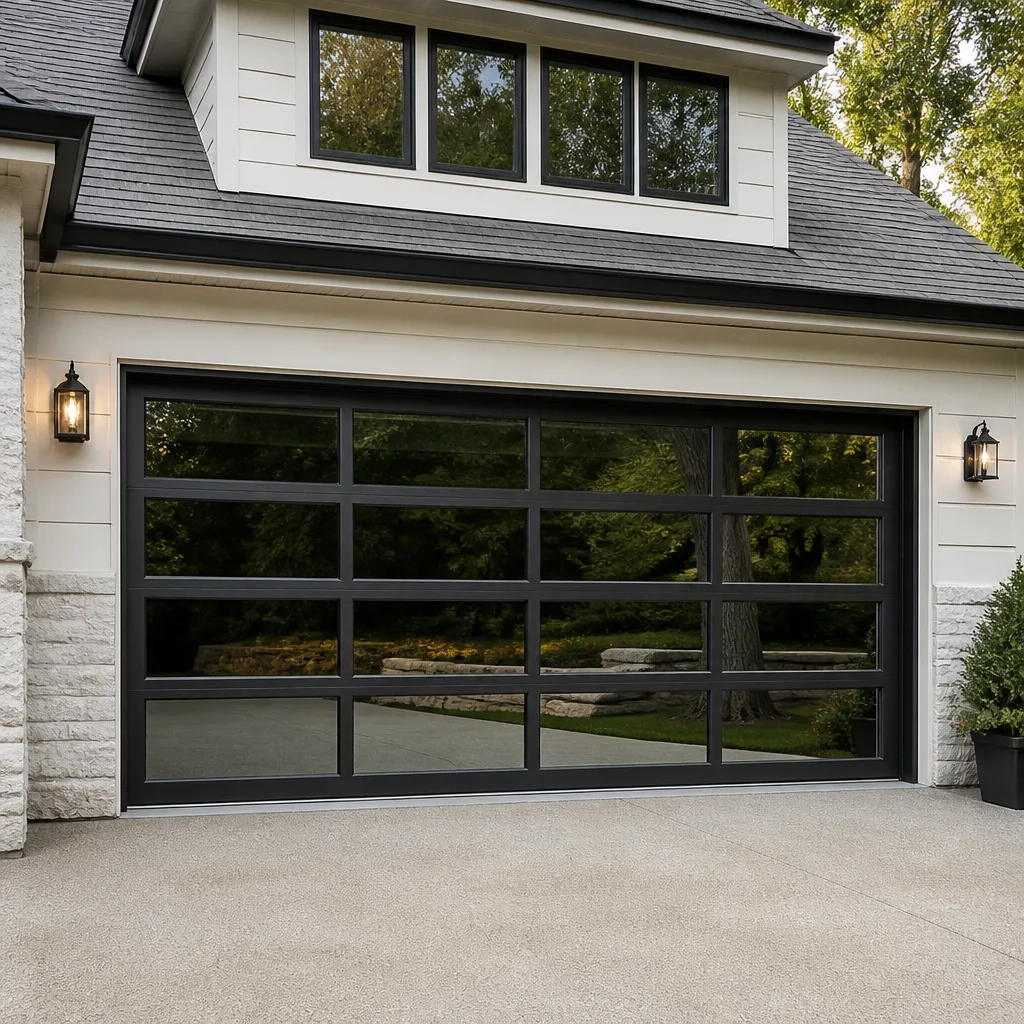 Full-view glass
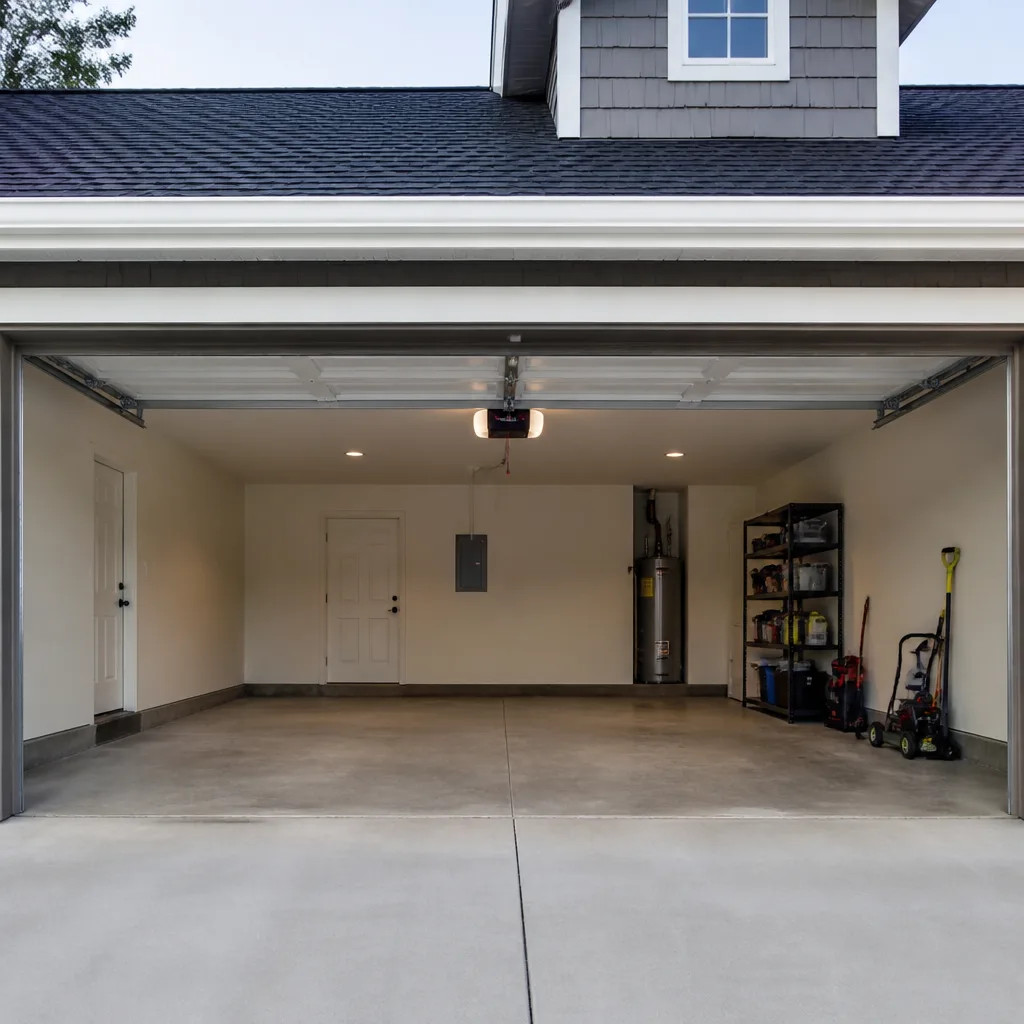 LiftMaster openers
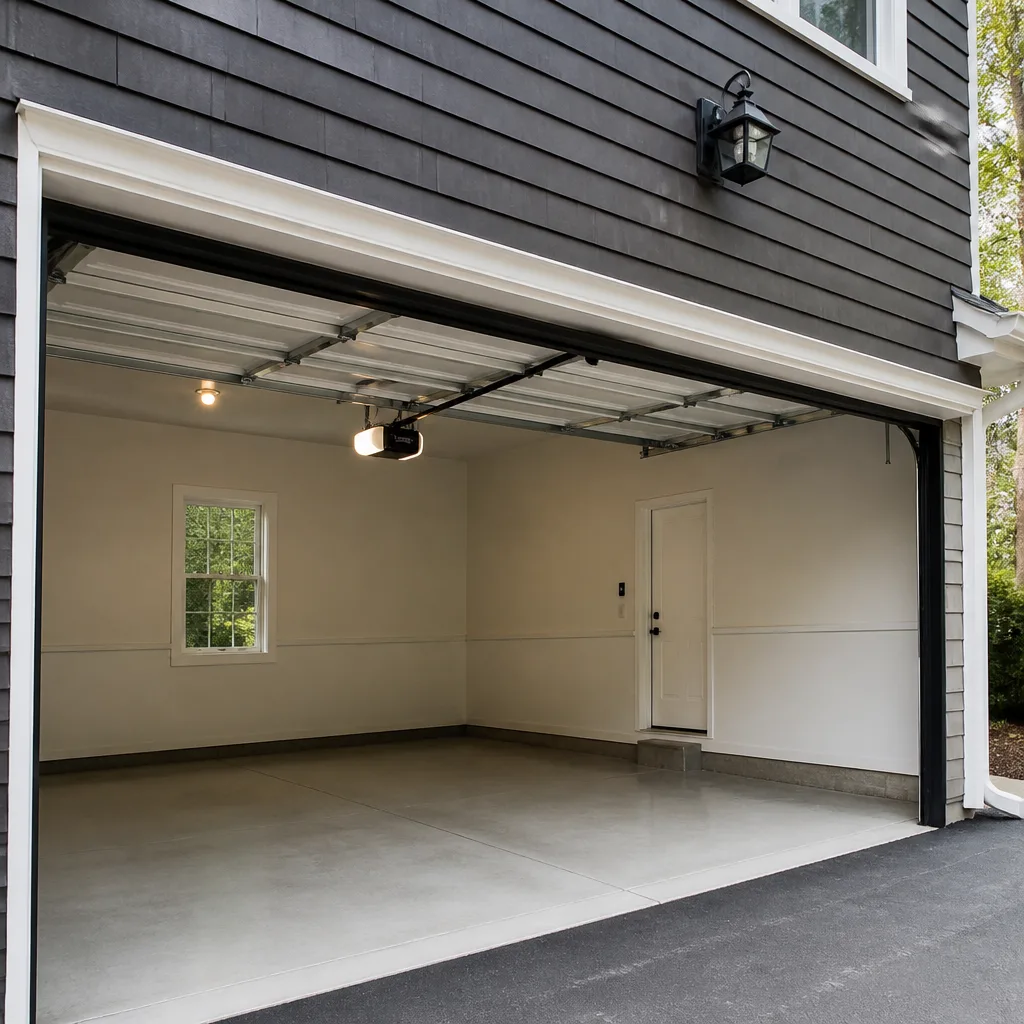 Chamberlain openers
Full 25-point door and opener safety check with every visit - springs, cables, rollers, tracks, and your LiftMaster or Chamberlain opener included
You get a price before we start. It does not change when the pro arrives.
Get your free estimateHow to Hire a Garage Door Contractor in Princeton Heights: A Step-by-Step Guide
A contractor who quotes you a new spring over the phone without asking about your door weight, track radius, or winding cone configuration doesn’t actually know how to do the job. That’s the first filter, and most homeowners don’t know to apply it. Hiring advice usually stops at “check reviews and get three quotes,” which tells you almost nothing about whether the person at your door understands torsion math or just owns a wrench set. This guide walks you through the questions that separate a garage door specialist from a generalist with a parts account, how to read a quote line by line, and what credentials actually matter for garage door work in Princeton Heights.
Quick Answer
Hire a garage door contractor in Princeton Heights by asking three technical questions (door weight, track radius, and winding cone type), confirming the company specializes in garage doors rather than general handyman work, and reading the written quote line by line before any work begins. A real specialist answers those questions without hesitation and puts the price in writing before touching your door. Generalists dodge the questions and quote over the phone.
Styles & brands we work with
- Raised-panel steel
- Carriage house
- Modern flush
- Full-view glass
- LiftMaster openers
- Chamberlain openers
Table of Contents
- The Three Questions That Reveal a Real Specialist
- Why “Licensed and Insured” Means Almost Nothing in Missouri
- What Credentials Actually Matter for Garage Door Work
- How to Read a Repair Quote Line by Line
- Diagnostic Fee vs. Service Call Fee: Why the Difference Costs You Money
- Why the Cheapest Spring Quote Is Often the Most Expensive Outcome
- Brand Knowledge: What It Signals About Technical Depth
- A Step-by-Step Hiring Process
The Three Questions That Reveal a Real Specialist
When you call a garage door company in Princeton Heights, the person who answers should be able to talk about your door’s mechanics before anyone schedules a visit. The three questions below work as a fast filter. Ask them casually during the first phone call and listen for whether the answers are specific or vague.
- “What’s the approximate weight of my door?” A specialist knows that a double-car steel door weighs considerably more than a single-car door, and that spring sizing depends on door weight plus cycle life. Someone who says “we’ll figure it out when we get there” hasn’t thought about spring matching.
- “What’s the track radius on my setup?” Track radius determines how the door travels through the curve. A standard 12-inch radius track behaves differently from a 15-inch high-lift or a low-headroom setup. Technicians who work on Amarr and Wayne Dalton doors deal with radius variations constantly and should answer without pausing.
- “What kind of winding cone does my torsion system use?” Torsion springs have specific winding cone configurations, and the cone determines how the spring is tensioned. A generalist won’t know what a winding cone is. A specialist will describe it in plain language and tell you why it matters for safety.
You don’t need to know the answers yourself. You’re listening for how the contractor responds. Confidence plus specific language is a good sign. Deflection, guessing, or “we’ll see when we get there” is a warning. In our experience, the contractors who can answer these three questions are also the ones who diagnose before they quote.
Why “Licensed and Insured” Means Almost Nothing in Missouri
“Licensed and insured” gets repeated on every contractor’s website, but for garage door work in Missouri it tells you less than you’d think. Missouri doesn’t issue a statewide garage door contractor license, and many municipalities handle contractor registration locally rather than through a dedicated garage door trade license. That means the phrase can mean anything from “fully vetted” to “has a business license and a general liability policy.”
Insurance matters, and you should still confirm it. But insurance protects you if something goes wrong on your property; it says nothing about whether the person knows how to tension a torsion spring correctly. The two are different questions.
Here’s what to actually verify when you hire in Princeton Heights:
- Specialization: Ask what percentage of their work is garage doors. A company that does 90% garage doors and 10% other work has different depth than a handyman outfit that adds garage doors to a long list.
- Insurance certificate: Ask for a certificate of insurance and confirm it’s current. This is reasonable to request and a professional won’t balk.
- Spring experience specifically: Torsion and extension spring work is one of the most dangerous repairs in the trade. Ask how they handle spring jobs, whether that work is in-house, and whether they use matched pairs.
- Parts sourcing: Ask whether they can source specific parts for your door or opener brand, or whether they’d have to order from a third party and come back. Direct parts access shortens the job considerably.
- Written estimate before work: Confirm they will put the price in writing before starting. A verbal estimate that changes after the door is open is a common complaint.
The point isn’t that credentials are worthless. It’s that they’re table stakes, not the deciding factor. Technical competence is what you’re really evaluating.
What Credentials Actually Matter for Garage Door Work
The credentials worth checking for a garage door contractor in Princeton Heights are about the work itself, not the paperwork on the wall. Here’s what actually signals competence:
Brand-specific experience. The garage door industry has a handful of dominant manufacturers, and each system has quirks. LiftMaster and Chamberlain openers share a design lineage in some models, Genie openers have their own logic board conventions, and Craftsman openers use a control scheme that differs from modern Wi-Fi-connected systems. Door brands have their own tolerances too: Clopay doors have specific panel configurations, Raynor systems have their own spring housing conventions, and Amarr and Wayne Dalton products show up in lots of Princeton Heights homes with their own hardware. A contractor who works across several of these brands will diagnose faster than one who only knows one line.
Legacy and modern opener coverage. Ask whether they work on both older openers and current smart-home-connected systems. An opener tech who only handles new Wi-Fi systems will struggle with a 15-year-old chain drive, and the reverse is true as well.
In-house spring work. Springs are the most dangerous part of the job. Ask whether spring replacement is done in-house or referred out. A company that handles torsion and extension spring work directly has depth that a referral-based operation doesn’t.
Full lifecycle coverage. Ask whether they can do opener repair, door repair, new door installation, and parts supply. If they can, you won’t need to shop around when a repair turns into a replacement decision. If they only install, they may push you toward a new door when a repair would have worked.
Parts access. Can they source the specific part your door needs without ordering from a third party? That directly affects how long you wait and what the job costs.
For a broader look at what a repair visit typically covers, see our page on garage door repair, which walks through the diagnostic process from the first visit.
How to Read a Repair Quote Line by Line
A garage door quote should list what’s being replaced or repaired, part grades, labor, and the total. If it doesn’t, ask for one that does. Here’s how to read a quote so you can spot padding before you sign.
What a clean quote looks like
A clean quote has line items with specific parts and specific labor. It names the spring size and cycle rating, the opener model if relevant, and the number of springs being replaced. It separates parts from labor. It tells you what’s included and what isn’t. It has a written total.
What padding looks like
- Vague line items: “Spring system repair – $X” with no part spec. Ask what spring size and cycle life is being quoted.
- Unnecessary parts: A broken spring doesn’t automatically mean new rollers, new cables, new bearings, and a new bottom seal. Some of those might be worth replacing while the door is open; some are upsells. Ask which items are required for safety and which are optional.
- Whole-door replacement pushed on a repairable door: A single failed spring or a dead opener is usually a repair, not a replacement. If the first recommendation is a new door, get a second opinion.
- Matched-pair quotes that bill one spring: Torsion systems usually have two springs, and they’re often replaced as a matched pair. If the quote says “one spring” but the door has two, ask why only one is being replaced. There are legitimate reasons to replace one spring, but the quote should explain them.
- “We’ll quote after we see it” with no upper range: Some jobs genuinely need eyes on them. But a company that won’t give even a range before showing up is leaving the final price open.
Ask for the quote in writing before any work starts. The written estimate is the price. If the scope changes once the door is open, the technician should tell you before proceeding, not after.
Diagnostic Fee vs. Service Call Fee: Why the Difference Costs You Money
A diagnostic fee is what you pay for the technician to figure out what’s wrong. A service call fee is what you pay for the visit itself, regardless of whether any work gets done. The two get conflated constantly, and that confusion is where homeowners lose money.
When you call around Princeton Heights for quotes, ask directly: “Is there a fee to come out and diagnose? Is that fee separate from the repair? Is the estimate free?” The answers tell you how the company structures its pricing.
Here’s the distinction that matters:
- A free estimate means the company comes out, diagnoses, and gives you a written price at no charge. You pay only if you approve the job.
- A diagnostic fee means you pay for the diagnosis whether or not you approve the repair. Some companies then credit that fee toward the repair; some don’t.
- A service call fee means you pay just for the visit, separate from both diagnosis and repair.
At Garage Door Repair Princeton Heights, estimates are free. The price is set per job by the written estimate, quoted and agreed before any work starts. That structure takes the guesswork out of whether you’re being charged to find out what’s wrong.
For a look at how opener-specific diagnostics work, our garage door opener repair page covers what a technician checks first when a door stops responding.
Why the Cheapest Spring Quote Is Often the Most Expensive Outcome
Torsion springs are graded by cycle life, which is roughly how many open-close cycles they’re rated to survive. A low-cycle spring costs less and wears out faster. A high-cycle spring costs more up front and lasts far longer. When two quotes come in far apart on a spring job, the difference is often the part grade, not the labor.
Here’s why the cheap quote often costs more over time:
- Part grade: Cheaper springs tend to be rated for fewer cycles. You’ll replace them sooner, and you’ll pay labor again.
- Single-spring replacement on a two-spring door: If the door has two springs and only one is replaced, the remaining spring is already worn and often fails not long after. The second visit costs more than doing both at once.
- Labor shortcuts: A fast spring job that skips checking cable tension, drum alignment, or bearing wear can leave the door operating unevenly. That leads to a second repair.
- Mismatched spring sizes: A spring that isn’t matched to the door’s weight and track radius will wear faster and put uneven load on the opener.
The right question isn’t “what’s the cheapest spring quote in Princeton Heights?” It’s “what spring grade and cycle life is this quote for, and are both springs being replaced?” Ask that, and the comparison becomes meaningful.
Spring repair is one of the most dangerous jobs in the trade. Torsion springs store enormous energy, and a spring under tension can cause serious injury if handled without the right tools and training. We don’t recommend attempting spring work yourself. Have a trained professional assess it.
Brand Knowledge: What It Signals About Technical Depth
A garage door and opener company’s brand knowledge tells you how broad its diagnostic range is. If a technician only works on one brand, they’ll be slower and less confident when your door is a different make.
Here’s what to ask about brand coverage:
- Door brands: Can they work on Clopay, Amarr, Wayne Dalton, and Raynor doors? Each has its own panel, track, and spring conventions.
- Opener brands: Can they diagnose LiftMaster, Chamberlain, Genie, and Craftsman openers? These are the dominant residential brands, and each has its own logic board, remote programming, and safety sensor conventions.
- Legacy vs. modern: Do they work on older chain-drive openers and current Wi-Fi-connected systems? A technician who knows both will diagnose correctly the first time.
- Parts availability: Can they source parts for your specific brand without ordering from a third party and coming back?
A company that specializes in garage doors and carries parts access for multiple brands can diagnose and fix in one visit more often than a generalist. That’s the practical benefit of brand range. It’s also why we keep working knowledge across LiftMaster, Chamberlain, Genie, Clopay, Amarr, Wayne Dalton, Craftsman, and Raynor systems.
If you’re weighing repair against replacement, our garage door installation page covers what a new door evaluation involves and when replacement actually makes sense.
A Step-by-Step Hiring Process
Here’s the process we recommend for hiring a garage door contractor in Princeton Heights, in order:
- Start with the three technical questions. Ask about door weight, track radius, and winding cone configuration on the first call. Listen for specific answers.
- Confirm specialization. Ask what percentage of their work is garage doors. A dedicated specialist will answer quickly.
- Ask about spring work directly. Confirm whether spring repair is in-house and whether they use matched pairs. Springs are the highest-risk repair and worth asking about specifically.
- Ask about fees. Confirm whether the estimate is free, whether there’s a diagnostic fee, and whether the price is set in writing before work starts.
- Ask about brand coverage. Confirm they work on your door and opener brands, and whether they can source the specific parts your system needs.
- Get the quote in writing. Review the line items. Ask which items are required for safety and which are optional. Ask about part grades on springs.
- Compare quotes on scope, not just price. Two quotes with different part grades or different spring counts aren’t the same job. Compare like with like.
- Confirm the price won’t change without your approval. Ask what happens if the scope changes once the door is open.
Most of this happens over the phone before anyone comes out. That’s the point. A few good questions filter out the generalists before you spend a day waiting for someone who can’t diagnose your door.
If your door stops working entirely, our Garage Door Repair Princeton Heights page covers what to do in the first hour of a failure.
Common Mistakes to Avoid
- Accepting a phone quote without any diagnostic questions. A contractor who quotes a spring replacement without asking about your door’s weight or spring configuration hasn’t done the math. That quote is a guess.
- Treating “licensed and insured” as the entire vetting process. Missouri doesn’t issue a dedicated garage door trade license, so the phrase covers a wide range. Ask about specialization, spring experience, and parts access instead.
- Comparing quotes without comparing part grades. A low-cycle spring quote and a high-cycle spring quote are different jobs. The price gap usually reflects the part, not the labor.
- Replacing one spring when both are worn. A two-spring door with one new spring and one worn spring will often need a second visit soon. Ask whether both should be replaced together.
- Skipping the written quote. A verbal estimate that changes after the work starts is a common complaint. Insist on a written estimate before work begins.
- Assuming a dead opener means a new opener. Opener failures are often logic board, sensor, or remote programming issues. Ask for a diagnostic before accepting a replacement recommendation.
- Hiring a generalist for spring work. Springs are the most dangerous repair in the trade. A handyman who hasn’t done hundreds of spring jobs doesn’t have the tools or the training for it.
See the difference
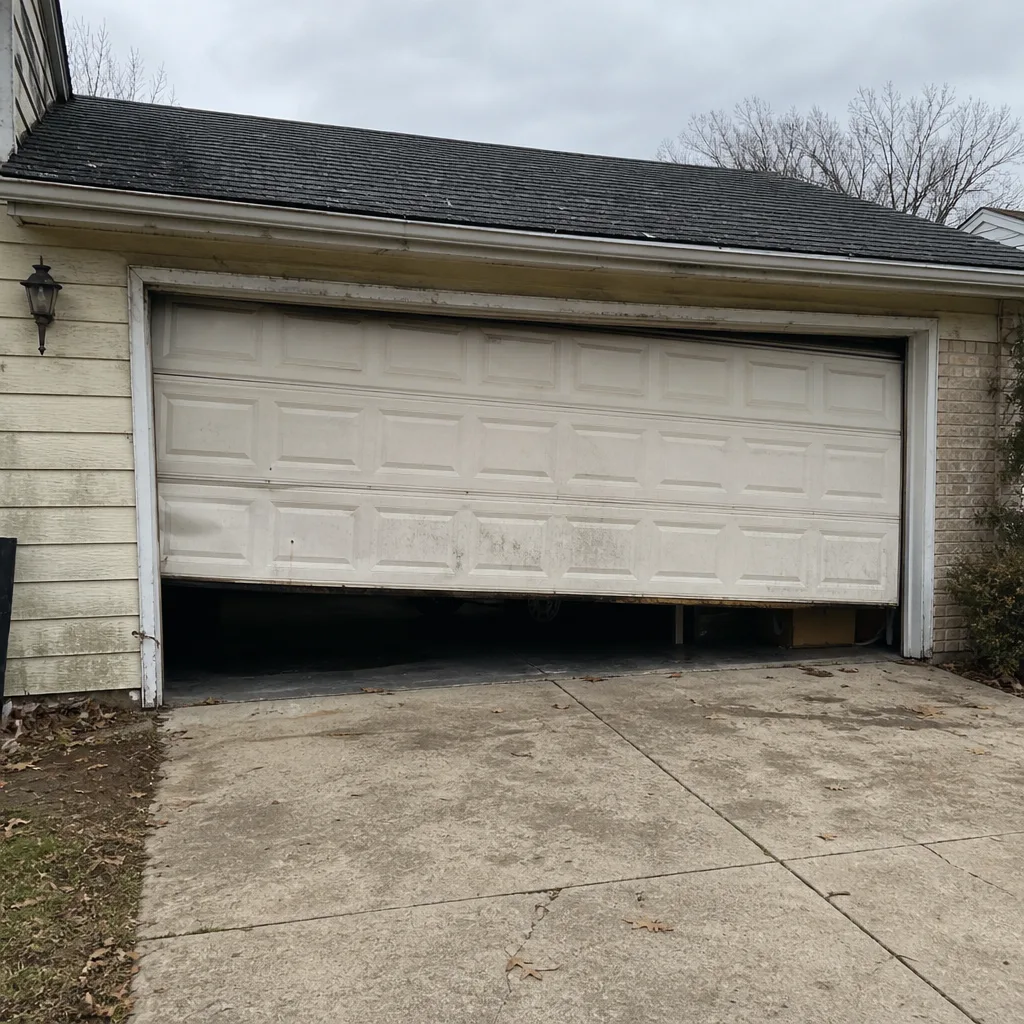 Before
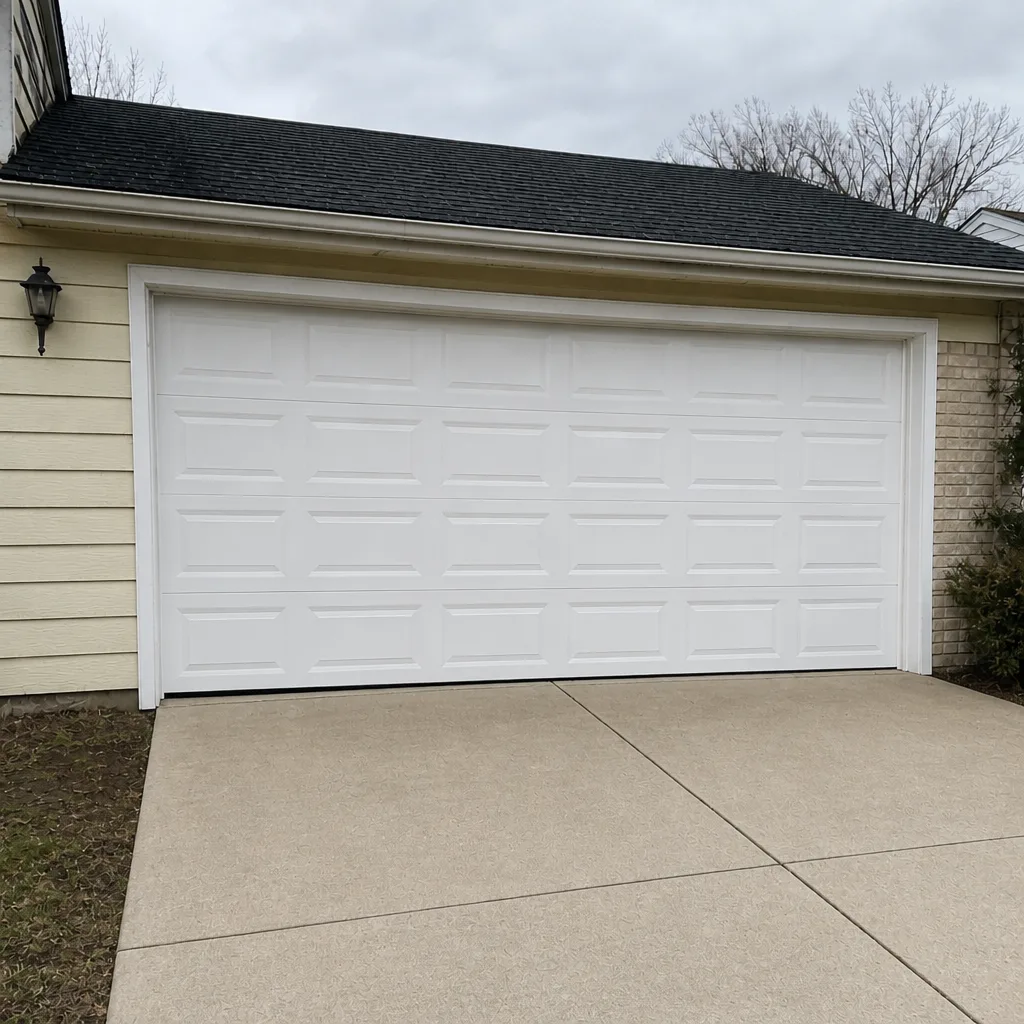 After
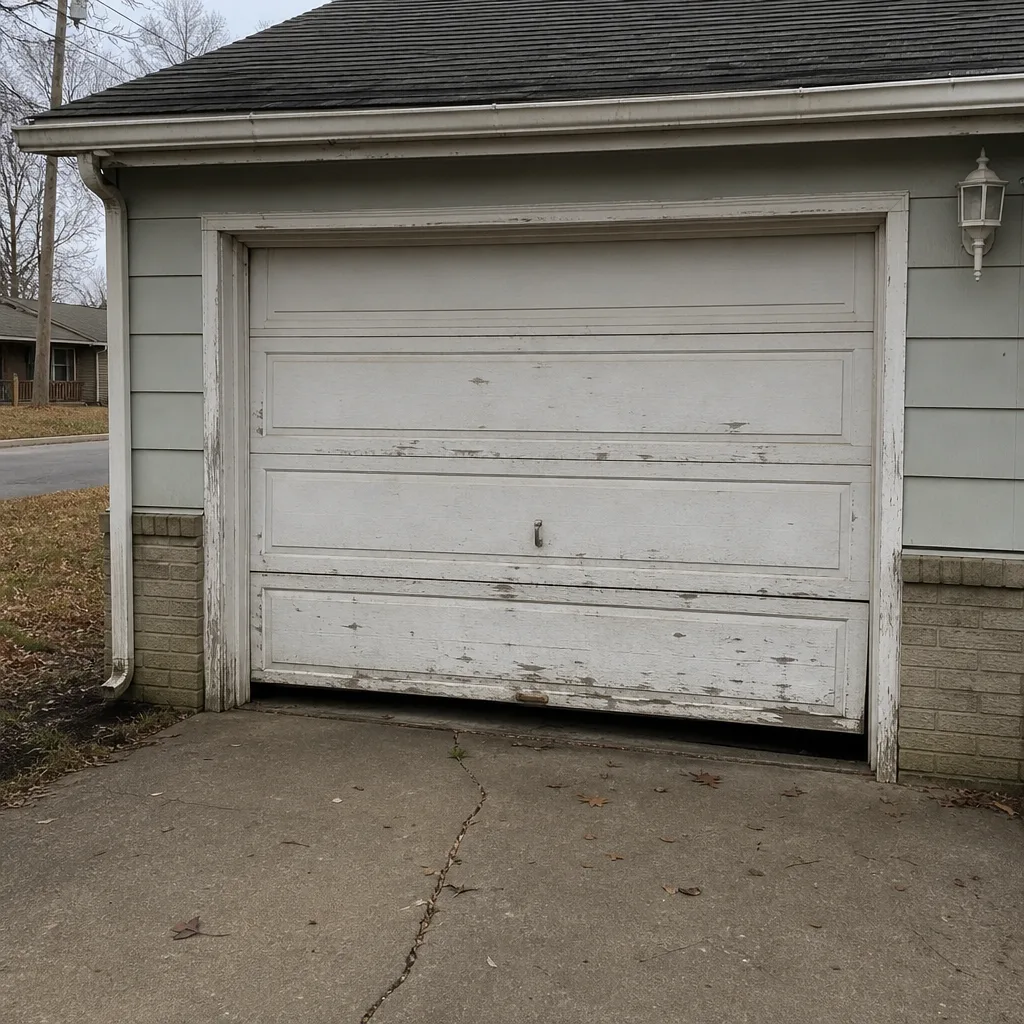 Before
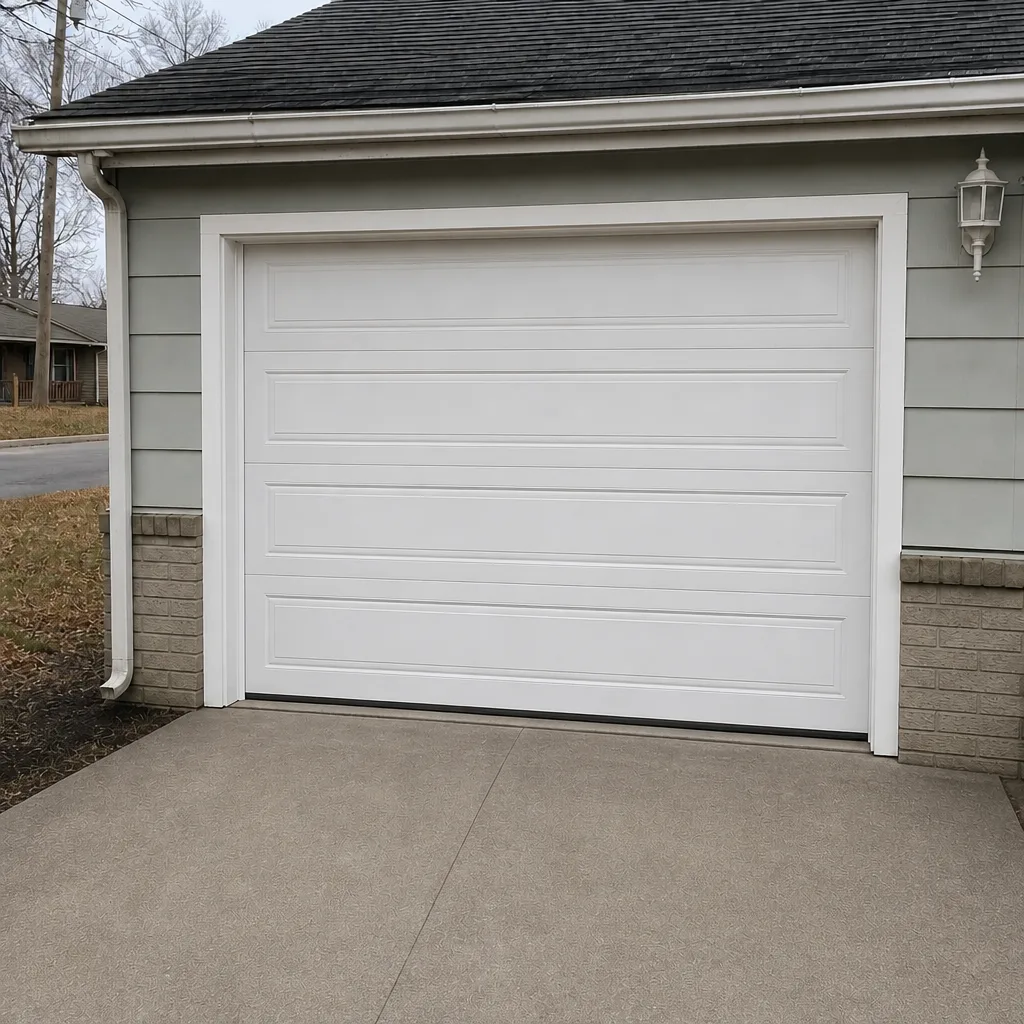 After
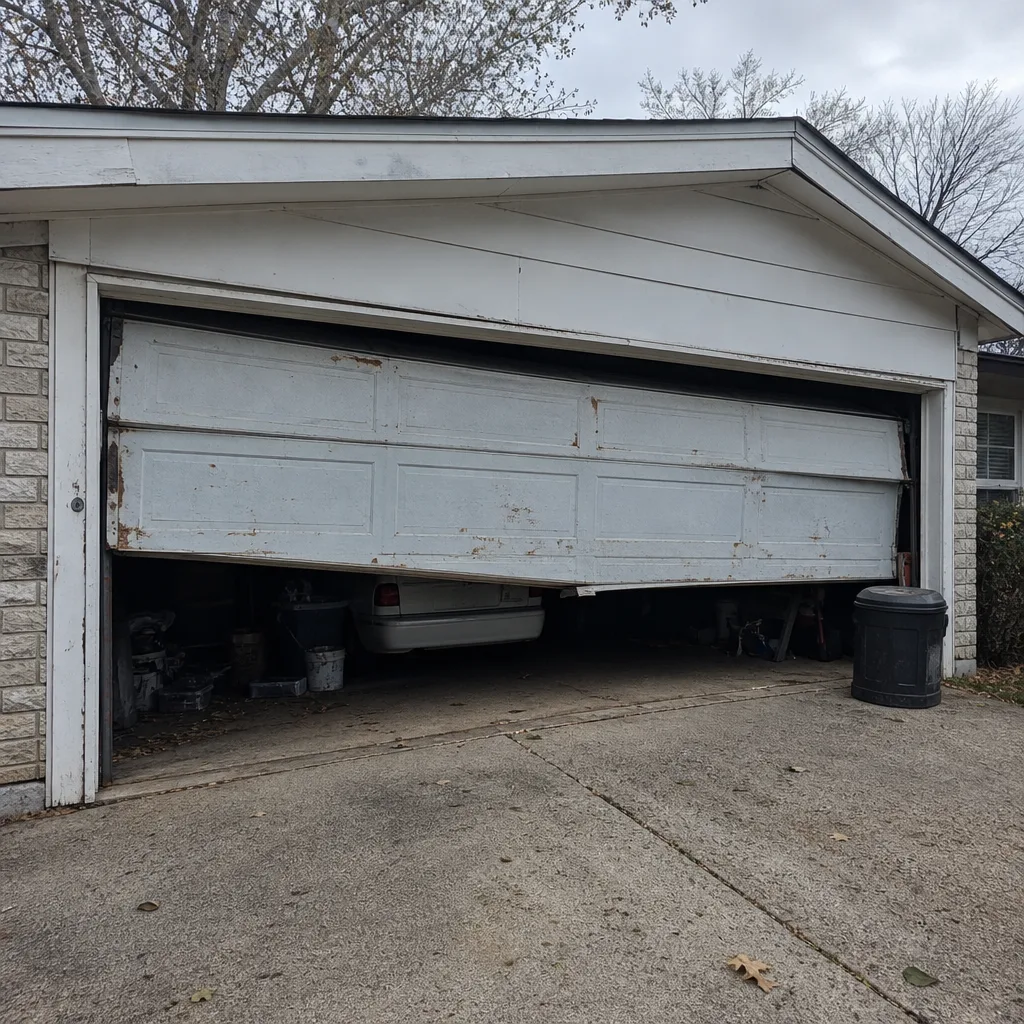 Before
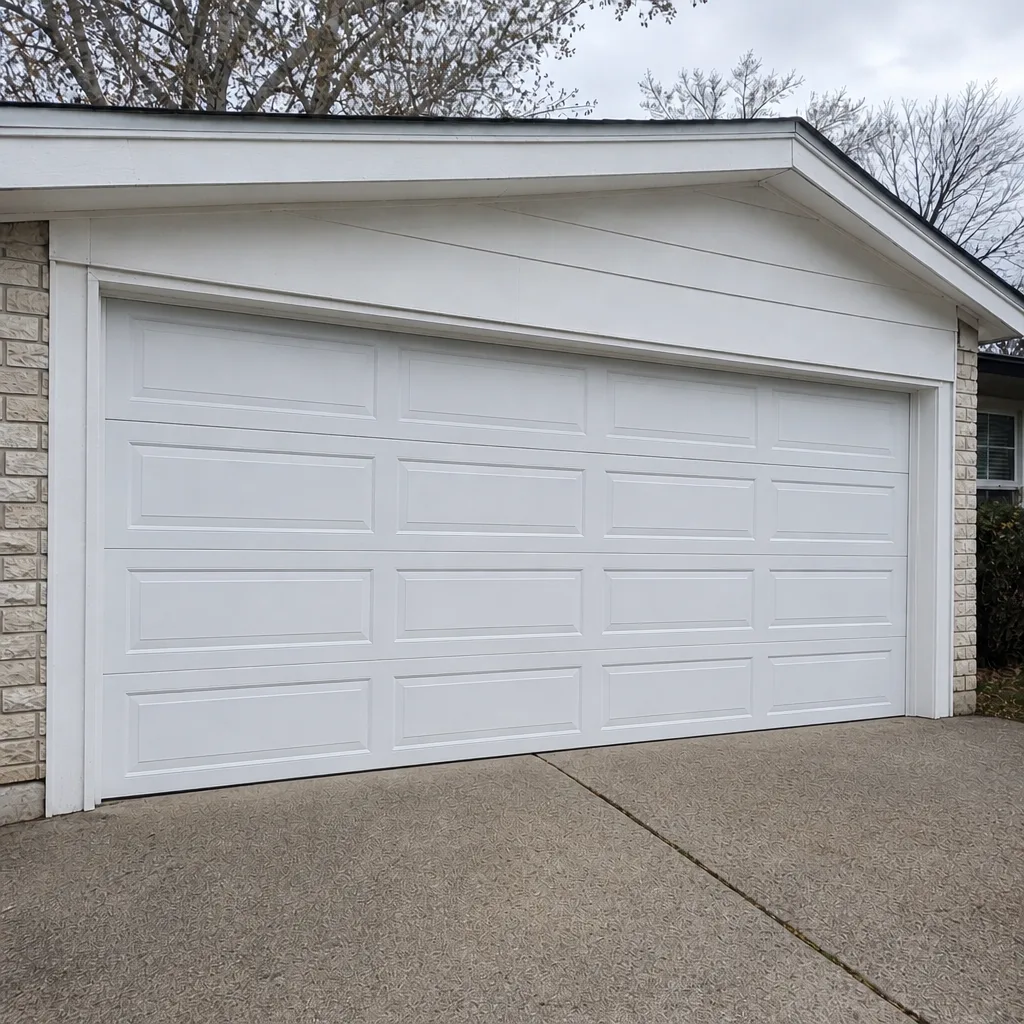 After
When to Call a Professional
Some garage door problems are worth a professional call even if the door is still moving. Call a specialist if you hear a loud bang from the spring area and the door stops opening, if the door goes up crooked or the cables look slack, if the opener runs but the door doesn’t move, if the door reverses before closing, or if you see a visible gap in a torsion spring. Any of these point to a mechanical failure that shouldn’t be diagnosed by trial and error. Spring work in particular is not a DIY job. Garage Door Repair Princeton Heights offers free estimates in Princeton Heights. Call (855) 799-9554. We answer 24/7. Fast dispatch from 7am to 7pm, Sunday through Friday.
Frequently Asked Questions
Spring repair pricing depends on the spring type, the cycle grade, and whether one or both springs are being replaced. A matched pair costs roughly twice a single spring. The written estimate sets the final price, and the technician should quote it before any work starts. Call (855) 799-9554 for an exact quote. Estimates are free.
For repair calls, fast dispatch is available from 7am to 7pm, Sunday through Friday, with same-day service in many cases. We answer 24/7. A call outside dispatch hours is booked into the next opening, Sunday through Friday, 7am to 7pm. Call (855) 799-9554 to check availability.
The written estimate is the price. If the scope changes once the door is open, the technician should tell you and get your approval before proceeding. You should never see a final invoice higher than the agreed estimate without a conversation first. Call (855) 799-9554 to schedule a free estimate.
The local professionals we connect you with are licensed and insured as their state requires. Missouri doesn’t issue a statewide garage door trade license, so ask any contractor for their insurance certificate and confirm it’s current. Our technicians have up to 11 years of experience. Call (855) 799-9554 for a free estimate.
Usually yes, if the door has two springs and both are the same age. The remaining spring has already done as much work as the broken one and is likely to fail soon. Replacing both at once costs less than two separate visits. Ask the technician to explain the reasoning for your specific door. Call (855) 799-9554 with questions.
Repair fixes the specific failed component, like a spring, cable, roller, or opener. Replacement makes sense when the door panels are damaged beyond repair, the hardware is failing across multiple components, or you’re changing the door’s style or insulation. A specialist should diagnose first and recommend replacement only when repair won’t hold. Call (855) 799-9554 for an honest assessment.
The Bottom Line
Hiring a garage door contractor in Princeton Heights comes down to three things: asking the right questions before anyone comes out, reading the quote line by line, and confirming the price is in writing before work starts. The three technical questions (door weight, track radius, winding cone type) filter out generalists fast. Comparing quotes on scope and part grade rather than headline price tells you which quote is actually cheaper. And confirming the fee structure (free estimate vs. diagnostic fee vs. service call fee) keeps you from paying to find out what’s wrong. A specialist answers all of this without hesitation. A generalist dodges.
If you’d rather skip the vetting process, call Garage Door Repair Princeton Heights at (855) 799-9554 for a free estimate. We answer 24/7. Fast dispatch from 7am to 7pm, Sunday through Friday.
Written by the team at Garage Door Repair Princeton Heights.