
Last updated November 21, 2026
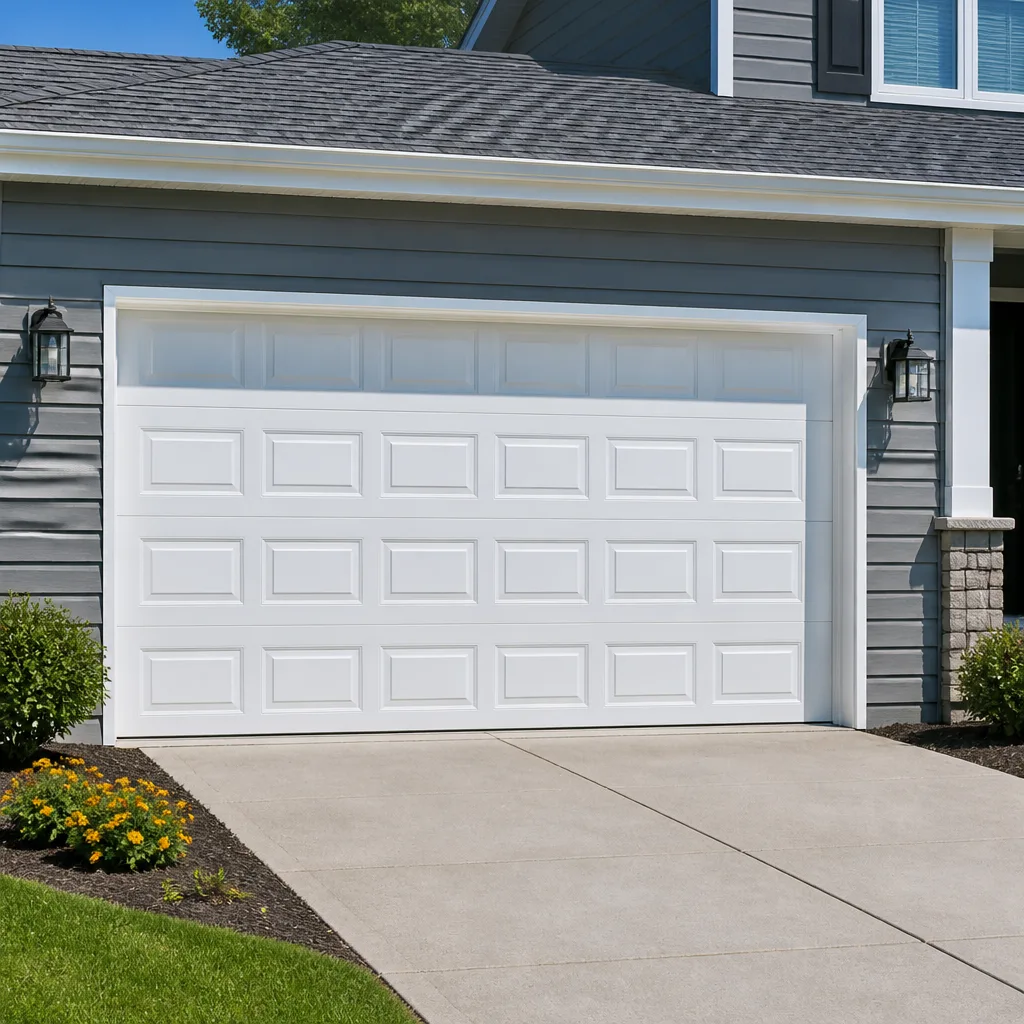 Raised-panel steel
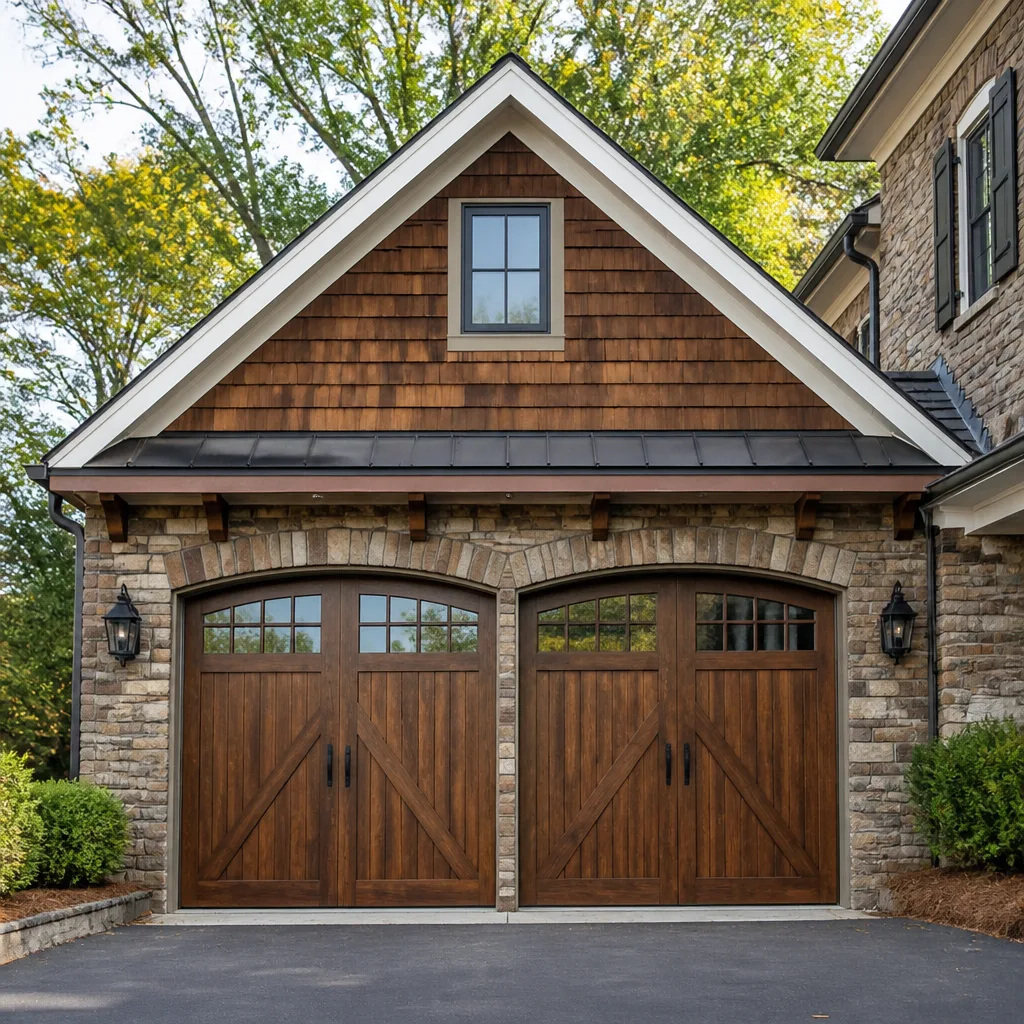 Carriage house
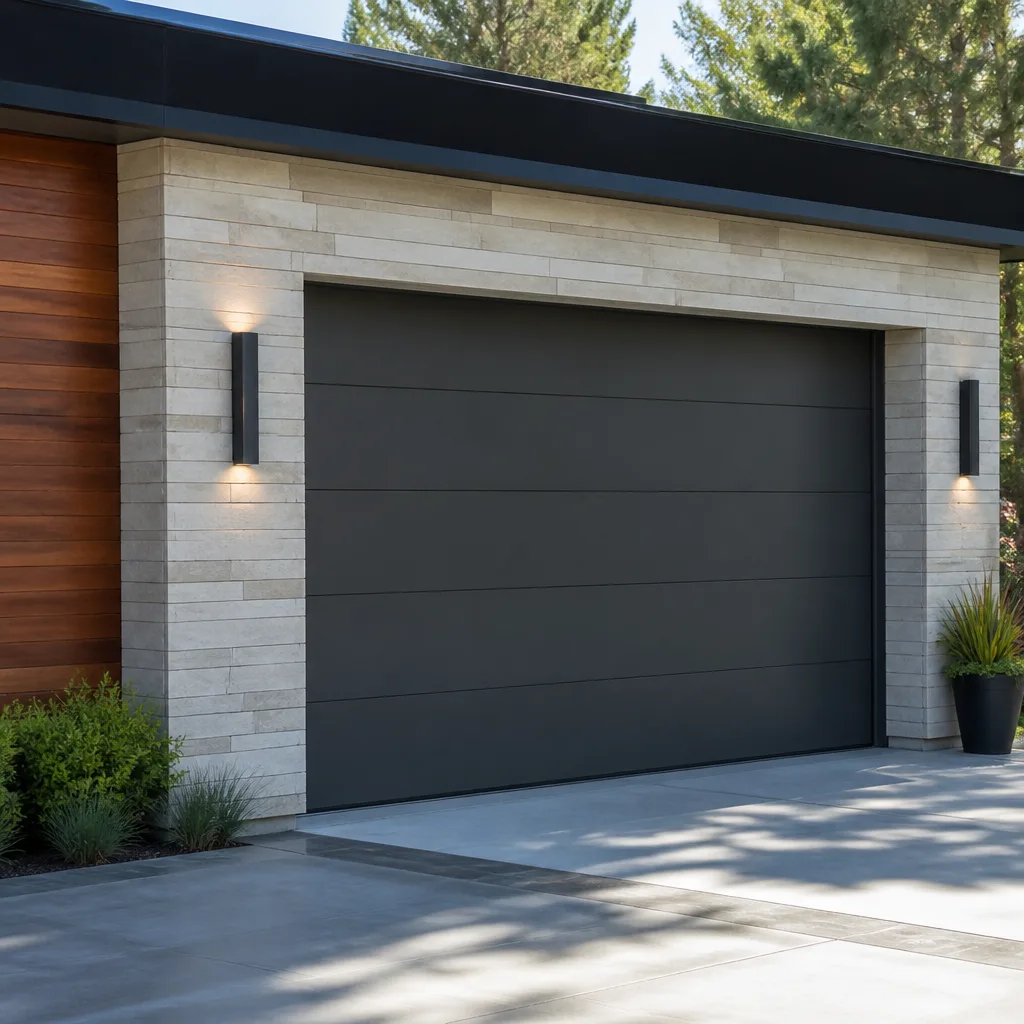 Modern flush
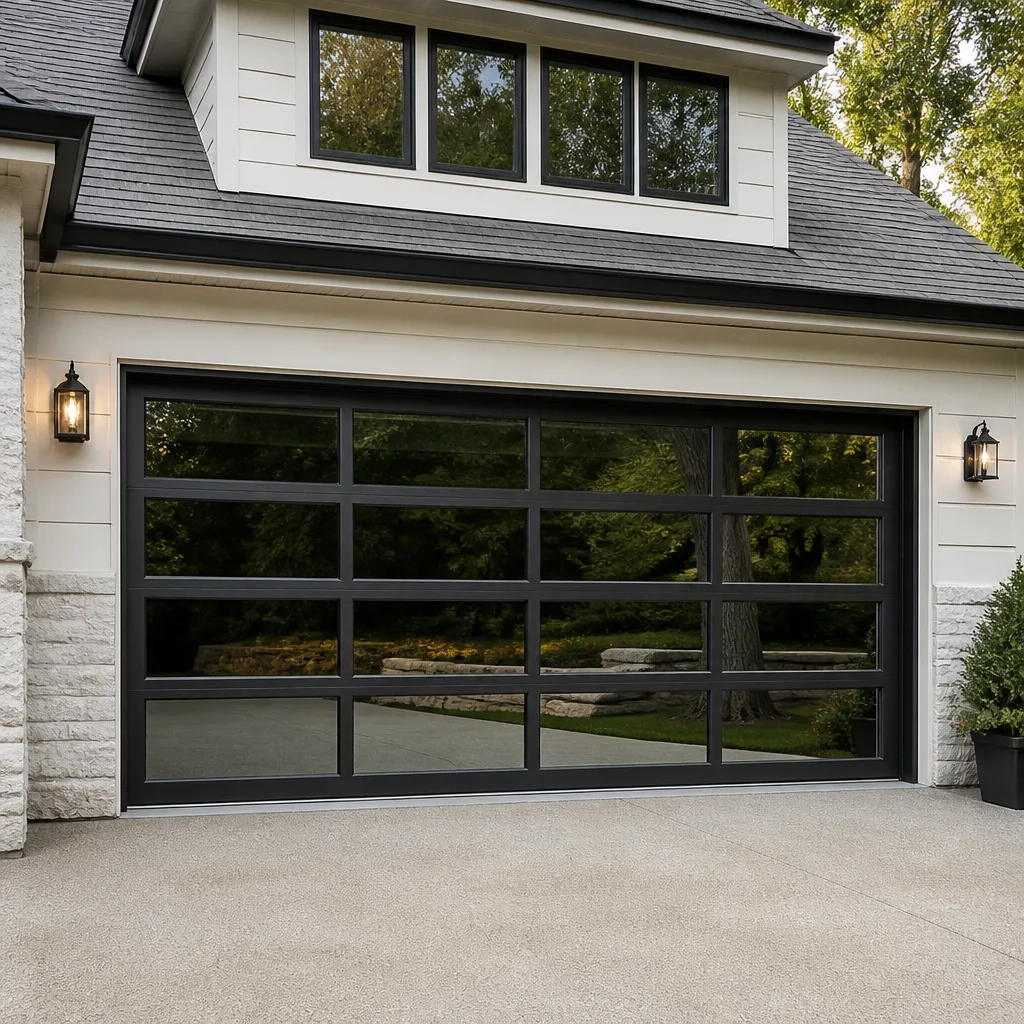 Full-view glass
 LiftMaster openers
 Chamberlain openers
Full 25-point door and opener safety check with every visit - springs, cables, rollers, tracks, and your LiftMaster or Chamberlain opener included
You get a price before we start. It does not change when the pro arrives.
Get your free estimateGarage Door Repair Maintenance Schedule: What to Do and When
Lubricating your springs every three months sounds responsible. It isn’t. Over-lubricating rollers and hinges attracts grit, and that grit grinds away metal faster than skipping the lube entirely. Most maintenance advice you’ll read online fails for the same reason: it treats a garage door as one machine with one schedule, when it’s really five or six parts each wearing on its own clock. A torsion spring, a nylon roller, a steel hinge and a rubber weather seal don’t age at the same rate, so a single quarterly checklist will always be either too much for some parts or too little for others. In this guide we’ll break down component-by-component timelines, the seasonal rhythm that fits Missouri’s freeze-and-thaw pattern, the five-minute monthly check you can do yourself, and how to log it all so you catch decline before it becomes a Saturday morning surprise. We’re writing this from Princeton Heights, where the climate asks specific things of a door.
Quick Answer
Most garage doors need a quick visual-and-lube check once a month, a seasonal adjustment before the first hard freeze and after the spring wet season, and a full professional inspection once a year. Springs, cables and hinges should be examined by a trained eye annually; rollers and weather seal need replacement on their own shorter cycles. The right schedule is component-specific, not calendar-wide, and logging it matters as much as doing it.
Styles & brands we work with
- Raised-panel steel
- Carriage house
- Modern flush
- Full-view glass
- LiftMaster openers
- Chamberlain openers
Table of Contents
- Why Generic Quarterly Checklists Miss the Mark
- Component-by-Component Timelines
- The Five-Minute Monthly Visual Check
- Seasonal Maintenance for Missouri’s Climate
- Annual Tasks That Require a Trained Eye
- How to Log Maintenance and Spot Patterns
- What ‘Looks Fine’ but Is Past Replacement Threshold
- Opener Care: Belt, Chain, Screw and Smart Systems
Why Generic Quarterly Checklists Miss the Mark
A garage door is a mechanical system with moving parts that touch each other under load, and each type of part has its own wear cycle. A torsion spring cycles through tension every time the door opens and closes. A steel roller spins on a bearing that slowly dries out. A hinge wears where two metal plates pivot against a pin. A bottom seal compresses against concrete and takes on water. These are four different failure modes at four different speeds. The idea that “everything gets checked in spring and fall” is a holdover from home-maintenance calendars that were built for furnaces, not doors.
In our experience, the doors that last the longest are the ones where the owner figured out early which part wears first on their specific door. A heavy insulated double door on a LiftMaster belt drive wears its springs faster than a lighter single door on a chain drive, even if both are the same age. A door that faces west and takes afternoon sun will dry out its weather seal before a shaded door on the same street. A door that opens six times a day (a family with two cars and a school run) will need rollers checked twice as often as a door that opens twice.
That’s why the schedule in this guide is organized by part, not by month. You still need a rhythm to actually do the work, and we’ll give you one. But the underlying answer to “when should I do X” is almost always “based on the wear cycle of that part on your door,” not “in April and October.”
Princeton Heights sits in the transition zone between Missouri’s humid summers and its freeze-thaw winters, which adds a layer of complexity most generic maintenance guides skip. We’ll get to that in the seasonal section.
Component-by-Component Timelines
Here’s the honest breakdown of how often each part of a residential garage door actually needs attention. These are general timelines for a typical door in this region, not a promise about your specific door. A trained technician looking at your door can tighten these considerably.
Springs (Torsion and Extension)
Springs should be visually inspected every six months and functionally checked by a professional once a year. They don’t need lubrication, despite what you may have read. A spring is under extreme tension, and anything you put on it can trap dust and grit against the coils. The real signal is the door’s balance: if the door feels heavier than it used to, or won’t stay open at the halfway point, the spring is losing tension. Do not try to adjust or replace a spring yourself. Torsion springs in particular store enough energy to cause serious injury if released improperly, and this is the single most dangerous repair in the trade. Call a professional.
Cables
Cables should be inspected annually by a trained eye. They fray, they stretch, and they can jump a drum. A visual check for fraying or kinks is fine for a homeowner, but a cable under tension should never be touched, adjusted or greased without training. Cables and springs are usually evaluated together because they work as a system.
Rollers
Nylon rollers typically last several years before the bearing surface wears enough to cause noise or wobble; steel rollers can last longer but run louder. Inspect rollers annually and replace them when they develop flat spots, rattle in the track, or seize. This is the part where over-lubrication does real damage. Lubricate rollers sparingly, once a year at most, with a light silicone spray. Heavy grease attracts grit.
Hinges
Hinges wear at the pivot point. Inspect them annually, listen for squeaks and look for looseness where the hinge attaches to the door panel. Lubricate hinges sparingly with a silicone or lithium spray. If a hinge pin is worn oval, replace the hinge rather than re-greasing it.
Weather Seal (Bottom Seal and Perimeter Seal)
The bottom seal should be inspected every six months and replaced when it cracks, hardens or stops making contact with the floor. In this climate the freeze-thaw cycle opens gaps between the door and the concrete slab, so the seal is doing more work than it would in a milder region. Replace it before winter, not after.
Tracks and Hardware
Tracks should be checked for alignment and loose fasteners once a year. Bolts and brackets should be tightened as part of an annual inspection. Don’t lubricate tracks; the rollers need to roll, not slide.
Opener (Belt, Chain, Screw or Jackshaft)
The opener itself needs an annual check of the belt or chain tension, the safety reversal system, and the photo-eye alignment. Smart openers from LiftMaster and Chamberlain with app connectivity also benefit from a check of the battery backup (if equipped) and firmware updates, which we’ll cover later.
If you’re noticing noise or sluggish operation in Princeton Heights, that’s often the point where a quick garage door opener repair visit can catch a worn gear or failing logic board before the opener dies completely.
The Five-Minute Monthly Visual Check
You don’t need tools or training for this. Five minutes, once a month, standing in your driveway. Here’s what to look at:
- Listen. Open and close the door once. Any new rattle, squeak, grinding or shudder is a signal. Write it down.
- Look at the springs. From a safe distance, check the torsion spring above the door (or extension springs along the sides) for visible gaps, rust or sagging. Don’t touch.
- Check the cables. Look for fraying or slack at the drums and along the sides.
- Eye the rollers. Open the door halfway and look at the rollers in the track. Any that look cracked, flat-spotted or wobbly are candidates for replacement.
- Test the safety reversal. Place a small object (a roll of paper towels works) in the door’s path and close it. The door should reverse on contact. If it doesn’t, stop using the door and call for service.
- Check the photo-eyes. Wave your hand in front of each photo-eye. The door should not close. If it does, the sensors are misaligned or failed.
- Scan the weather seal. Look for daylight under the door or visible cracks in the bottom seal.
Log the date and what you saw. The whole point of the monthly check isn’t to fix anything; it’s to build a record you can compare against.
Seasonal Maintenance for Missouri’s Climate
Princeton Heights sits in a climate where a garage door sees meaningful temperature swings across the year, and those swings drive a specific maintenance rhythm. Here’s what we recommend before and after the two hardest seasons.
Before the First Hard Freeze
- Inspect and replace the bottom weather seal if it’s cracked or compressed. A seal that’s lost its pliability will let cold air and moisture under the door all winter.
- Lubricate hinges and rollers lightly with a silicone spray (not heavy grease). Cold weather thickens grease and can make hinges sluggish.
- Check the balance of the door by disengaging the opener and lifting it halfway. If it feels heavy or won’t hold, the springs need a professional look before winter loads increase.
- Test the safety reversal and photo-eyes. Cold weather can stiffen the door’s travel, and a reversal system that worked in September can bind in January.
- Clear debris from the tracks. Frozen leaves and grit cause rollers to bind.
After the Spring Wet Season
- Look for rust on hinges, tracks and the bottom of steel door panels. Wet springs and hardware rust faster here than in drier regions.
- Re-check the bottom seal. Winter freeze-thaw opens gaps and the wet season drives water under the door.
- Clear the tracks and check the concrete slab for cracks or heaving that could interfere with door travel.
- Inspect the opener’s belt or chain for slack that cold-weather operation may have introduced.
- Verify the photo-eye alignment hasn’t shifted over winter.
If your door fails on a Saturday, we’re closed that day. Call and we’ll book you into Sunday. We answer 24/7. Fast dispatch from 7am to 7pm, Sunday through Friday.
Annual Tasks That Require a Trained Eye
Some of the most important maintenance on a garage door can only be done safely and accurately by someone who knows what to look for. These are the annual items we’d never suggest a homeowner tackle alone:
- Spring tension and balance check. A technician measures the door’s lift force and compares it to the manufacturer’s spec. Springs that are out of tolerance get flagged before they break.
- Cable inspection under load. Fraying and drum wear require trained eyes and the right tools to evaluate safely.
- Hinge and roller wear measurement. A trained eye can spot hinge wear at the pin and roller wear at the bearing long before it becomes noise.
- Opener force and travel limits. The opener’s force limits need to be set correctly for the door’s weight and travel. If they’ve drifted, the door can crush or fail to reverse.
- Track alignment and fastener torque. Loose brackets cause premature roller and hinge wear. A trained eye checks and re-torques the whole system.
- Panel and section inspection. Subtle warping, hinge pull-through or panel separation may not be visible at a glance.
An annual inspection is also where a professional can spot brand-specific wear. If you have a Clopay door with a specific panel profile, or a Wayne Dalton door with a proprietary hinge, the wear patterns look different than on a generic door. Knowing the brand and model changes what the technician looks for. Our technicians have up to 11 years of experience across LiftMaster, Chamberlain, Genie, Clopay, Amarr, Wayne Dalton, Craftsman and Raynor systems.
If annual inspection reveals something that needs repair, we can usually handle it in the same visit. For a broader look at what we cover, see our garage door repair page.
How to Log Maintenance and Spot Patterns
Most homeowners who “maintain” their garage door do the work but never write it down, which means they lose the one thing that makes maintenance useful: pattern recognition. A log turns scattered observations into a trend line.
Here’s what a useful log entry looks like:
- Date of the check.
- What you did (visual, lube, tighten, adjust).
- What you observed in plain language (“door felt heavier at halfway,” “slight rattle on close,” “bottom seal compressed on left side”).
- What changed since the last entry (“same rattle, slightly louder,” “seal gap now visible”).
- What you did about it (“called for service,” “replaced seal,” “no action, monitoring”).
Keep it in a notes app on your phone, a shared calendar, or a paper folder in the garage. The point isn’t the format. It’s that after two or three entries, you’ll start to see which parts on your door are moving toward failure and which are stable. That’s how you catch a set of springs that are slowly losing tension before the door stops opening, or a roller that’s been rattling for three months and is about to seize.
If you’re planning a new door, logging becomes even more valuable. The garage door installation process goes smoother when the installer knows how the door will be used, and a log of your last year’s usage tells that story better than a guess.
What ‘Looks Fine’ but Is Past Replacement Threshold
This is where a trained eye earns its keep. A garage door can look completely fine from the driveway and still be past the point where a part should be replaced. Visual inspection alone misses most of these:
- Springs. A spring can look rust-free and sound and still be past its cycle count. The measurement that matters is wire diameter, inside diameter, and the length of the coil under load, which requires a caliper and training. A visual check of “no visible gap” tells you almost nothing about remaining life.
- Rollers. A roller with a slightly worn bearing surface can look perfectly round from six feet away. The right test is to spin it and feel for roughness, or measure its diameter with a caliper against spec.
- Cables. Surface rust on a cable hides internal strand breaks. A trained technician will flex and inspect the cable under safe conditions with the right tools.
- Hinges. A hinge that squeaks can be past the wear limit at the pin (the pivot wears oval before it snaps). Replacing the hinge is cheaper than waiting for it to fail.
- Bottom seal. A seal that looks intact can still be past its compression limit. The right measurement is whether the door makes even contact with the floor across its full width.
- Opener logic board. A board that “still opens the door” can have failing relays that cause intermittent stops. Diagnosis requires the right diagnostic tooling, not a visual check.
This is the biggest reason we recommend a real annual inspection rather than a DIY checklist-only approach. The DIY check catches the obvious wear. The trained eye catches the wear that looks fine but isn’t.
Opener Care: Belt, Chain, Screw and Smart Systems
Opener care depends heavily on the system. Belt drives need periodic tension checks and an eye on the belt for fraying; chain drives need the chain lightly lubricated (sparingly) and checked for slack; screw drives need a clean screw and the right grease. Jackshaft openers, which mount to the side of the door and turn the torsion bar directly, have their own set of maintenance points around the torsion assembly.
Smart and connected openers from LiftMaster and Chamberlain with app-based control have a few extra maintenance items. Firmware updates occasionally arrive, and the pairing between the opener and the app can drift after a router change or a power event. Battery backup systems (on openers that have them) need the battery tested once a year and replaced when it stops holding. A dead backup battery often only shows up during a power outage, so testing on the schedule prevents the worst-timed surprise.
Legacy systems from Craftsman and Genie are often still running after many years and benefit from a check on the logic board and the travel limits, which tend to drift as mechanical parts wear. If a legacy opener is starting to misfire, the fix is often a specific part rather than a whole new opener. That’s a big part of why we stock parts and can usually get a direct replacement rather than waiting on a third-party order.
For more on opener-specific service, our garage door opener repair page covers the diagnosis process. And for an overview of everything we do across Princeton Heights, start at Garage Door Repair Princeton Heights.
Common Mistakes to Avoid
- Over-lubricating rollers and hinges. A thick coat of grease traps grit, and grit wears metal faster than dry parts. Light silicone, applied sparingly once a year, is almost always the right answer.
- Lubricating the tracks. This is the mistake we see most often in Princeton Heights. The rollers need to roll, not slide. Grease in the tracks makes them slide and knocks the door out of balance. Clean the tracks, don’t grease them.
- Greasing torsion springs. Springs should not be lubricated. Anything on a spring traps grit and doesn’t extend its life. Springs are replaced on a cycle, not maintained with oil.
- Adjusting or replacing a spring yourself. This is the most dangerous mistake in garage door maintenance. Springs under tension can cause serious injury. Leave them to a trained technician.
- Skipping the log. Maintenance without a record is just guesswork. You lose the pattern recognition that catches failures early.
- Ignoring a safety reversal failure. If the door doesn’t reverse when it hits an object, stop using it. A door that closes on a person or pet causes real injury.
- Waiting for a visible failure to call for service. By the time a cable frays through or a spring breaks, you’re looking at an unplanned repair and a door that won’t open. The scheduled check is what prevents the emergency.
See the difference
 Before
 After
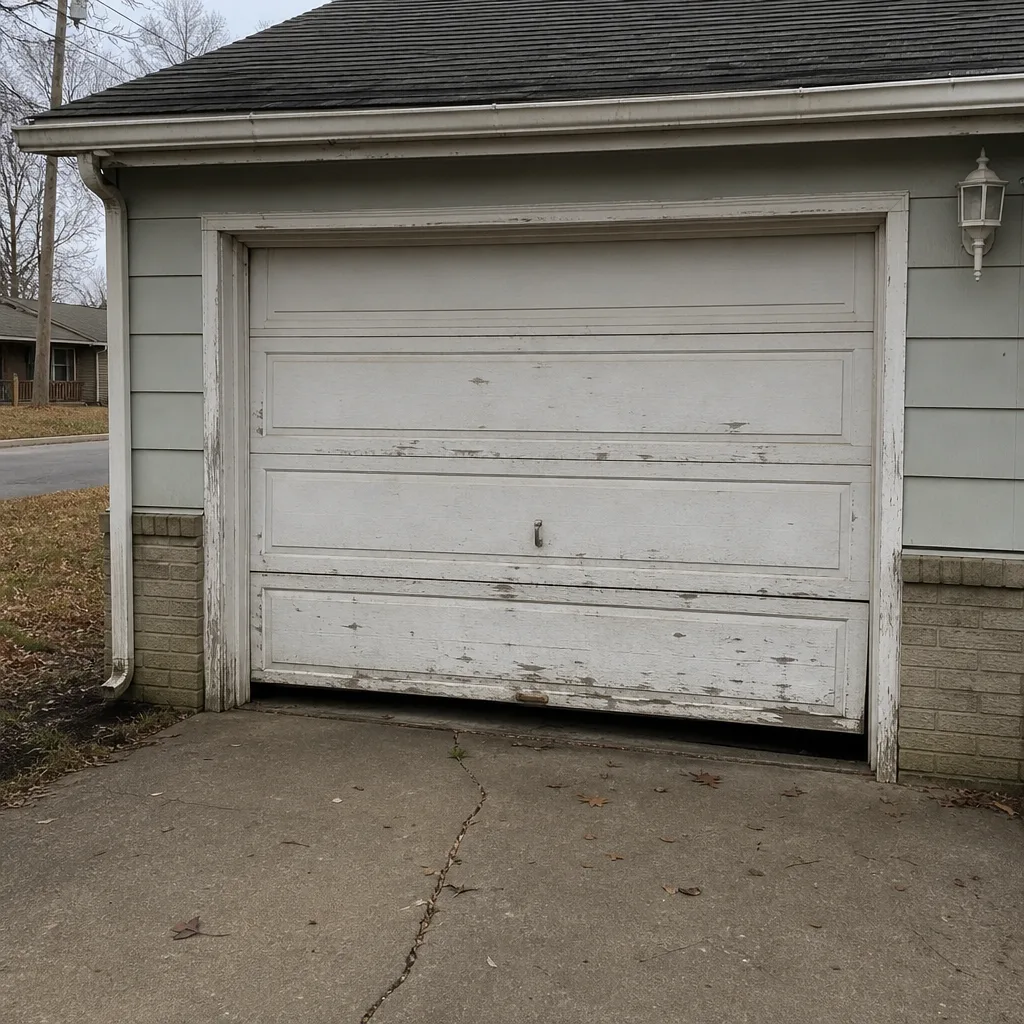 Before
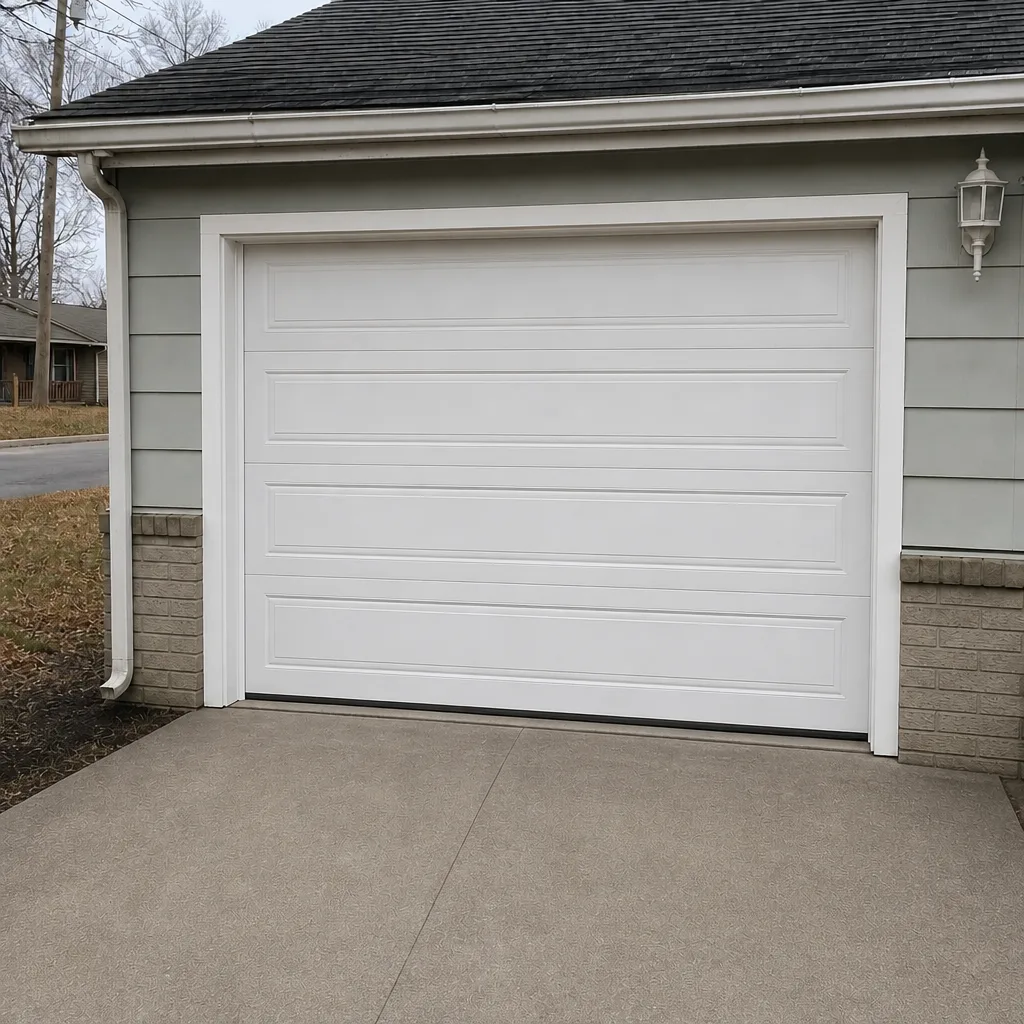 After
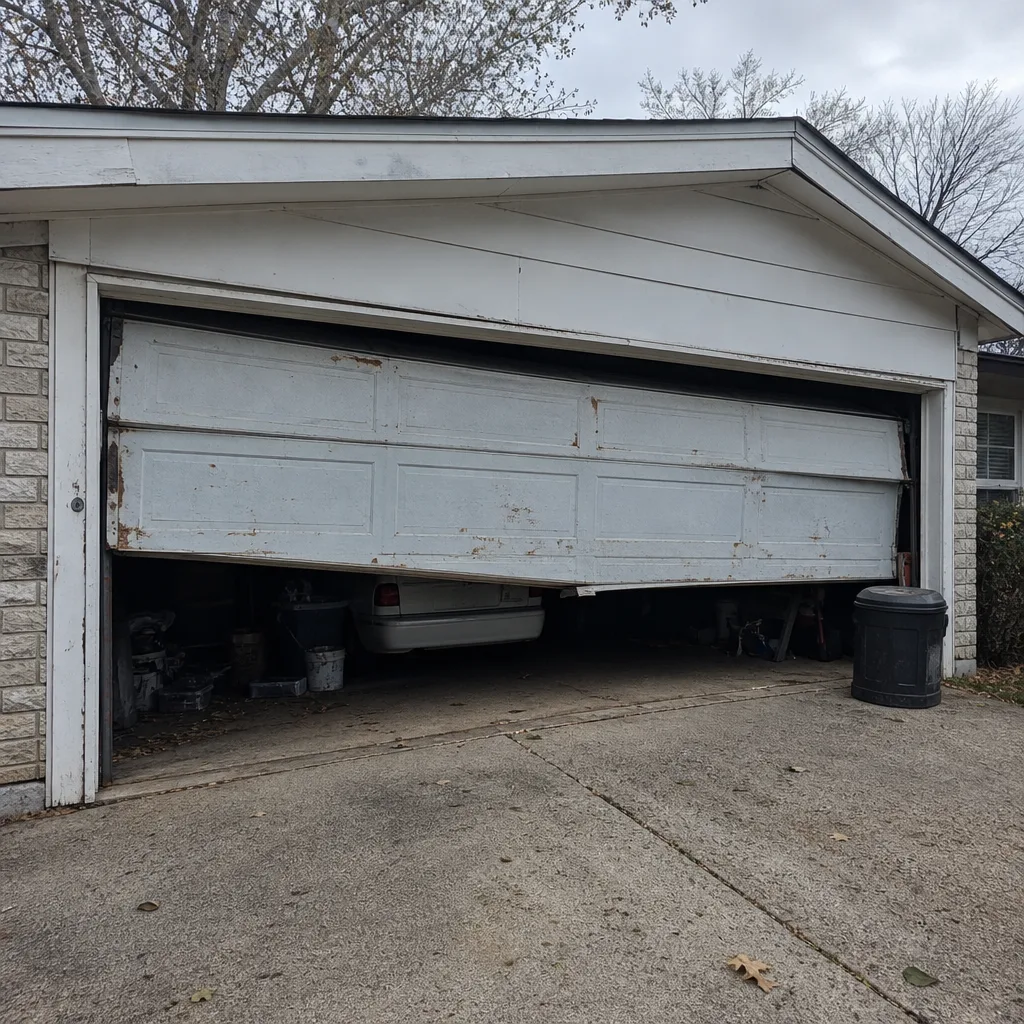 Before
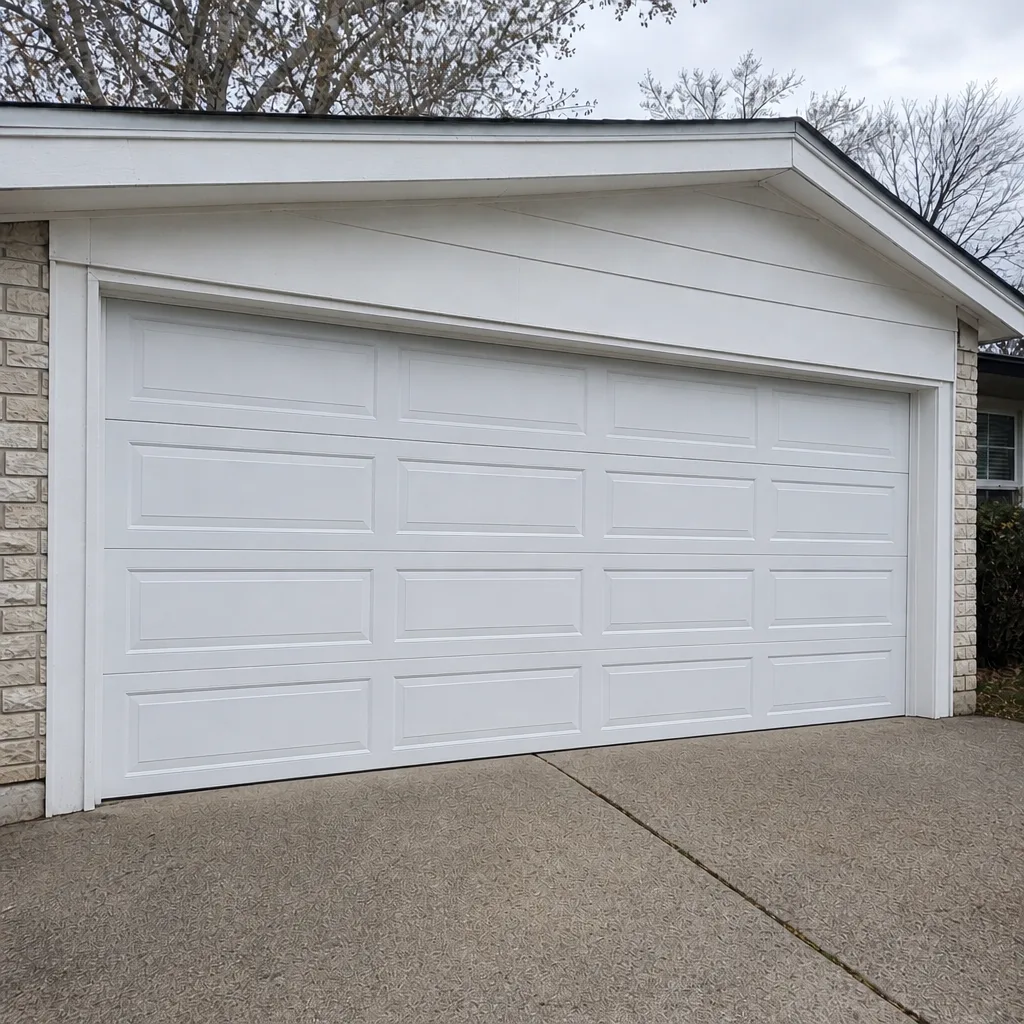 After
When to Call a Professional
Call a professional the moment anything feels wrong with the balance of the door, the springs, or the cables. If the door feels heavy at the halfway point, won’t stay open, or makes a new noise, stop using the opener and have it looked at. Also call if the safety reversal fails or the photo-eyes don’t register, if the door comes off its track, or if the opener stops responding to the remote or wall button. Any of these are signs that a component has moved past the maintenance stage and into repair, and the earlier we see it, the simpler the fix usually is. Garage Door Repair Princeton Heights offers free estimates in Princeton Heights. Call (855) 799-9554. We answer 24/7. Fast dispatch from 7am to 7pm, Sunday through Friday.
Frequently Asked Questions
Once a year for hinges and rollers is usually enough, with a light silicone spray applied sparingly. Don’t lubricate springs, tracks or cables. Over-lubrication attracts grit and does more harm than good.
Yes, because the monthly checks catch visible wear and the annual inspection catches the wear that looks fine but isn’t. Springs, cables and opener force limits require measurements and training to evaluate safely. The annual inspection is what catches decline before it becomes a failure.
The signs are a door that feels heavier than it used to, a door that won’t stay open at halfway, visible gaps in the torsion spring coils, or a loud bang from the garage. Don’t test any of this yourself with tools. A trained technician evaluates spring tension and cycle count safely. Call (855) 799-9554 for a free estimate.
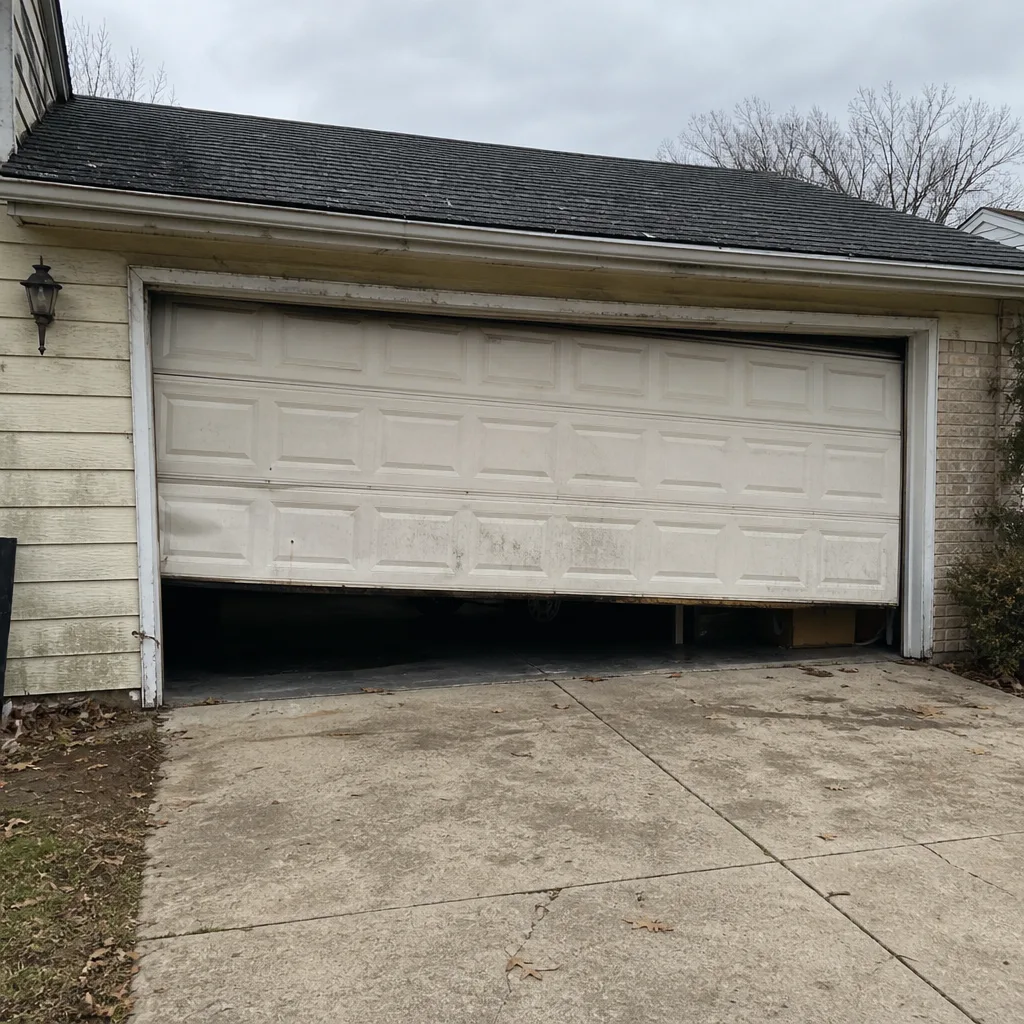
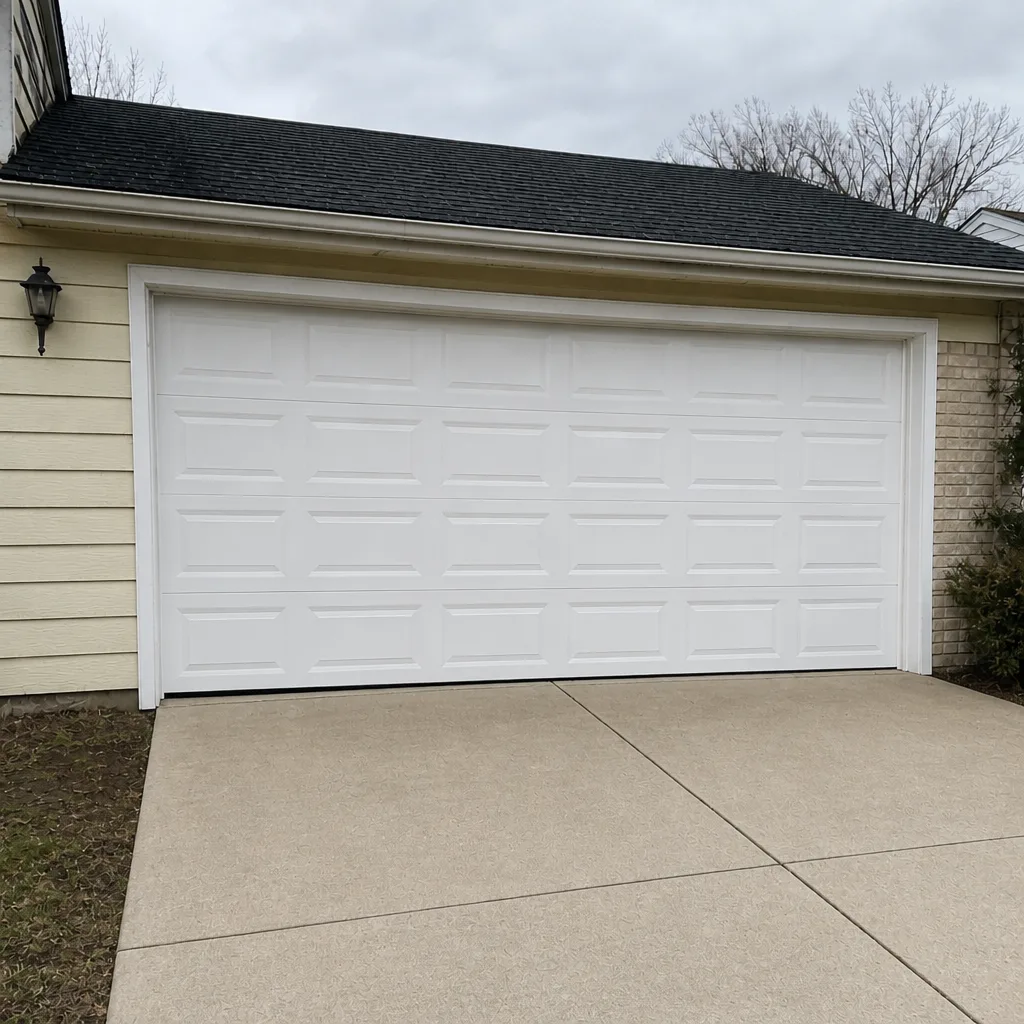
Before. Missouri’s freeze-thaw cycle opens gaps between the door and the concrete, and a worn seal lets cold air and moisture in all winter. Replacing it in the fall is cheaper than replacing it after the wet spring damages the door’s bottom section.
No. The written estimate sets the final price, and it’s quoted and agreed before any work starts. The inspection may reveal additional wear, but we walk you through the options and don’t start work until you’ve approved the price. Estimates are free.
The local professionals we connect you with are licensed and insured as their state requires, and our technicians have up to 11 years of experience across all eight major garage door brands. Call (855) 799-9554 for an exact quote. Estimates are free.
The Bottom Line
A garage door maintenance schedule isn’t about doing everything every year. It’s about timing each task to the wear cycle of that specific part on your door, in this climate, with the way you actually use the door. Do the five-minute visual check monthly. Do the seasonal winter and spring work. Do the annual professional inspection. Log all of it. Springs, cables and opener force limits always go to a trained technician; hinges, rollers and weather seal you can keep an eye on yourself. The result is a door that tells you about its wear before it fails, and a repair that stays a repair instead of becoming a replacement.
If you’re ready to get a real schedule in place for your door, call Garage Door Repair Princeton Heights at (855) 799-9554 for a free estimate. We answer 24/7. Fast dispatch from 7am to 7pm, Sunday through Friday. Whether it’s a spring you suspect is getting weak, an opener that’s misbehaving, or a full annual inspection you’ve been putting off, one call covers it.
Written by the team at Garage Door Repair Princeton Heights.