
Last updated November 21, 2026
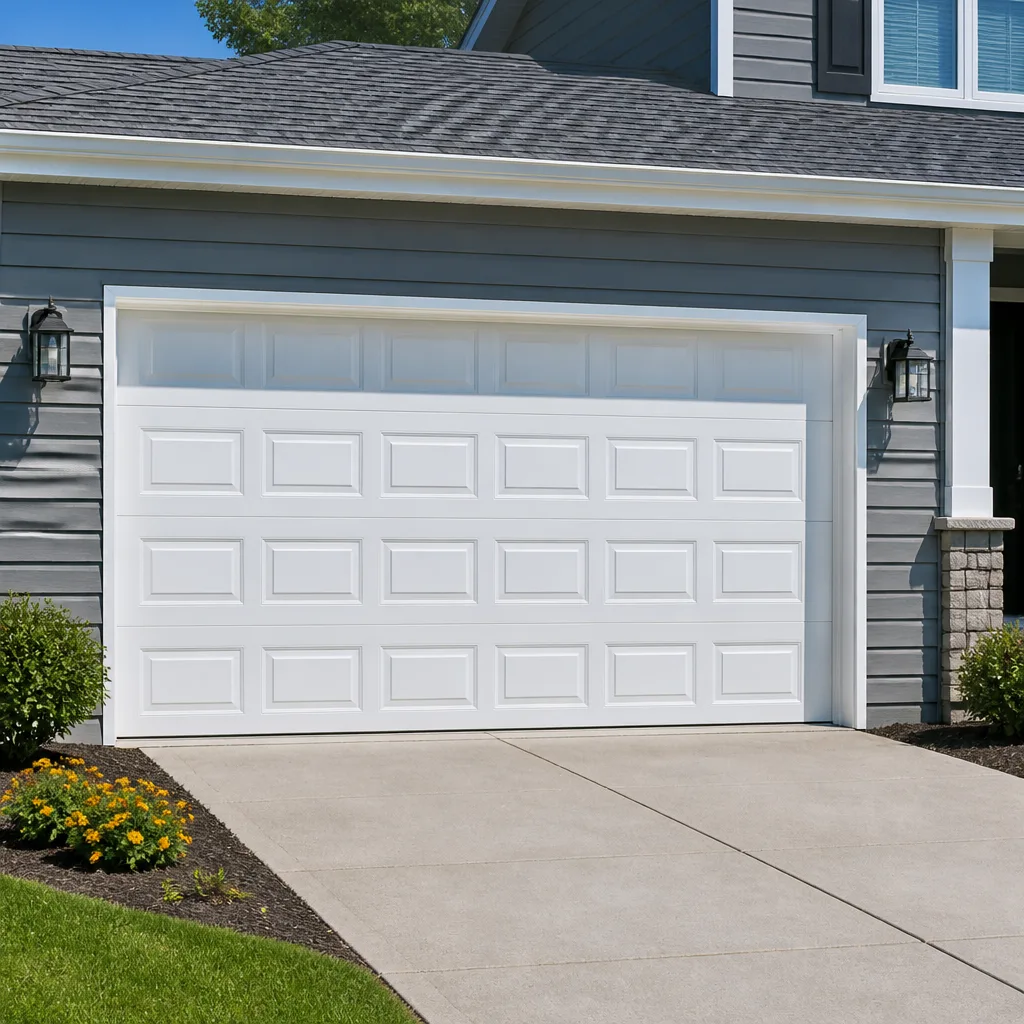 Raised-panel steel
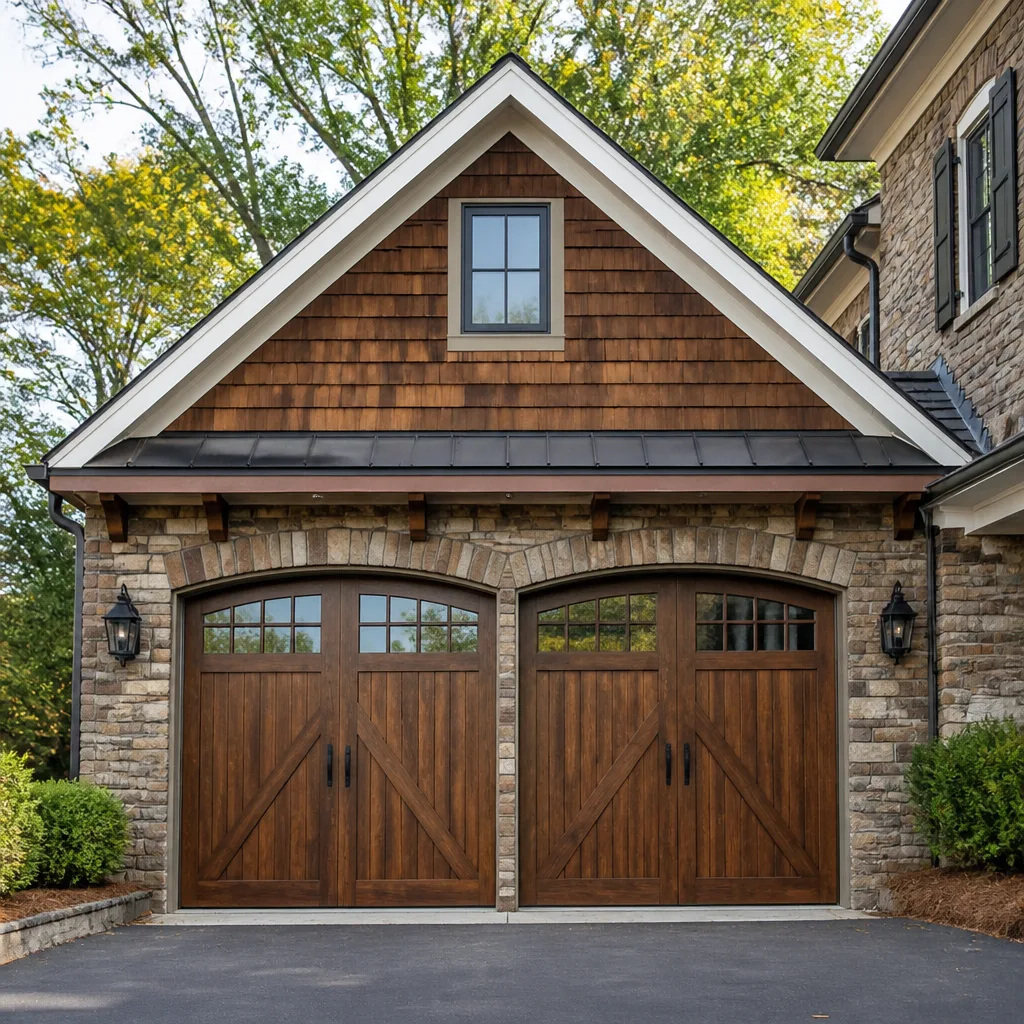 Carriage house
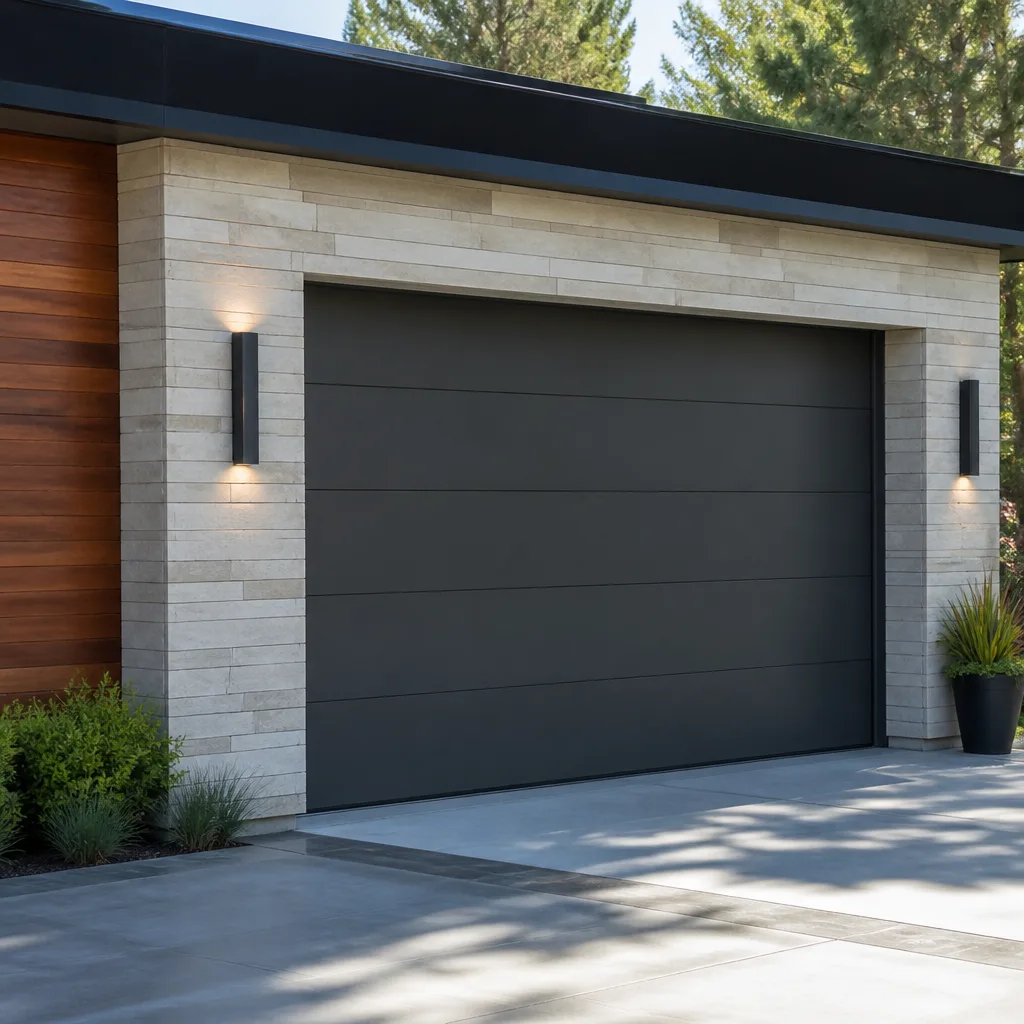 Modern flush
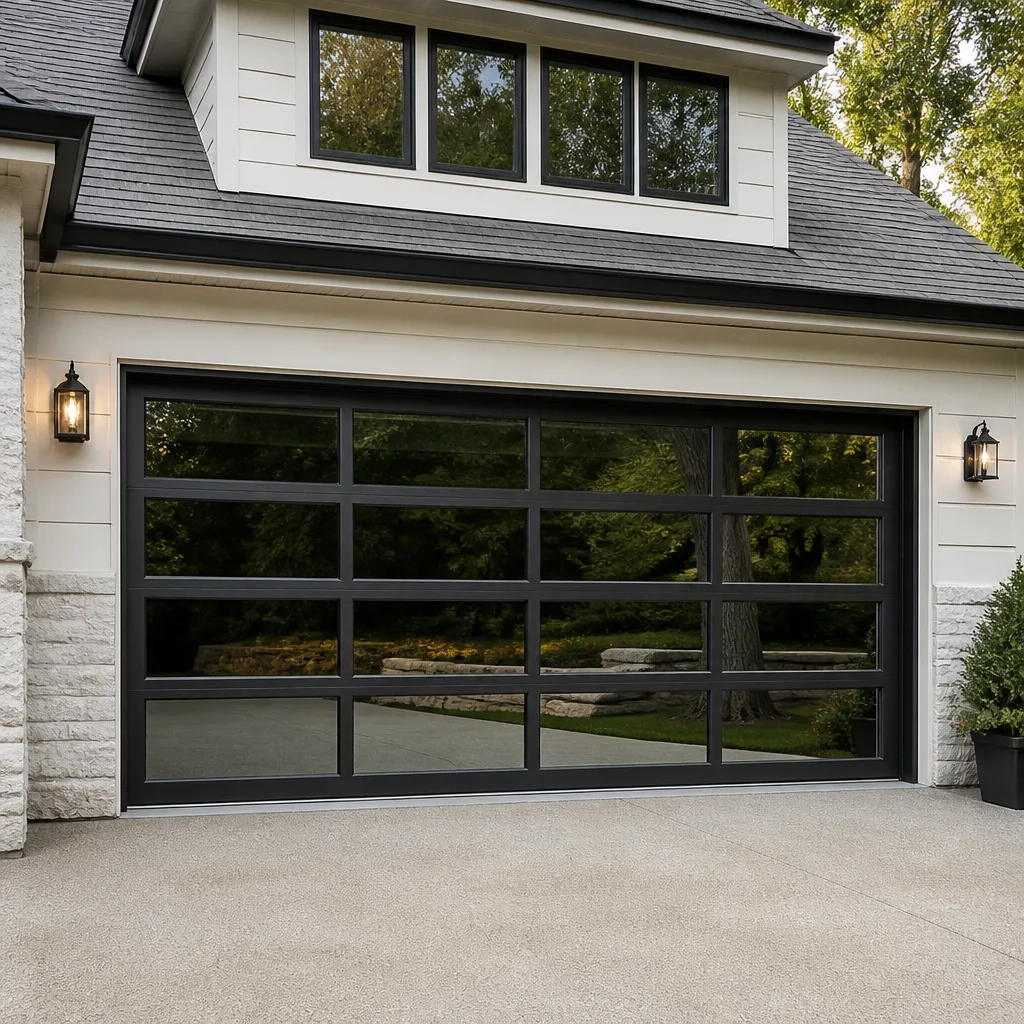 Full-view glass
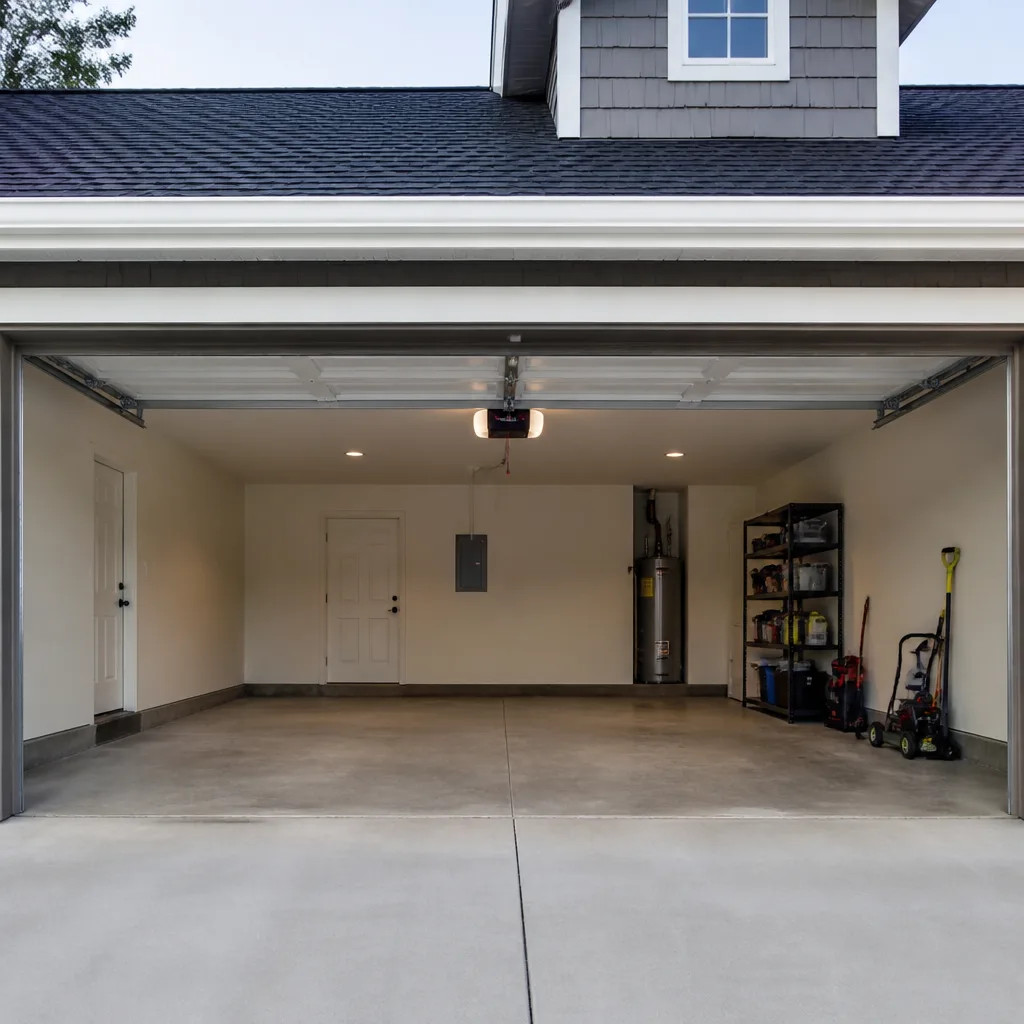 LiftMaster openers
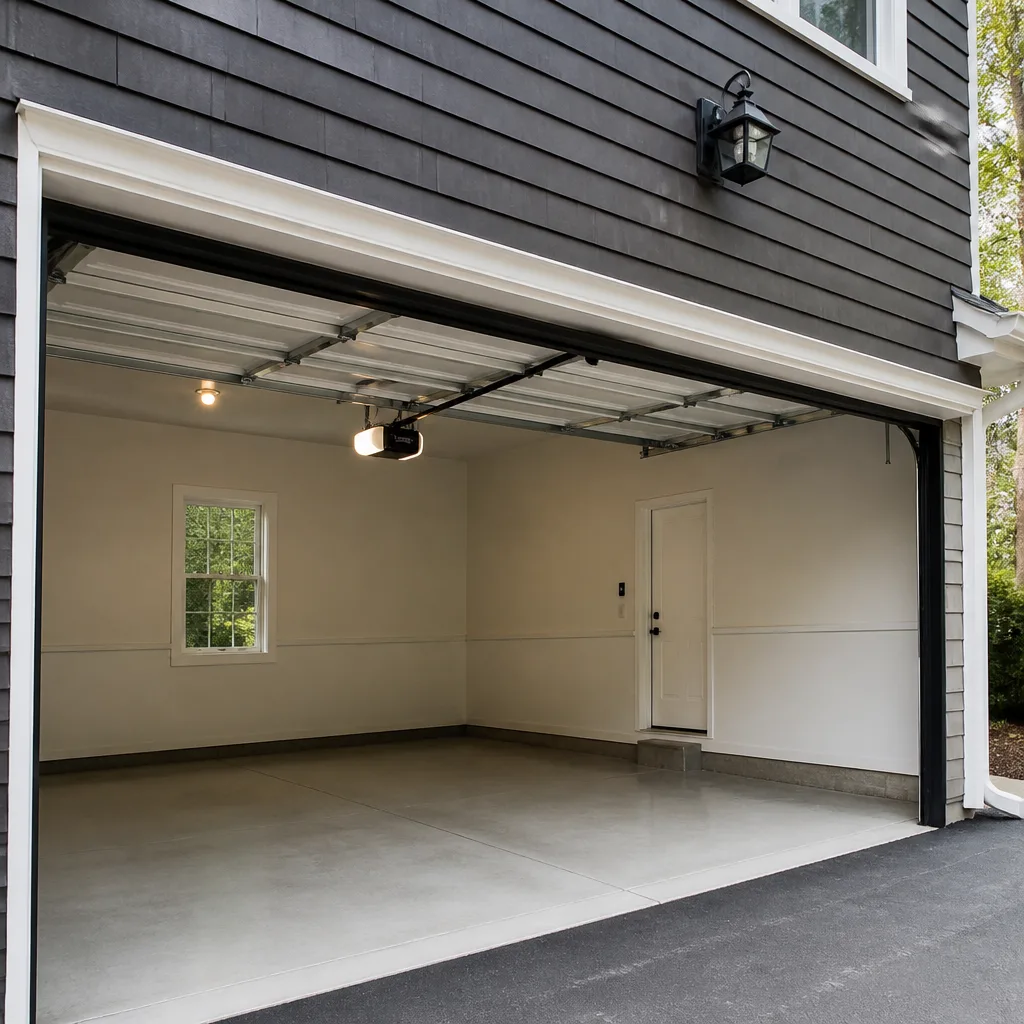 Chamberlain openers
Full 25-point door and opener safety check with every visit - springs, cables, rollers, tracks, and your LiftMaster or Chamberlain opener included
You get a price before we start. It does not change when the pro arrives.
Get your free estimateGarage Door Repair Troubleshooting in Princeton Heights: Common Problems and How to Fix Them
A door that reverses before it closes and a door that won’t move at all look like the same problem from the driveway. They’re not. One is usually a misaligned safety sensor or a frayed wire; the other is often a snapped spring or a dead logic board, and treating them the same wastes time and money. Most garage door failures in Princeton Heights fall into one of six mechanical categories, and knowing which category you’re standing in cuts diagnosis time in half. This guide teaches you to read the door itself – the sounds, the movement, the way it stops – so you describe the problem accurately and get the right part the first time. We’ll cover the tools you can safely use, the point where you should stop, and how Princeton Heights seasons change what a door does.
Quick Answer
Garage door problems are usually one of six things: a broken spring, a failed opener, a misaligned or blocked safety sensor, a bent track, worn rollers and hinges, or a loose cable. A door that won’t lift is almost always a spring or cable problem, not an opener problem. The fastest way to get the right fix in Princeton Heights is to write down exactly what the door does, note which brand is on the opener, and call a specialist with that description so the technician arrives with the right part.
Styles & brands we work with
- Raised-panel steel
- Carriage house
- Modern flush
- Full-view glass
- LiftMaster openers
- Chamberlain openers
Table of Contents
- The Six Categories Every Garage Door Problem Falls Into
- Opener Fault or Mechanical Fault? Why Checking the Opener First Is Usually Wrong
- How Princeton Heights Seasonal Temperature Swings Affect Springs and Sensors
- Safe DIY Diagnostics vs. the Exact Point Where You Should Stop
- Symptom-to-System Mapping: What the Door Does and What It Means
- How to Describe the Problem So a Technician Arrives Prepared
- Why Springs Are the One Part You Should Never Touch
- The Right Part, Faster: How Parts Access Shortens a Repair
The Six Categories Every Garage Door Problem Falls Into
Every symptom you’re likely to see in Princeton Heights traces back to one of six systems. Reading the door before you call anyone lets you skip the guesswork.
- Springs. Torsion springs (the wound bar above the door) and extension springs (the stretched springs along the sides) carry the door’s weight. When one fails, the door suddenly feels twice as heavy, and the opener can’t lift it.
- Openers. The motor and logic board that raise and lower the door. Failures show up as the door not responding, responding intermittently, or reversing for no clear reason.
- Safety sensors. The two small lenses near the floor that break an invisible beam. Anything blocking the beam stops the door from closing.
- Tracks. The rails the door rides in. A bent or dented track makes the door drag, jump or bind partway up.
- Rollers and hinges. The wheels that glide inside the tracks and the joints that fold the door panels. Worn parts here cause grinding, squealing and wobble.
- Cables. The steel cables that tie the door to the springs and drums. A frayed cable is a safety issue, not a nuisance.
When a door acts up, ask yourself which of these six would produce that behavior. A door that grinds but still opens is a track or roller problem. A door that hangs halfway is a balance or spring problem. A door that closes then bounces back open is a sensor problem. That single question narrows the diagnosis more than anything else you can do in the driveway.
Opener Fault or Mechanical Fault? Why Checking the Opener First Is Usually Wrong
Most homeowners assume the opener is broken when the door won’t lift. That assumption sends a lot of people shopping for a new opener they don’t need. The opener’s job is to move the door, not lift it. The springs do the lifting. If a spring is broken, a perfectly healthy opener will strain, stall or reverse, and the motor gets blamed for a spring’s failure.
Here’s the order we check things in:
- Look at the springs first. A broken torsion spring shows a visible gap where the coil separated. A broken extension spring often hangs loose with a visible hook.
- Watch the door’s motion. A door that opens smoothly by hand (carefully, slowly, without forcing) but not by remote has an opener problem. A door that feels impossibly heavy by hand has a mechanical problem.
- Check the safety sensors next. Blocked, misaligned or dirty sensors stop the door from closing without any motor fault at all.
- Check the opener last. Only after the mechanical system is ruled out does the opener get tested.
In our experience, roughly the same split shows up across most residential doors: a large share of “dead opener” calls turn out to be a spring, a sensor or a track problem. On a LiftMaster or Chamberlain system, the door will often flash the light on the opener housing when it hits resistance, which is a deliberate signal, not the motor failing. Reading that signal before you spend money on a motor saves the whole visit.
How Princeton Heights Seasonal Temperature Swings Affect Springs and Sensors
Princeton Heights sits in a climate with real temperature swings between summer and winter, and those swings change what a door does in predictable ways. Springs aren’t immune to temperature. Steel expands in heat and contracts in cold, and a torsion spring that felt balanced in July can feel sluggish in January. That doesn’t mean the spring is broken. It means the door is telling you the tension is on the edge, and the fix is a proper adjustment, not a replacement.
Sensor alignment drifts the same way. The brackets that hold the safety sensors shift slightly as the ground and the concrete slab move with the seasons. A door that worked fine all summer and then refuses to close in the first cold snap is usually not broken; the beam has drifted off its target. Cleaning the lenses and confirming the alignment light is a safe first step. If the light is still off after that, the bracket needs a reset.
Wooden door panels also take on and release moisture across the year, which can make a door bind in the tracks during wet stretches and loosen up in dry ones. That’s why a recurring drag in Princeton Heights is worth a real diagnosis rather than a quick spray of lubricant. If a door only misbehaves at certain times of year, tell us that when you call. It’s a genuinely useful clue, and it’s the kind of detail that keeps a technician from fixing a symptom and missing the cause. Learning how a door behaves across a full year here makes every later repair easier to explain, and it’s the reason we ask about season before we ask about model.
Safe DIY Diagnostics vs. the Exact Point Where You Should Stop
There are real diagnostics a homeowner can do safely, and there’s a hard line where the risk stops making sense. Knowing which is which protects both your door and you.
Safe to do:
- Clean the sensor lenses and check that the indicator lights on both sensors are on.
- Listen for grinding or squealing as the door opens, and note exactly where along the track it happens.
- Check for anything blocking the sensor beam, including a sagging cable or a box on the floor.
- Test the door’s balance with the opener disconnected and the door raised partway (see below) – carefully.
- Write down the brand and model of your opener (LiftMaster, Chamberlain, Genie and Raynor systems all label the housing).
- Inspect for obvious damage: a visible spring gap, a track dented from the inside, a cable that looks frayed.
Stop and call a specialist:
- Any broken spring. Never try to move or bend a spring back into place.
- Any frayed or slack cable, which stores dangerous energy even when the door is down.
- Adjusting the torsion bar or the springs themselves.
- Repositioning a track that has been bent by impact.
- Working on the opener’s electrical wiring or logic board.
The balance check is the one hands-on test worth learning. Close the door, pull the opener’s release cord to disconnect it, and slowly raise the door a foot or so by hand. If it holds its position with light effort, the spring is balanced. If it drops or feels too heavy, stop and call. Never put your hands near the springs or cables to “feel” what’s wrong.
Symptom-to-System Mapping: What the Door Does and What It Means
This is the table worth saving. Read the door’s behavior in the left column and note the likely system on the right. It’s the fastest way to describe a problem accurately.
- Door won’t move at all; opener light flashes. Likely a spring or cable problem, or a sensor block. Check springs first.
- Door reverses before closing. Sensor misalignment or a blocked beam in almost every case.
- Door opens a little and stops. Balance or track problem, or the opener hitting resistance.
- Door closes, then bounces back open. Sensor fault or the opener’s down-limit set too far.
- Loud bang from the garage, door won’t lift after. Broken spring.
- Grinding or squealing on the way up. Worn rollers or a dented track.
- Door is crooked, one side higher than the other. Broken spring on one side (extension systems) or a snapped cable.
- Opener runs but the door doesn’t move, and there’s a humming sound. Stripped opener gear or a disconnected trolley.
- Remote won’t work but the wall button does. Remote or receiver issue, not the door.
Match the symptom to a category before you call, and half of the diagnosis is done. The Princeton Heights homeowner who can say “the door rises an inch, the opener light blinks, and there’s no visible spring gap” is describing something a technician can act on immediately. If you want to skip the flowchart entirely, you can reach us through Garage Door Repair Princeton Heights and we’ll take the diagnosis from there.
How to Describe the Problem So a Technician Arrives Prepared
The best way to shorten a repair is to help the technician arrive with the right part in hand. That starts before the call, with a few minutes of documentation.
- Name the brand on the opener. The housing is labeled. Say “LiftMaster” or “Genie” or “Chamberlain” and a technician knows the parts family immediately. On a Raynor or Clopay door, the door itself carries a label too.
- Describe the exact movement. “Won’t move at all,” “moves six inches and stops,” “reverses halfway down,” “one side lags.” Precise movement is worth more than “it’s broken.”
- Note the sound. A bang, a grind, a click, a hum. Sounds point straight at the failing part.
- Note the season or weather when it started. A problem that began in the first cold week is a different diagnosis than one that started in summer.
- Check the sensor lights and report both. Both steady, both off, or one steady and one off tells a story.
- Confirm whether it’s repair or replacement you’re considering. If the door is very old and the fix is borderline, it helps to say so up front.
When you call, give the make, model, movement, sound and sensor state in one breath. That’s enough for us to prep the right part and, where possible, bring the door back to working order on the first visit. That’s the difference between garage door repair done right and a repair that comes back in a month with a new symptom. On the opener side, knowing the brand narrows it down even more, which is why we handle garage door opener repair as a separate, focused service.
Why Springs Are the One Part You Should Never Touch
Springs are the reason garage doors can lift by hand at all. They store enough energy to hurt you badly if they release unexpectedly, and they’re under tension even when the door is closed and looks harmless. That’s the one part of this trade we never recommend homeowners handle. A torsion spring needs to be wound and unwound with the right tools and a specific number of turns for the door’s weight; a mistake can snap the spring or send the winding bars flying.
Extension springs are just as much of a hazard, and many older Princeton Heights doors use them. When they fail they can whip around their safety cables, which is why safety cables exist in the first place. If your door’s extension springs don’t have cables running through them, that’s a condition worth fixing even if the springs are intact.
Spring repair is core work for us. We match the spring to the door’s weight and the type of system, whether it’s a torsion setup or a pair of extension springs. A matched pair is usually replaced together because both springs have lived the same life. Pricing reflects that, so ask for the price per spring and the price for a pair when you call. When it’s time, our specialist team can handle garage door spring repair with the safety gear and the matching part in one visit. The warning signs to watch for are simple: a visible gap in the coil, a loud bang from the garage, or a door that suddenly feels twice as heavy. Any of those means stop using the door and book a repair.
The Right Part, Faster: How Parts Access Shortens a Repair
A diagnosis is only useful if the part is available. The biggest delay in most garage door repairs isn’t the work; it’s the wait for a third-party order. We supply garage door parts directly, which means we’re not sitting by the phone waiting on a special order while your car is stuck in the driveway. For a common failure – a sensor, a roller, a hinge, an opener gear – the fix can move from diagnosis to working door without a long gap.
Parts access also keeps the estimate honest. When we know the part source, the price you’re quoted is the price for the job. We quote and agree the price before any work starts, and the written estimate sets the final number. No invoice surprise at the end.
On the larger side, if the door itself has reached the end of its life, parts sourcing scales up to a replacement. We handle garage door installation across the major residential brands, including Clopay, Amarr and Wayne Dalton doors, so a failing system doesn’t mean starting over with a stranger. Repairs, parts, openers and new doors all come from the same specialist, which means you’re not managing three vendors across the door’s life. Call (855) 799-9554. We answer 24/7. Fast dispatch from 7am to 7pm, Sunday through Friday. The estimate is free and the price is set per job by the written estimate.
Common Mistakes to Avoid
- Blaming the opener for a spring failure. The motor is usually the victim, not the cause. Check the springs before you shop for a new opener.
- Spraying lubricant on everything as a fix. Lubricant quiets a squeal, but it doesn’t fix a bent track or a worn roller. The noise comes back in a week.
- Adjusted the sensors by force. Sensors need to be aligned so the beam hits its target, not shoved into line. Forcing the bracket usually makes it worse.
- Ignoring a small track dent. A small bend in a track creates drag, and drag wears out rollers and can eventually bind the door. A quick fix now versus a bigger repair later.
- Replacing a whole door when the fix is a spring. A heavy door is usually a balance problem, not a reason to replace. We’d rather fix the actual problem than sell you a new system.
- Running the door with a broken cable. A frayed cable can whip loose under tension. Stop using the door and book a repair.
- Calling with a vague symptom. “It’s broken” slows the whole repair. Say what the door does, the brand, and the sound, and the technician arrives prepared.
Each of these mistakes costs time or money, and none of them is unusual. The point is not to avoid every mistake on the first try; it’s to stop before you do damage. The safest habit in Princeton Heights is the same one we use in the shop: check the mechanical system first, check the opener last, and never work near a spring or cable.
See the difference
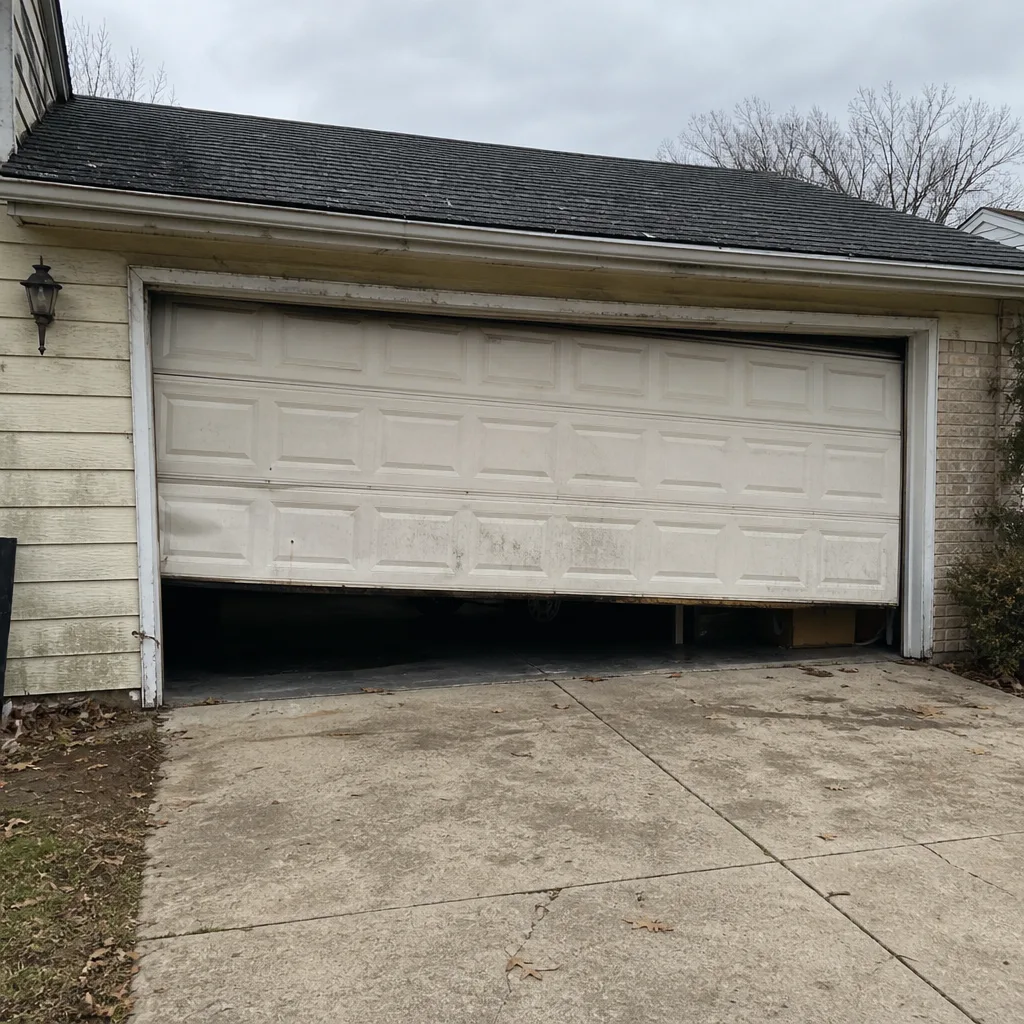 Before
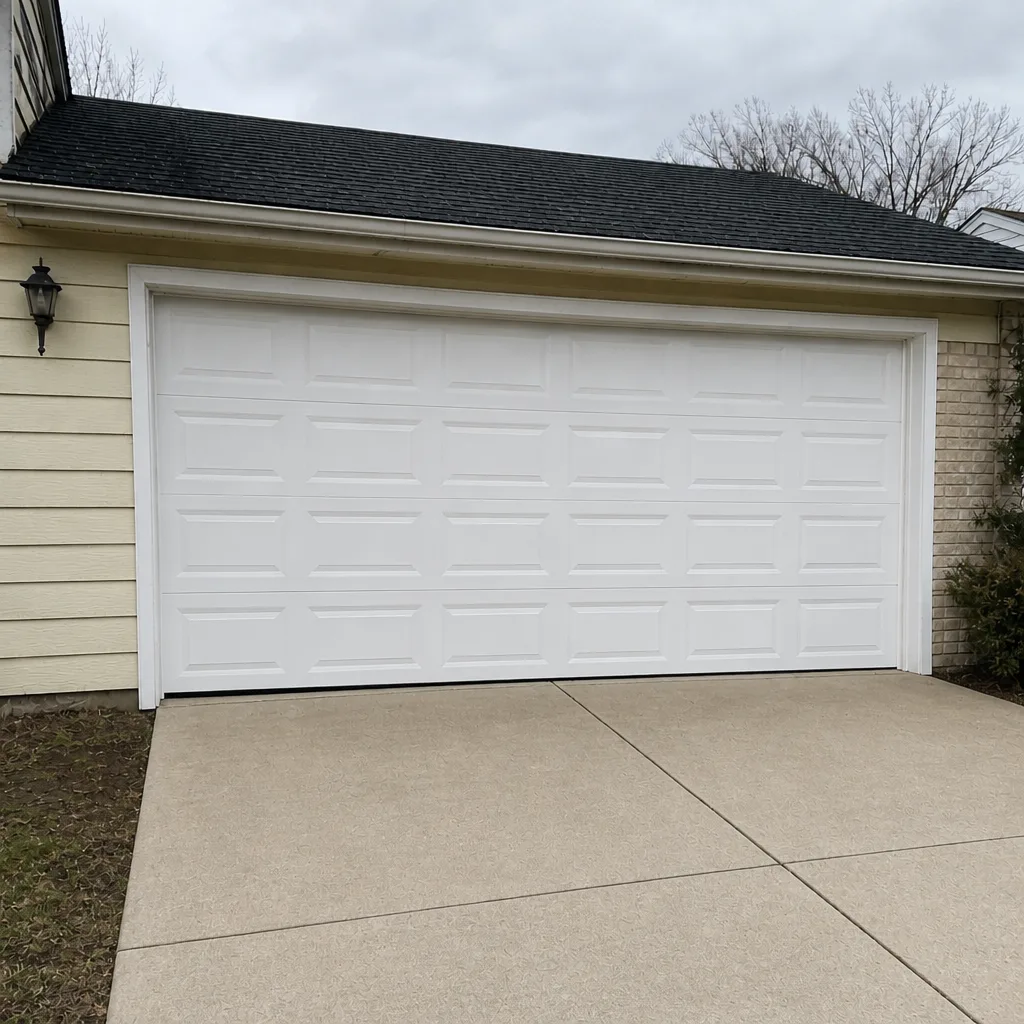 After
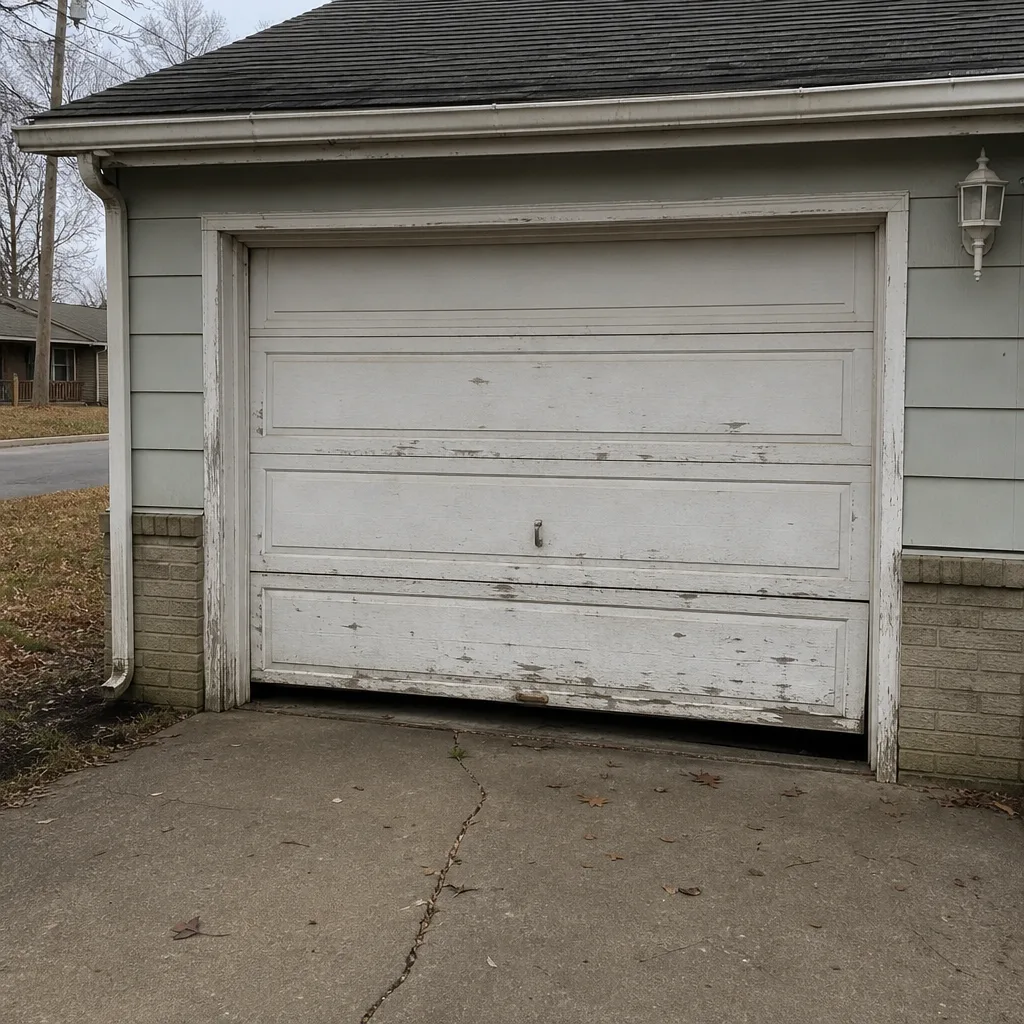 Before
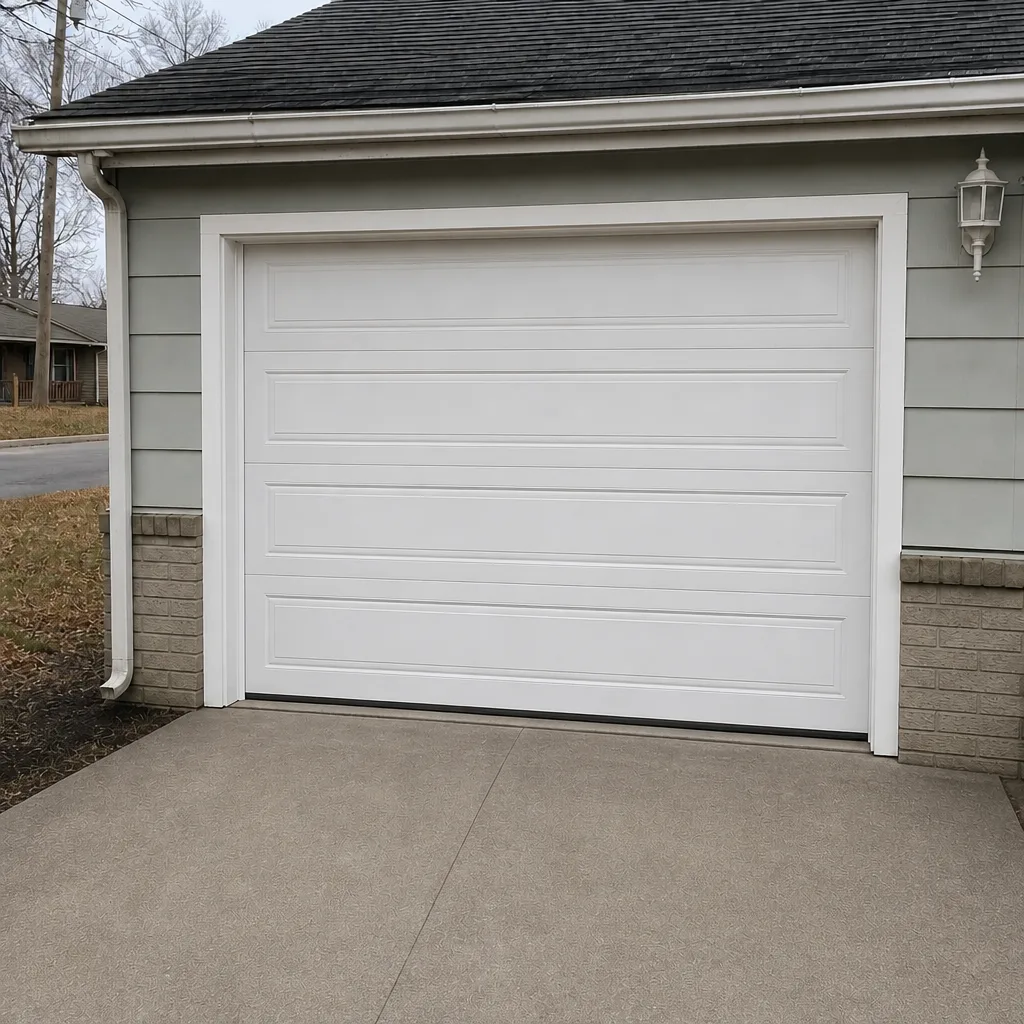 After
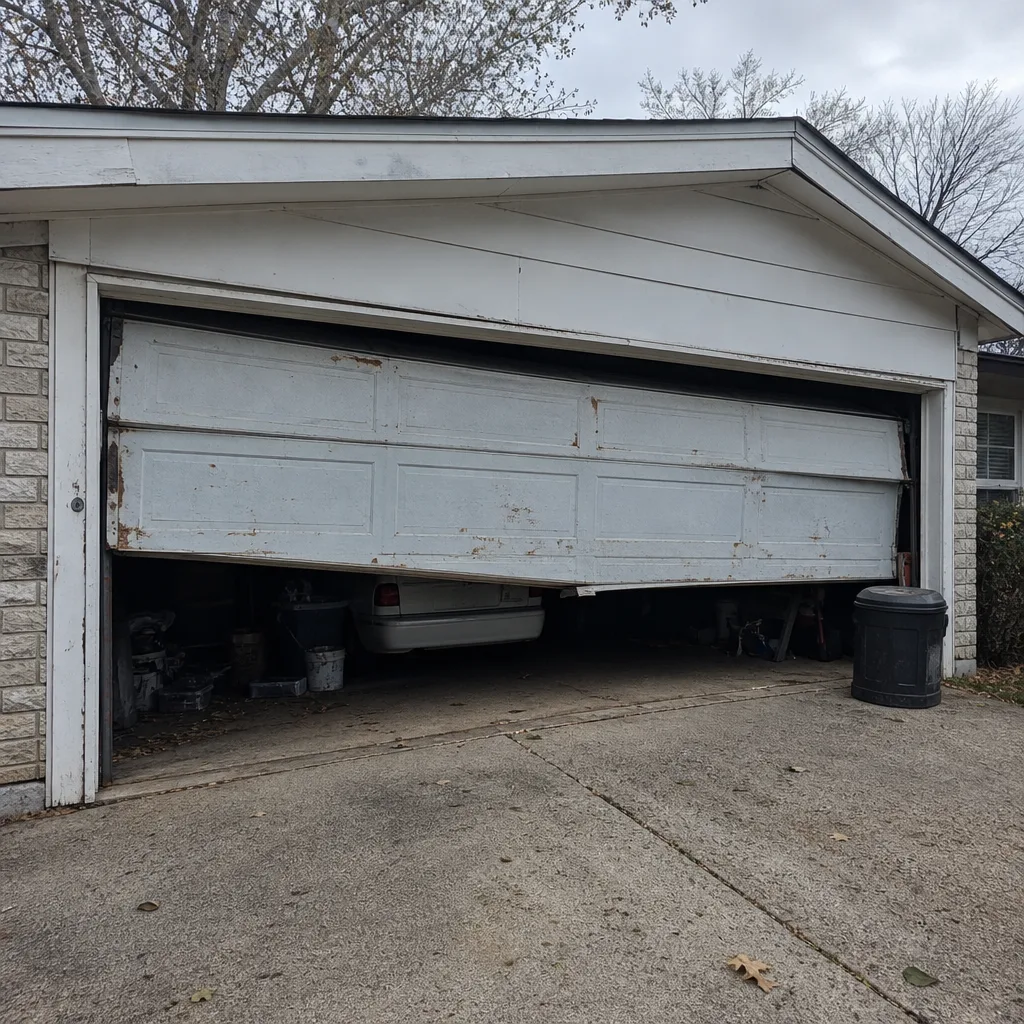 Before
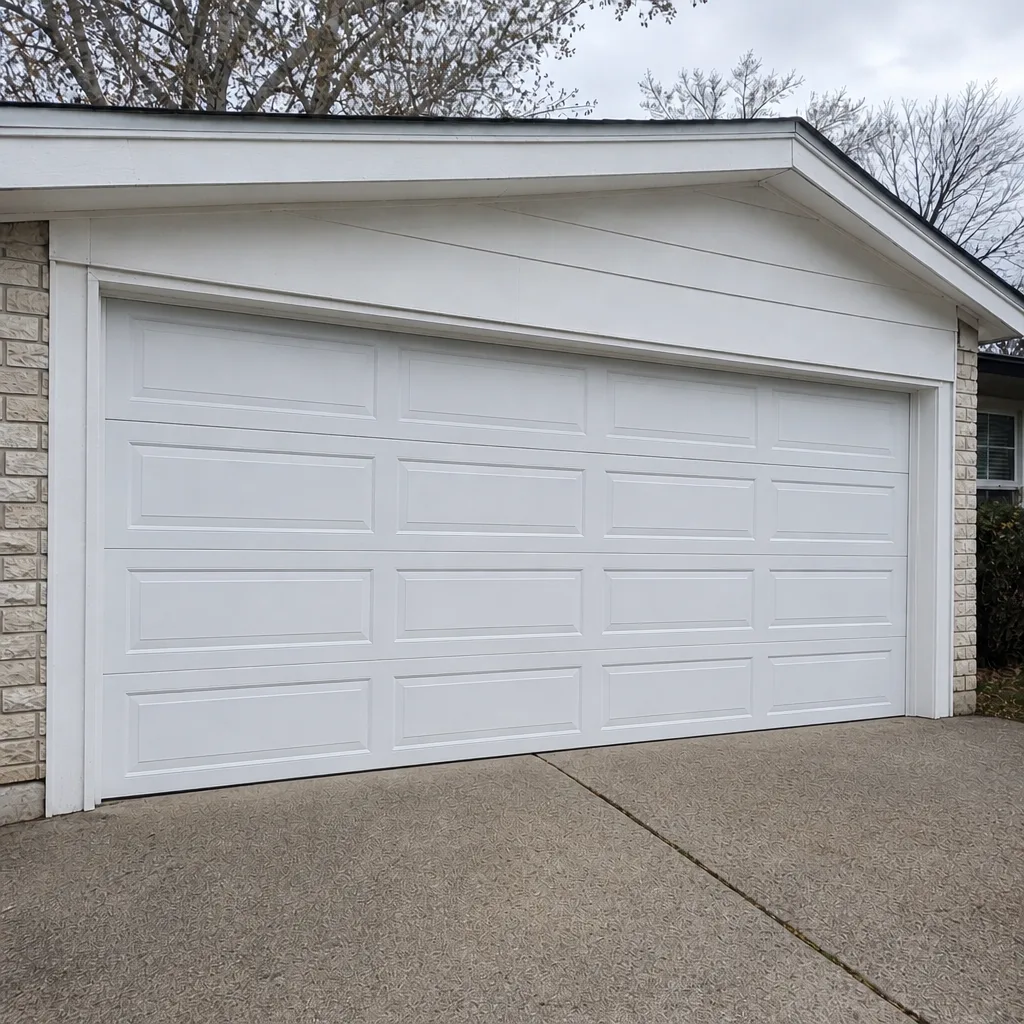 After
When to Call a Professional
Call a professional for anything involving springs, cables, electrical components or a track that’s been bent by impact. Call when the door is crooked, when a loud bang came from the garage, when the door reverses and won’t close, or when it suddenly feels too heavy to lift by hand. Call if your opener is a smart or connected system and it’s behaving erratically; those boards diagnose differently than legacy models. Call if your door’s the only entrance to the garage and you can’t risk a wrong repair. And call if you’re not sure which of the six categories you’re in. Garage Door Repair Princeton Heights offers free estimates in Princeton Heights – call (855) 799-9554. We answer 24/7. Fast dispatch from 7am to 7pm, Sunday through Friday, and the price is quoted and agreed before any work begins.
Frequently Asked Questions
A broken spring or a snapped cable is the most likely cause of a door that won’t lift at all, especially if there was a loud bang beforehand. Check for a visible gap in the torsion spring or a loose extension spring before assuming the opener failed. If the springs look intact, check the safety sensors and then the opener. Call (855) 799-9554 for an exact quote; estimates are free.
A door that reverses immediately is almost always a safety sensor issue – misalignment, a blocked beam, or dirty lenses. Confirm the indicator lights on both sensors are steady and that nothing is in the path. If the lights look right and the door still reverses, the opener’s down-limit or the sensor bracket needs adjustment. Call (855) 799-9554 for an exact quote; estimates are free.
Yes, it’s common here. Steel springs lose tension as temperatures drop, and wooden or steel panels shift slightly across the seasons. A door that feels sluggish in cold weather usually needs a proper adjustment, not a replacement. Report the seasonal pattern when you call; it’s a genuinely useful clue. Call (855) 799-9554 for an exact quote; estimates are free.
No. A torsion or extension spring stores dangerous energy even when the door is closed, and a mistake can cause a serious injury. This is the one part of a garage door that should always go to a trained technician with the right tools. Our technicians have up to 11 years of experience with both torsion and extension spring systems. Call (855) 799-9554 for an exact quote; estimates are free.
The written estimate sets the price, and the price is quoted and agreed before any work starts. We diagnose first, so the quote you receive reflects the actual fix and the part needed, not a guess. If the scope changes on-site, we discuss it with you before doing the work. Call (855) 799-9554 for an exact quote; estimates are free.
The local pro who performs the work is licensed and insured as their state requires, and we vet the professionals we connect you with. Our technicians have up to 11 years of experience across the major residential brands, including LiftMaster, Chamberlain, Genie, Clopay, Amarr, Wayne Dalton, Craftsman and Raynor. Call (855) 799-9554 for an exact quote; estimates are free.
The Bottom Line
Most Princeton Heights garage door problems come down to six systems, and reading the door correctly is the skill that saves the most time and money. Check the mechanics before the opener. Check the springs before assuming a motor failure. Use the safe diagnostics – cleaning sensors, listening, the balance check – and stop at the first sign of a broken spring, a frayed cable or a bent track. Describe the symptom accurately when you call, and a specialist arrives with the right part. Princeton Heights residents get a faster fix, a written price and no surprise invoice at the end. That’s the whole point of reading the door instead of just searching the symptom.
Call (855) 799-9554 for a free estimate. We answer 24/7. Fast dispatch from 7am to 7pm, Sunday through Friday. The price is quoted and agreed before any work starts.
Written by the team at Garage Door Repair Princeton Heights.