
Last updated November 21, 2026
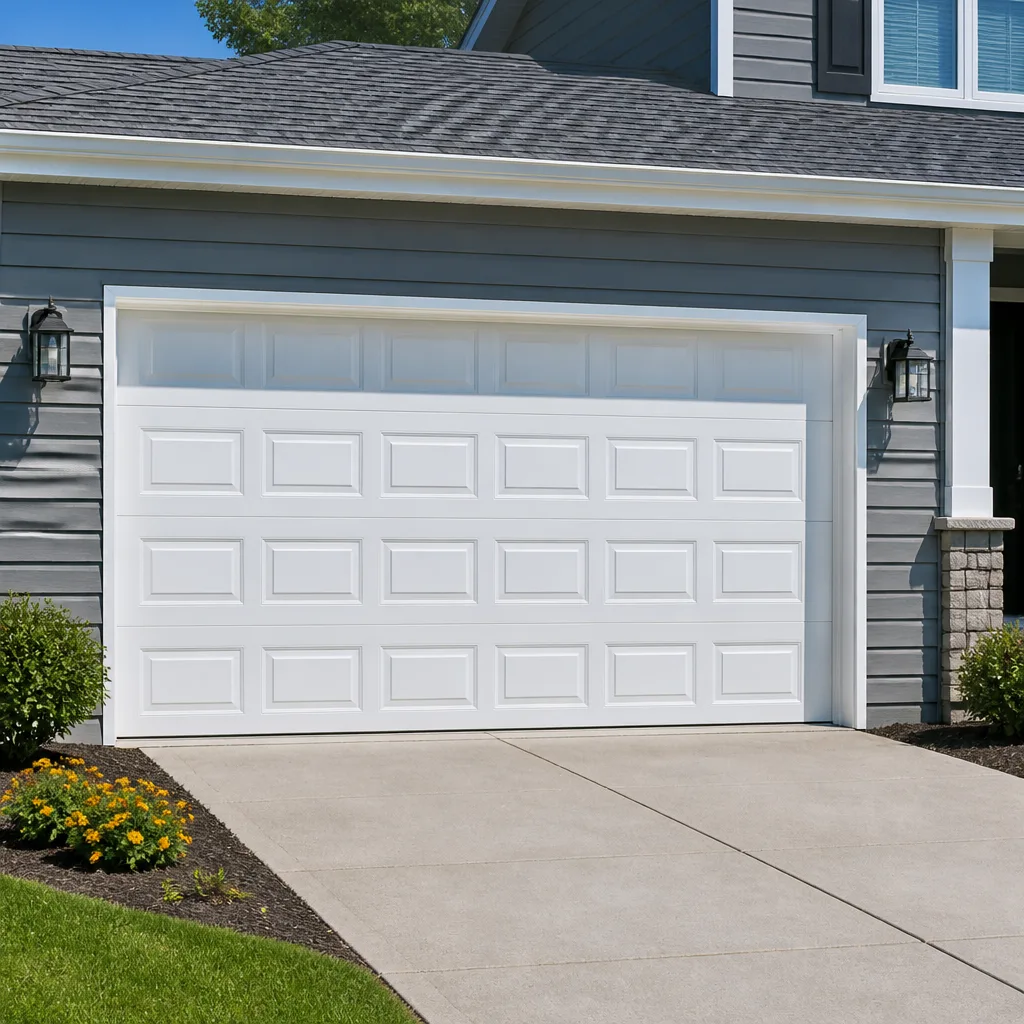 Raised-panel steel
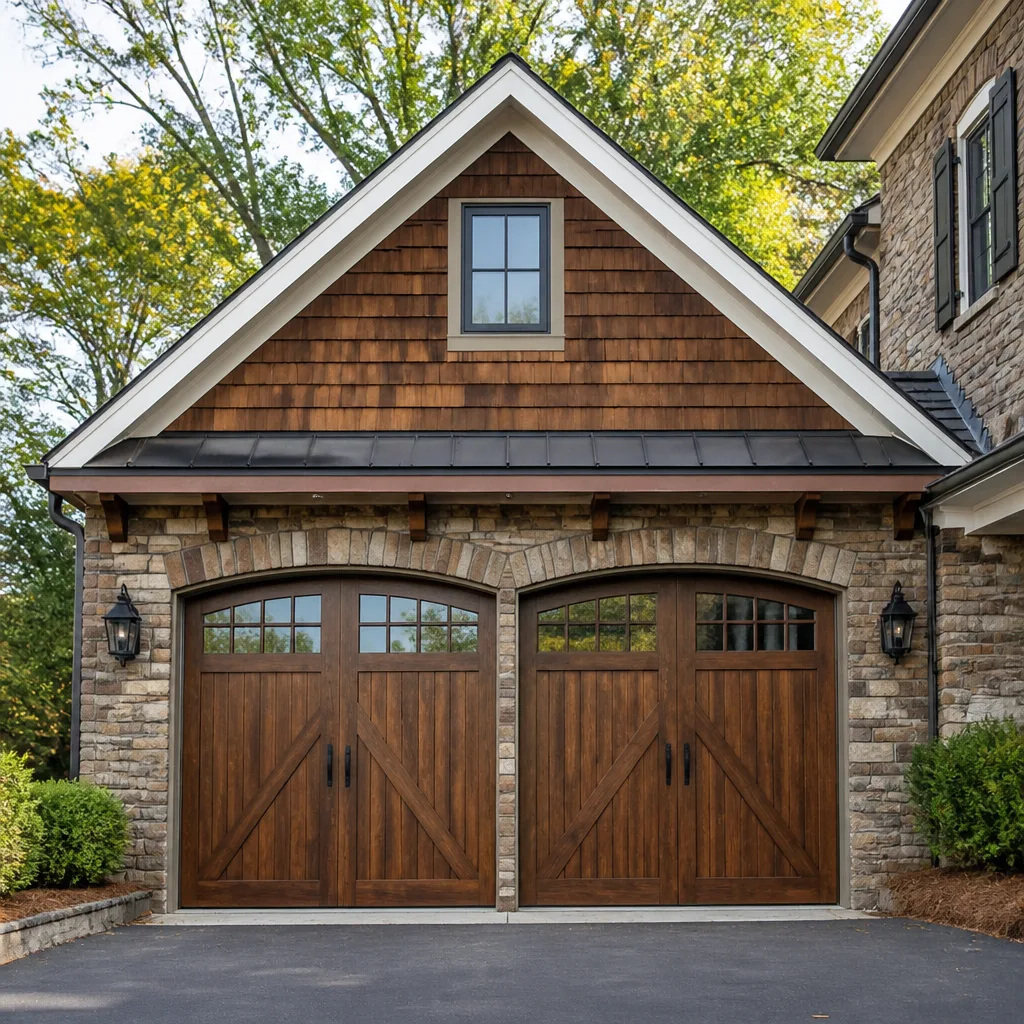 Carriage house
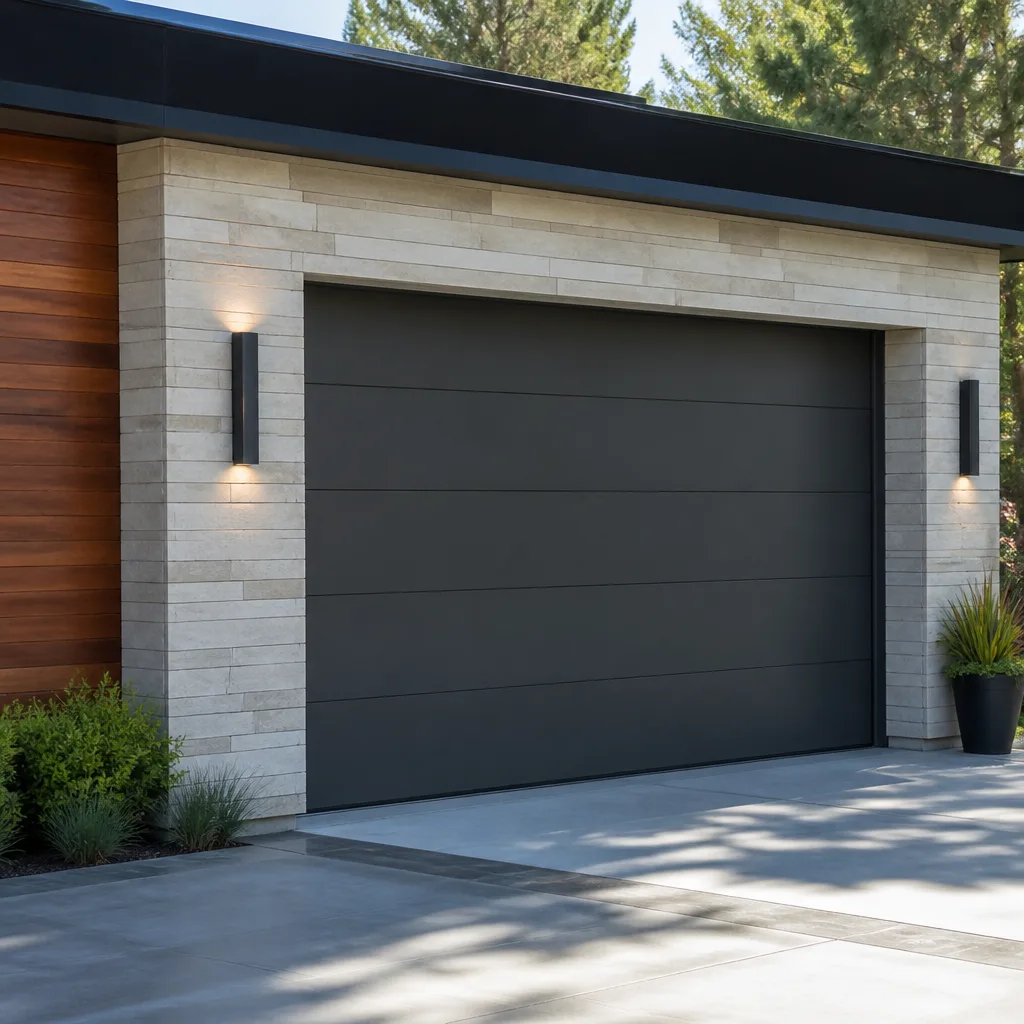 Modern flush
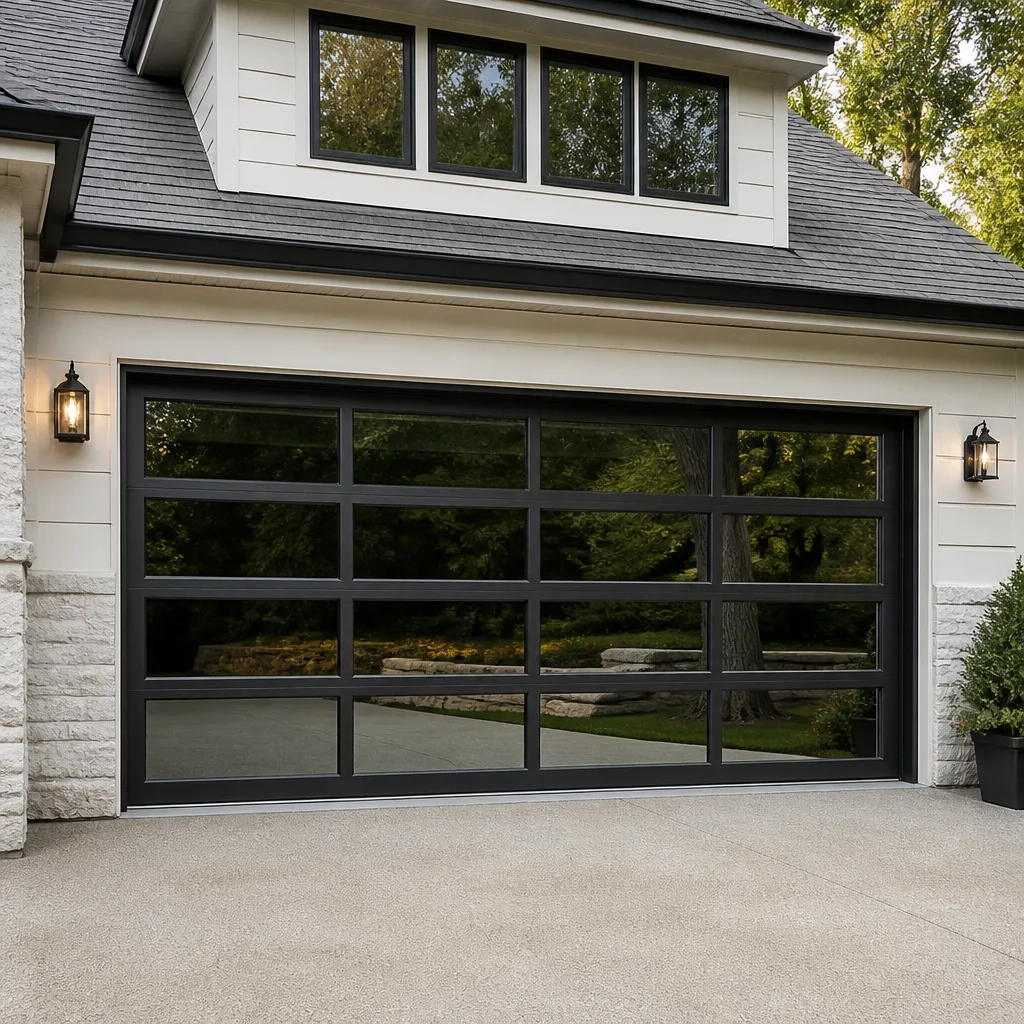 Full-view glass
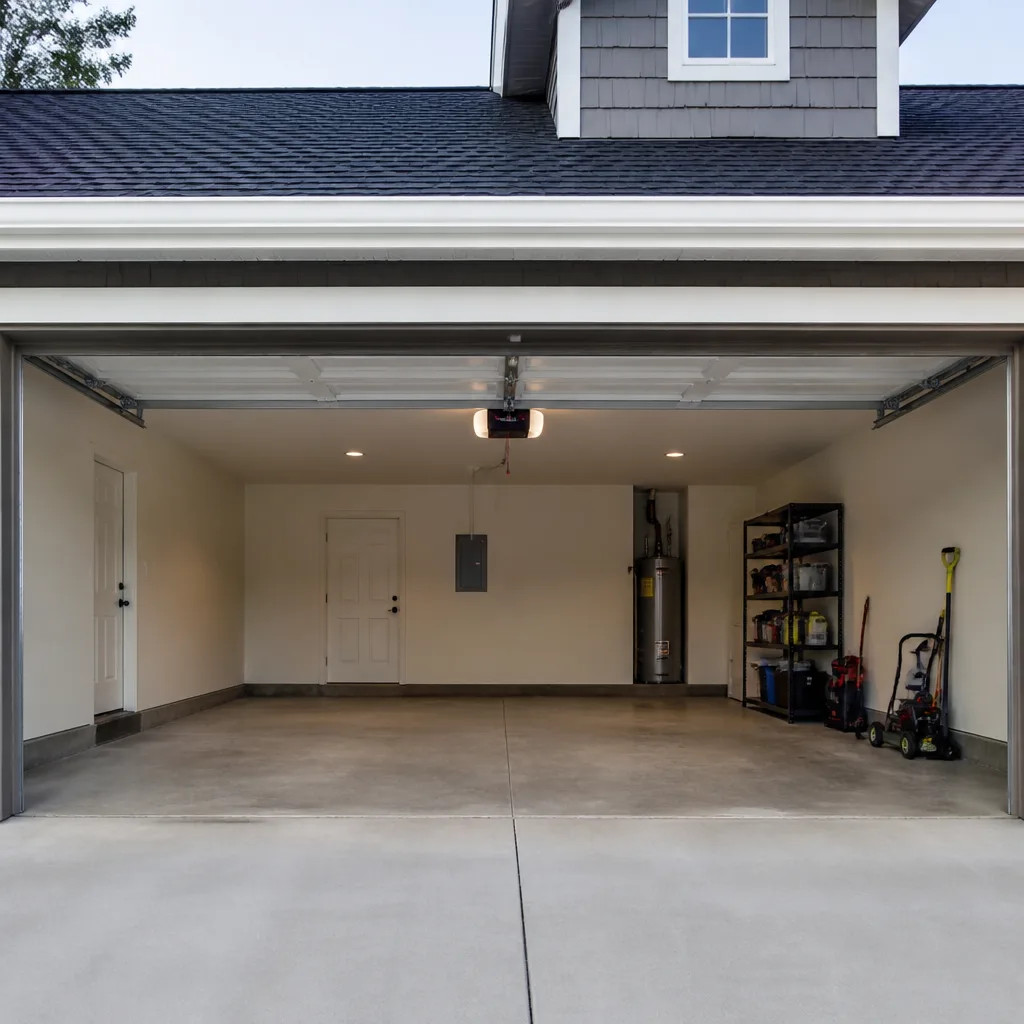 LiftMaster openers
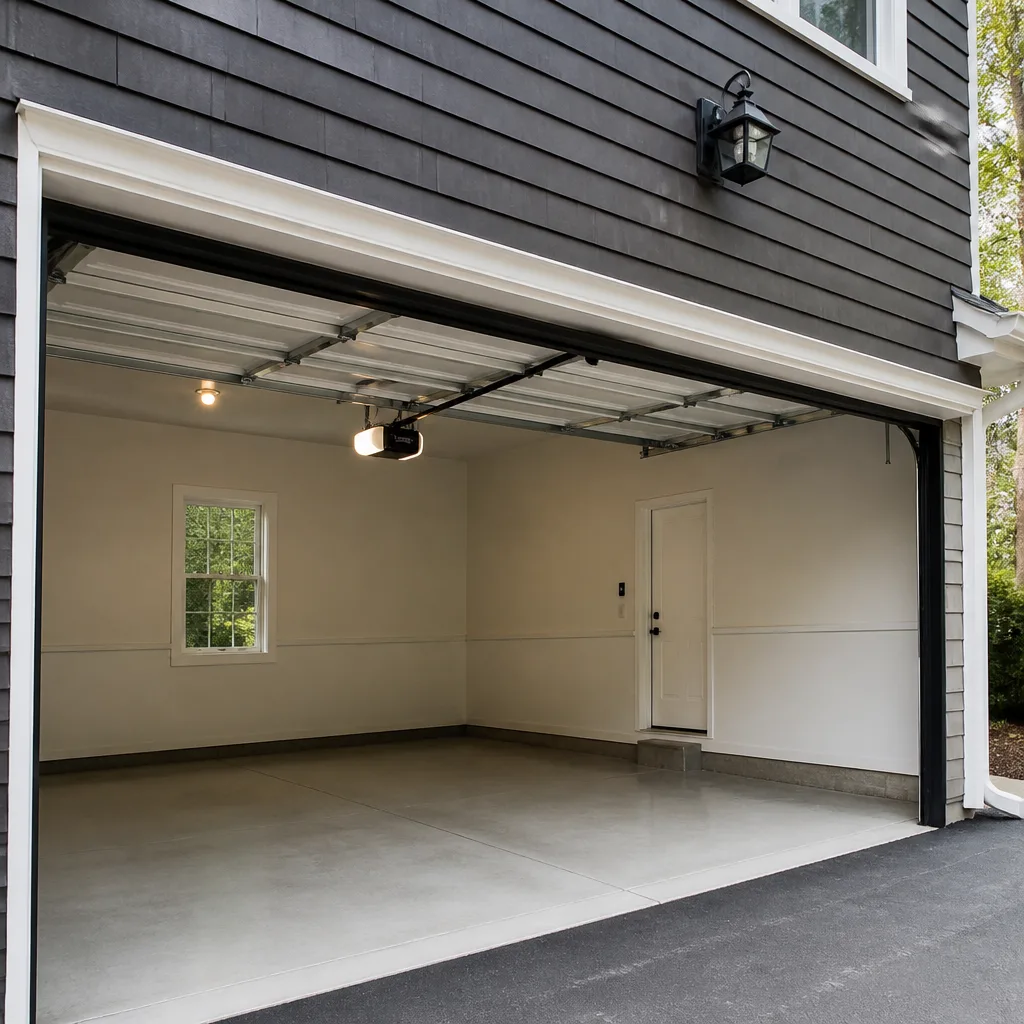 Chamberlain openers
Full 25-point door and opener safety check with every visit - springs, cables, rollers, tracks, and your LiftMaster or Chamberlain opener included
You get a price before we start. It does not change when the pro arrives.
Get your free estimateGarage Door Repair Maintenance Checklist for Princeton Heights Homeowners
The most common month for garage door spring failures in the St. Louis metro area is February. Not because springs age out in winter, but because they were stressed in November and nobody caught it. The first hard freeze puts a load on a spring that’s already been quietly weakening since summer, and by the time the temperature bottoms out, the coil lets go. A checklist that doesn’t account for that timing is just paperwork. This guide sequences maintenance around when failures actually happen in Princeton Heights, from the pre-winter lubrication window to the thaw-season cable inspection most homeowners skip. You’ll learn what’s genuinely DIY-safe, what isn’t, and how to read your door before it quits.
Quick Answer
A garage door maintenance checklist for Princeton Heights should be timed to Missouri’s temperature swings, not calendar quarters. The core routine: lubricate moving parts before the first freeze (November), test spring balance with a manual lift, inspect cables and weatherstripping at the thaw (March), and check opener force settings twice a year. Lubrication, balance testing, and weatherstripping inspection are homeowner-safe. Spring, cable, and opener gear work requires a technician.
Styles & brands we work with
- Raised-panel steel
- Carriage house
- Modern flush
- Full-view glass
- LiftMaster openers
- Chamberlain openers
Table of Contents
- Pre-Winter Lubrication: The November Protocol
- The Manual Lift Test: Checking Spring Balance Without Tools
- Cable Inspection Points Unique to Princeton Heights Doors
- Weatherstripping Failure and Concrete Floor Settling
- Opener Maintenance for LiftMaster, Chamberlain, Genie, and Craftsman Systems
- The March Thaw Inspection
- DIY-Safe vs. Technician-Only: What the Checklist Actually Covers
- A Season-by-Season Calendar for Princeton Heights
Pre-Winter Lubrication: The November Protocol
Lubrication in Princeton Heights isn’t a year-round habit; it’s a pre-winter deadline. Missouri winters regularly push temperatures below 20°F, and lubricants that flow fine in October turn gummy by January. The wrong product creates drag on the rollers and hinges exactly when the door needs to move freely. The right protocol is short, specific, and best done before the first sustained freeze.
Here’s what holds up below 20°F:
- Silicone-based spray lubricant on hinges, rollers, and bearing plates. It stays fluid in cold and won’t attract grit the way heavier grease does.
- White lithium grease on the opener’s rail and chain drive. It’s thick enough to stay put but doesn’t harden into a wax below freezing.
- Nothing on the torsion springs. Coated torsion springs should not be lubricated. Oil on a bare spring can trap dirt and, on some coated systems, degrade the coating.
What to avoid: WD-40 as a long-term lubricant (it’s a solvent, not a lasting lubricant), motor oil (too thin, runs off), and anything labeled “penetrating” rather than “lubricating.” A quick spray of the wrong product in November can mean a stiff door by February, and in Princeton Heights that’s when the phone starts ringing.
- Close the door fully and disconnect the opener (pull the release cord).
- Spray silicone lubricant on each hinge, roller stem, and bearing bracket. Wipe excess.
- Apply white lithium grease to the opener rail along its full length.
- Work the door open and closed by hand a few times to distribute the lubricant.
- Reconnect the opener and run it through two full cycles.
This takes about 20 minutes. It’s the single highest-value item on the whole checklist for Princeton Heights homeowners, because it directly addresses the load that builds up before February.
The Manual Lift Test: Checking Spring Balance Without Tools
Most homeowners never test their spring balance until the door feels wrong. By then, a spring has often already lost tension or failed. The manual lift test requires no tools and tells you in under a minute whether your springs are doing their job.
How the Manual Lift Test Works
- Close the door and pull the red release cord to disconnect the opener.
- Lift the door by hand to about waist height.
- Let go. A properly balanced door stays roughly where you left it. It should neither drop nor rise on its own.
- Lift the door to shoulder height and repeat. Same expectation.
- If the door sinks or slams down, the springs are under-tensioned. If it climbs on its own, they’re over-tensioned.
A door that won’t hold position is a door whose springs need professional adjustment. This is a read-only test; don’t try to correct the tension yourself. Torsion springs on most Princeton Heights doors are wound to hundreds of pounds of force, and adjusting them is the single most dangerous task in the trade. Have a technician handle it.
For homeowners in Princeton Heights with older Craftsman or Wayne Dalton openers, this test is doubly worth doing. Those systems sometimes mask a weakening spring by brute-forcing the door open, which accelerates opener wear. A balanced door takes the load off the opener motor. If you’re noticing the opener straining, that’s also a reason to look at garage door opener repair before the motor fails entirely.
Cable Inspection Points Unique to Princeton Heights Doors
Cables run along the sides of the door, spooling on drums at the top corners. A frayed cable is a door waiting to drop. Princeton Heights has a large share of attached garages built during the mid-century ranch-home boom, and those layouts often place the cable runs close to the door frame and surrounding structure. That means cable wear here tends to show up in spots a generic checklist won’t tell you to look.
Where to look, and what to see:
- The drum wrap. Cables should wind evenly across the drum. Crossed or overlapping wraps mean the cable has jumped, and it’s a failure waiting to happen.
- The bottom bracket. This is where cables are most likely to fray in warmer months, since the bracket sits low where moisture and floor grit collect.
- The mid-door run. Slide your eyes along the full cable. Frayed strands, kinks, or flat spots mean replacement, not adjustment.
- Rust at the attachment points. In Missouri humidity, cable ends can corrode before the cable itself shows wear.
If the cable is visibly frayed, do not operate the door. A snapped cable can whip with serious force, and on many Princeton Heights doors the cable lives inside the same track area as the moving door. Call a technician for inspection and replacement. Cable work and spring work often get done together, and we handle both because the two systems share the same load.
Weatherstripping Failure and Concrete Floor Settling
Weatherstripping is the rubber or vinyl seal along the bottom of the door and around the frame. When it fails, you get drafts, water intrusion, and pests, and in Princeton Heights’s climate, a failed bottom seal is a real energy problem. The interesting part is why it fails here.
Older Missouri ranch homes, which make up a good portion of Princeton Heights housing stock, frequently have garage slabs that have settled over time. Concrete doesn’t stay level the way it was poured. When the slab settles, you get a gap under one corner of the door, and the weatherstripping at that corner wears out faster than the rest of the seal. The rest of the strip can look fine while one end is shot.
How to inspect for settling-related seal failures:
- Close the door and look for daylight at any point along the bottom seal.
- Run a flashlight along the seal from inside, watching for gaps that show as light beams on the floor.
- Press the seal in several spots. It should be soft and spring back. Hard, cracked, or flattened sections need replacement.
- Check the corner where the slab appears lowest; that’s where settling-related wear shows first.
A new bottom seal is one of the few genuinely DIY-friendly garage door jobs, but if the door itself sits unevenly because the slab has moved, the seal replacement won’t fix the gap. That’s a case for a technician to check the door’s alignment and the bottom bracket setting.
Opener Maintenance for LiftMaster, Chamberlain, Genie, and Craftsman Systems
Your opener is the part of the system most likely to communicate its own problem before it dies. Learning to read its signals saves you a repair. We work across eight of the most widely installed opener and door brands, and the maintenance basics carry across LiftMaster, Chamberlain, Genie, and Craftsman systems the same way.
Here’s the twice-a-year opener checklist:
- Test the force settings. Most openers have a force adjustment that controls how hard the motor pushes. If the door reverses unexpectedly or slams down, the force setting is wrong. Don’t crank it up to mask a problem; find out why the door needs more force.
- Test the safety reverse. Place a 2×4 flat on the floor under the door and close it. The door should reverse on contact. If it doesn’t, the opener needs adjustment before it’s used.
- Check the safety sensors. The small photo-eye sensors near the floor should have steady (not flickering) indicator lights. Wipe the lenses; Missouri dust and pollen build up on them.
- Listen for the motor. Grinding, clicking, or a strained hum means it’s time for garage door opener repair, not a new opener.
- For Wi-Fi and app-connected openers, check that the app still reports door status correctly. A disconnected opener can still operate, but you lose the ability to verify the door is closed remotely.
If your opener is a modern smart system and the app has stopped responding, that’s often a minor board or sensor issue rather than a full failure. Our technicians work on both legacy and connected systems, so we diagnose the actual fault instead of quoting a whole replacement. If the opener’s fine and the door’s the problem, the next step is garage door repair.
The March Thaw Inspection
February is when springs fail. March is when the damage from winter becomes visible. The freeze-thaw cycle that defines the end of winter in Princeton Heights loosens hardware, opens small gaps, and leaves grit and moisture in the places that cause next season’s failures.
March inspection priorities:
- Re-check the cable runs. Winter contraction and spring expansion can expose a cable that looked fine in November.
- Tighten all visible hardware. Hinges, brackets, and track bolts loosen with temperature cycling. Check them by hand and re-tighten with a wrench.
- Clean the tracks. Use a damp cloth, not a wet hose. Built-up grit is the number-one cause of door binding, and binding accelerates roller wear.
- Test the balance again. The manual lift test tells you whether one spring has lost tension over the winter.
- Check the weatherstripping. The thaw often reveals a bottom seal that’s been worn through.
In Princeton Heights, the March inspection is also the right time to look at the door’s paint and finish if it’s a wood door. Missouri’s freeze-thaw cycle splits finish and lets moisture in, which is why wood doors here last longer with a spring repaint than a summer one. If your finish has failed beyond repainting, it may be time to look at garage door installation.
DIY-Safe vs. Technician-Only: What the Checklist Actually Covers
Most garage door maintenance is safe to do yourself. A few items look equally simple but are the most dangerous work in the trade. Knowing the line matters.
DIY-safe items:
- Lubricating hinges, rollers, and the opener rail
- Wiping tracks clean
- Running the manual lift test
- Testing the safety reverse with a 2×4
- Wiping sensor lenses
- Replacing a bottom weatherstripping seal
- Tightening visible bolts by hand
Technician-only items:
- Adjusting or replacing torsion and extension springs
- Replacing cables and drums
- Adjusting opener force settings when the door still strains after adjustment
- Replacing opener gears, logic boards, or sensors
- Correcting door alignment when the slab has settled
- Any work on the bottom brackets that hold the cables
The split isn’t about difficulty. It’s about stored energy. Springs, cables, and the brackets that hold them are under continuous tension, and a mistake can release that energy in a fraction of a second. A technician makes up their mind to handle it based on knowledge of the system, not a YouTube tutorial. This is why we treat spring repair and cable work as core services rather than referrals: it’s work that demands the right tools and a trained hand.
If your door is struggling and you’re not sure which list the problem falls on, the safest move is to have a technician look at it. A quick call and a free estimate will tell you whether the fix is a seal replacement or something more involved.
A Season-by-Season Calendar for Princeton Heights
Here’s the checklist in the order the seasons actually deliver the problems, not the order the calendar delivers the quarters.
November (before first hard freeze):
- Lubricate all hinges, rollers, and bearing brackets with silicone spray
- Grease the opener rail with white lithium
- Run the manual lift test and note any weakness
- Inspect cables for fraying
- Test the safety reverse
February (peak failure window):
- Re-run the manual lift test
- Check for unusual noise on opening and closing
- Watch for opener strain
March (thaw):
- Cable inspection
- Track cleaning
- Hardware tightening
- Weatherstripping check
- Balance test
May and September (mild-weather tune-ups):
- Second lubrication of the year
- Opener force and sensor check
- Battery test on connected openers and remotes
- Paint and finish inspection (wood doors)
Two extra bullets worth remembering in Princeton Heights: after any major storm, check the tracks for dents or misalignment, and after a long stretch of dry weather, look for dirt build-up on the tracks, because it can bind a door that was running smoothly a month earlier. If something feels off and you’d rather have eyes on it, our garage door repair Princeton Heights service starts with a free estimate and a written price.
Common Mistakes to Avoid
- Lubricating springs. Torsion springs should stay dry. Oil attracts grit and can degrade some coatings, which is the opposite of what you want going into a Missouri winter.
- Using WD-40 as your main lubricant. It’s a penetrating solvent and displaces moisture, but it doesn’t provide lasting lubrication. It’s the wrong product for the job and leaves hinges dry within weeks.
- Repeatedly bumping up the opener force setting. If the door needs more force, something is wrong. Turning the setting higher masks a dragging door and shortens opener life.
- Skipping the manual lift test after the first cold snap. A door that felt balanced in October can be weak by December. The November test is the baseline; the February test catches the drift.
- Replacing a bottom seal without checking for slab settling. In older Princeton Heights ranch homes, the seal wears on one corner first because the floor has moved. A new seal will just wear out again if the underlying alignment isn’t corrected.
- Ignoring a frayed cable until it snaps. A frayed cable is a warning, not a cosmetic issue. Once strands separate, the cable can fail under load.
- Attempting spring adjustment because a video made it look easy. The video ends before the mistakes. Springs, cables, and bottom brackets are the three jobs that genuinely require a technician.
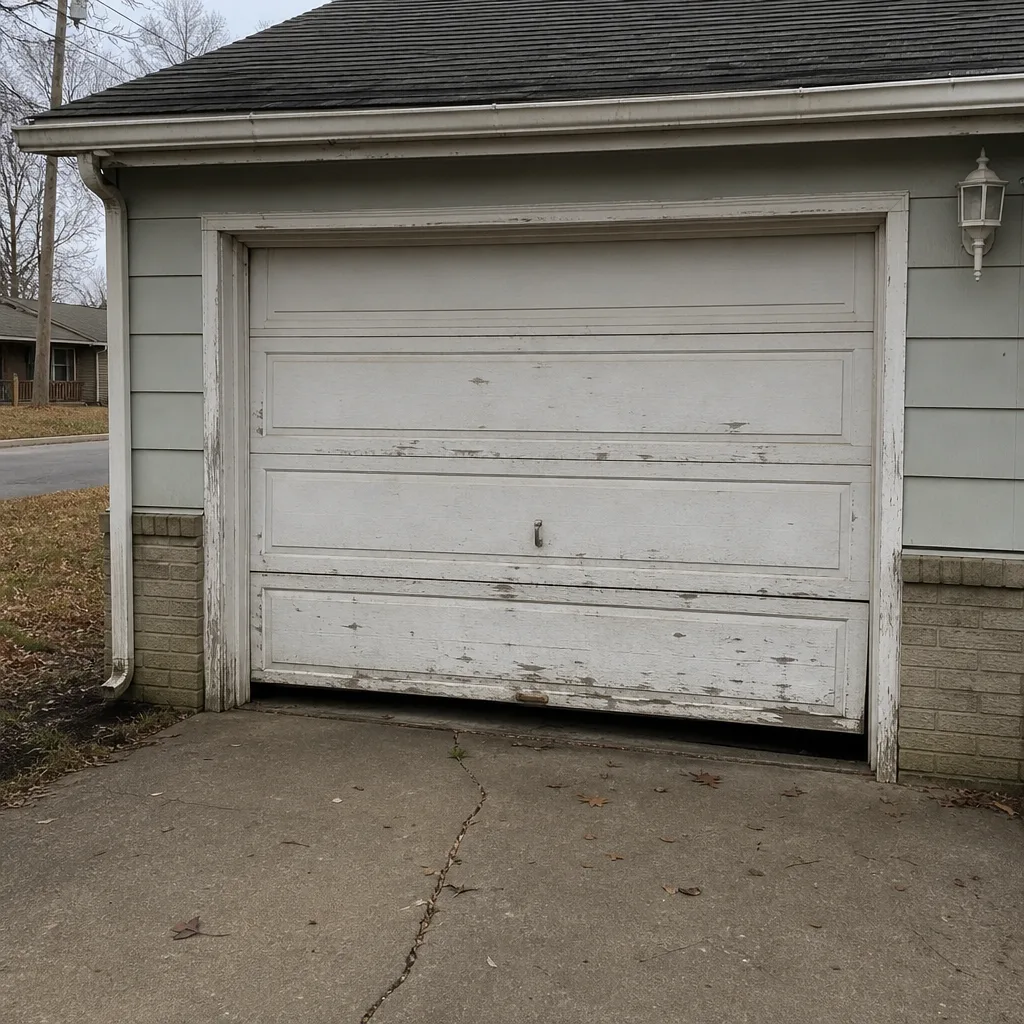
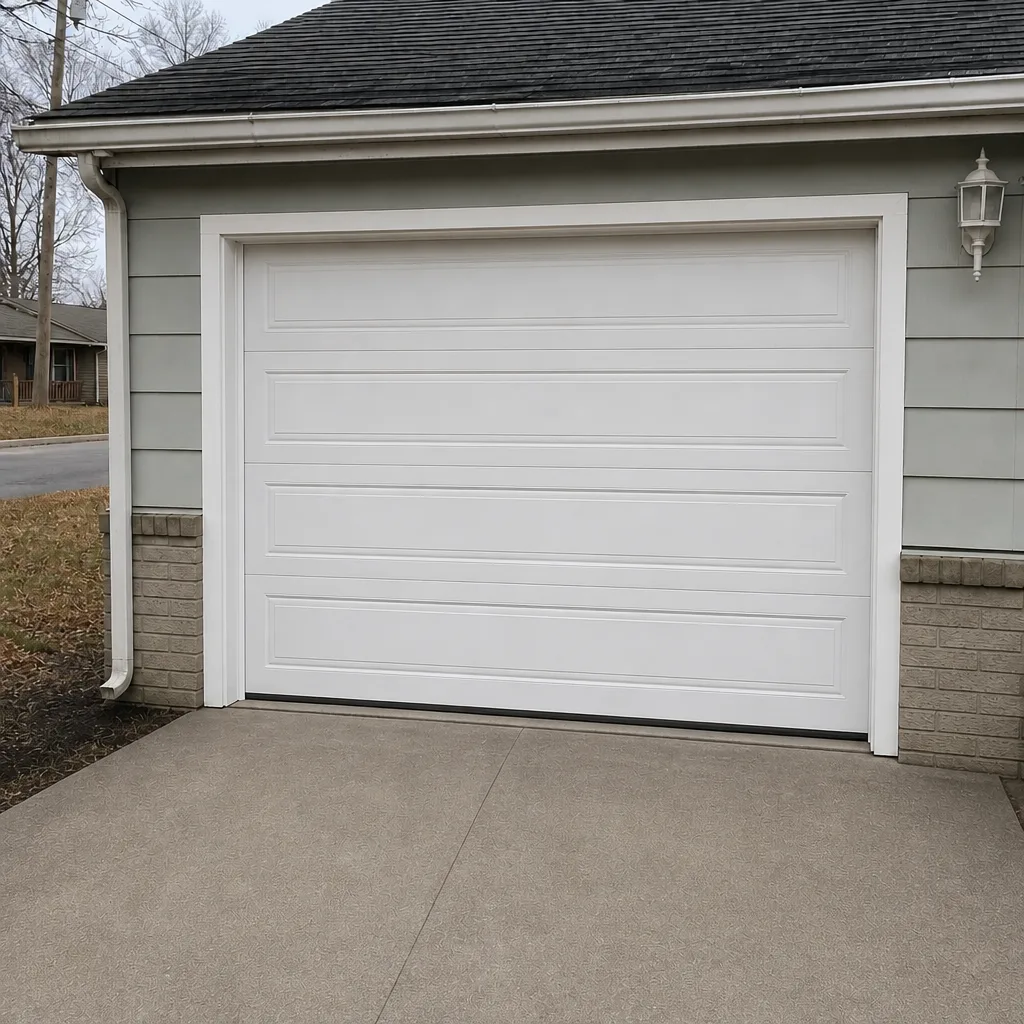
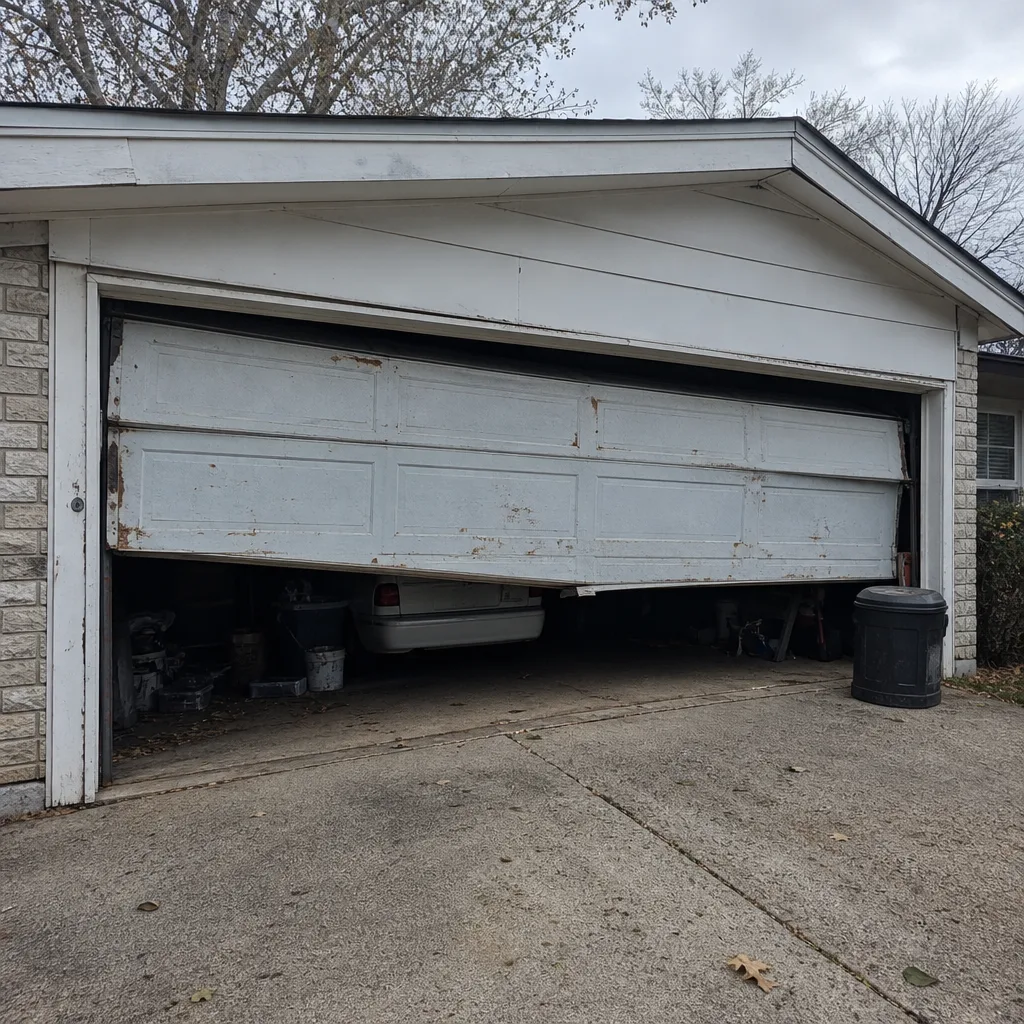
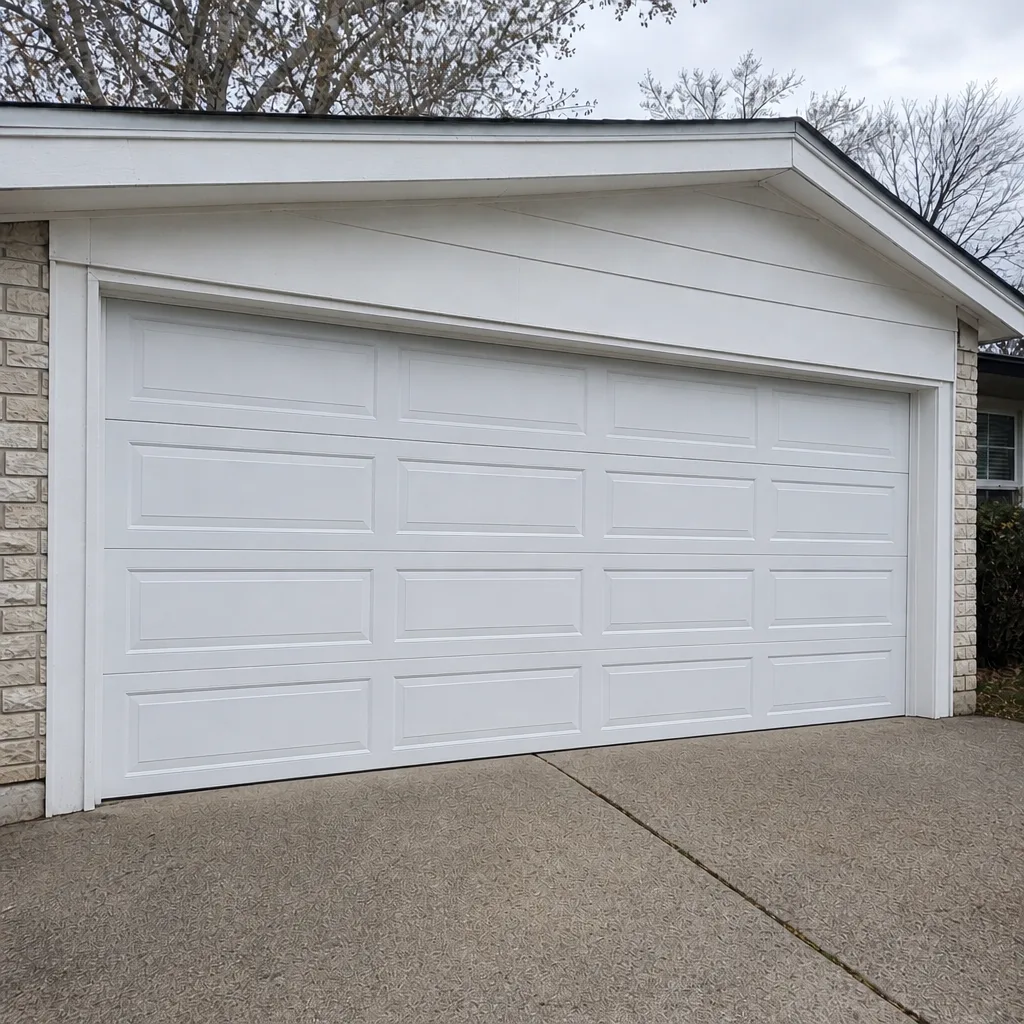
See the difference
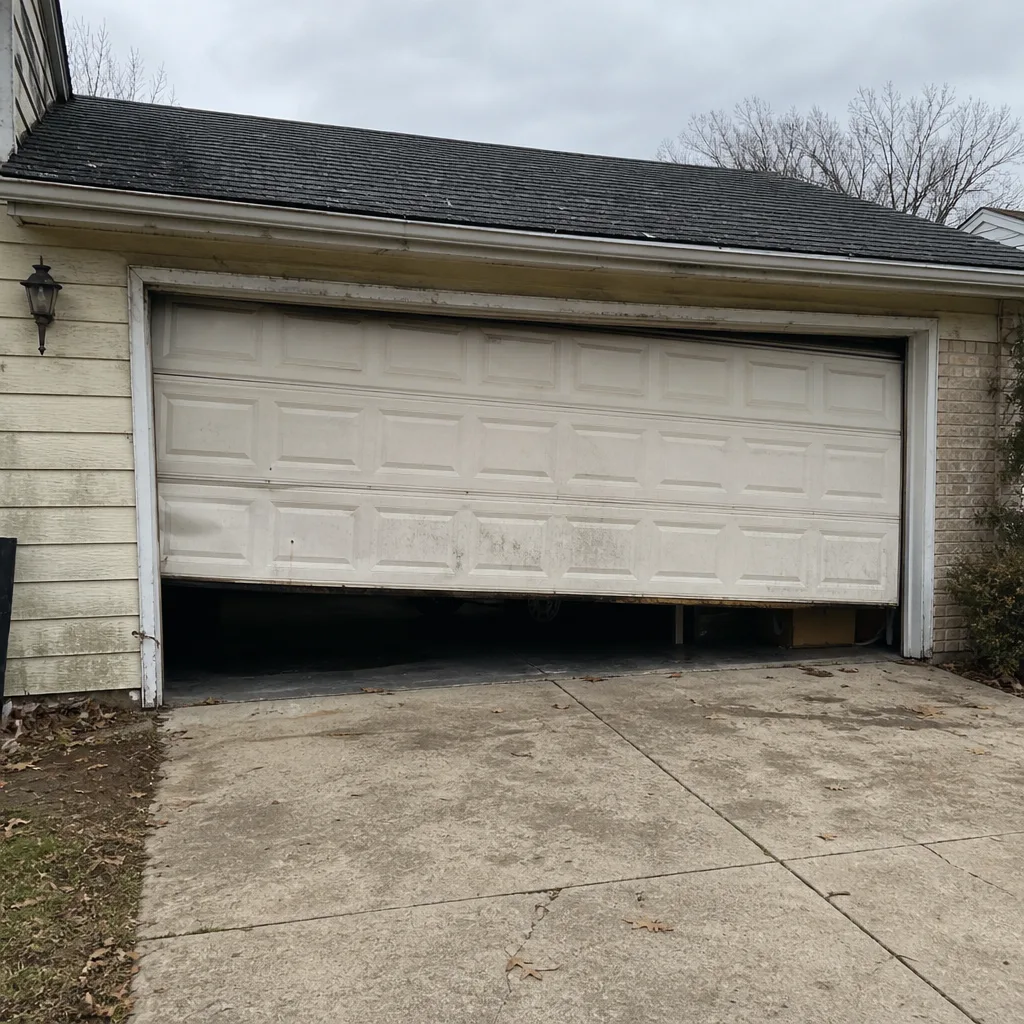 Before
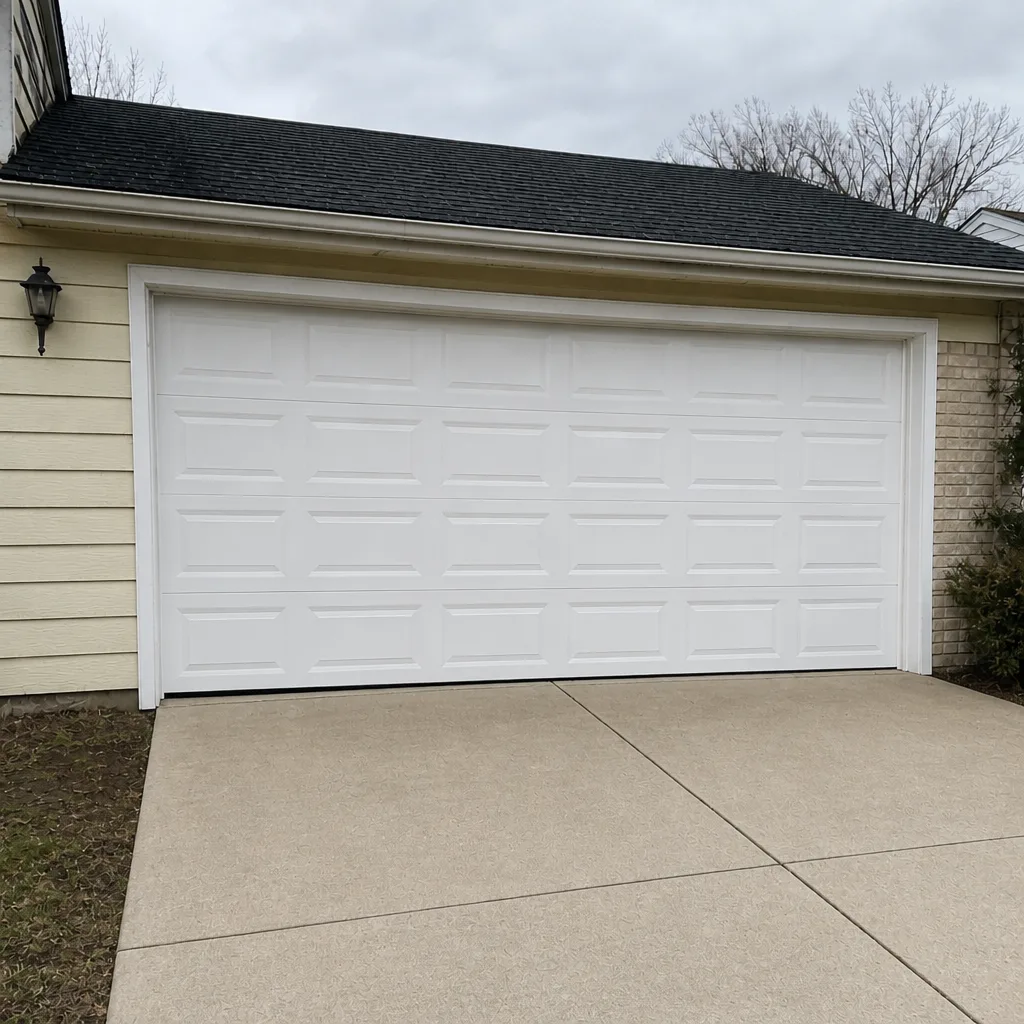 After
 Before
 After
 Before
 After
When to Call a Professional
Call a professional when the manual lift test fails, when a cable is frayed or kinked, when the door slams down or reverses on its own, when the opener strains after a lubrication and balance check, or when weatherstripping gaps point to slab settling. Those conditions are the system telling you that a stored-energy component has moved out of spec, and no amount of DIY adjustment fixes it safely. Garage Door Repair Princeton Heights offers free estimates in Princeton Heights. Call (855) 799-9554 to book one.
If you’re planning a new door, we can walk you through the tradeoffs between Wayne Dalton, Clopay, and Amarr options and quote a written price before any work is scheduled. The price you’re quoted is the price you pay, and it’s set before work starts.
Frequently Asked Questions
Pre-winter lubrication in November is the single highest-value item for Princeton Heights homeowners. Missouri temperatures regularly dip below 20°F, and the wrong lubricant or no lubricant at all causes hinges and rollers to drag exactly when the door’s springs are already under added load. Twenty minutes in November prevents most of what February brings.
Twice a year is right for this climate: once in November before the first hard freeze, and once in May or September during milder weather. Use a silicone-based lubricant on hinges and rollers and white lithium grease on the opener rail. Never lubricate torsion springs.
No. Torsion and extension springs are under hundreds of pounds of stored force, and the injury risk from a mistake is serious. Spring replacement should always be done by a trained technician. We handle spring repair directly because it’s the most safety-critical work in the trade.
If the opener are noisy, strained, or intermittent while the door itself moves freely when disconnected, repair is usually the answer, not replacement. We diagnose and fix openers from LiftMaster, Chamberlain, Genie, and Craftsman systems, including smart and Wi-Fi-connected models, and only recommend replacement when the motor or controller has actually failed.
Every job is quoted on the written estimate before work begins. That means the price you’re given before we start is the price you pay, with no surprises. Call (855) 799-9554 for a free estimate and a written quote.
Often yes, especially in older Princeton Heights ranch homes. Concrete slabs settle, and the seal at the corner where the floor is lowest wears faster than the rest of the strip. Check for daylight at the corners, not just under the middle. If the gap is caused by an uneven door, seal replacement won’t fix it.
The Bottom Line
The garage door maintenance checklist that works for Princeton Heights is the one timed to Missouri’s actual failure patterns: lubrication in November, manual lift testing after the cold snap, cable inspection at the thaw, and a light tune-up twice more. Lubrication, balance testing, weatherstripping replacement, and sensor checks are homeowner-safe. Spring, cable, and opener gear work is technician work, no matter how simple a video makes it look. Our technicians have up to 11 years of experience across LiftMaster, Chamberlain, Genie, Clopay, Amarr, Wayne Dalton, Craftsman, and Raynor systems, and we handle spring repair, opener repair, installation, and parts under one roof. Call (855) 799-9554 for a free estimate. We answer 24/7. Fast dispatch from 7am to 7pm.
Written by the team at Garage Door Repair Princeton Heights.