
Last updated November 21, 2026
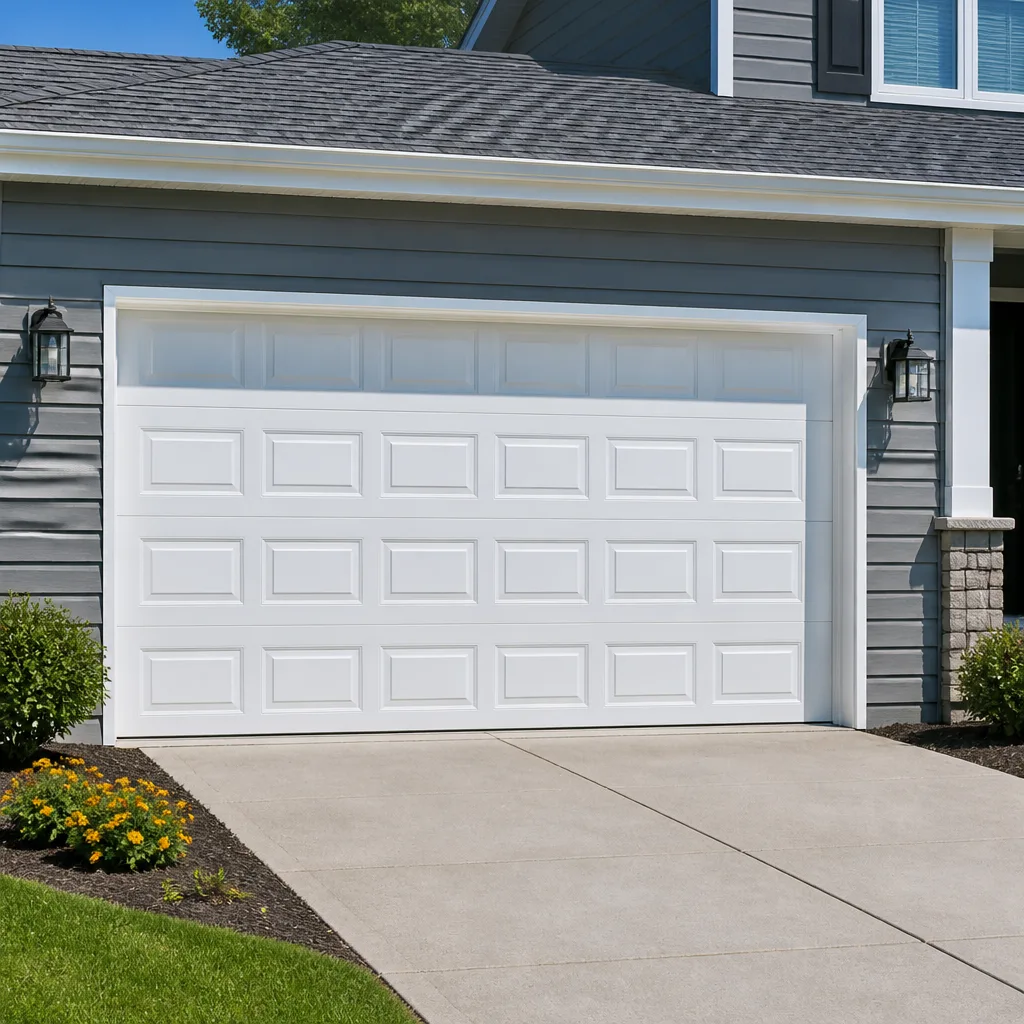 Raised-panel steel
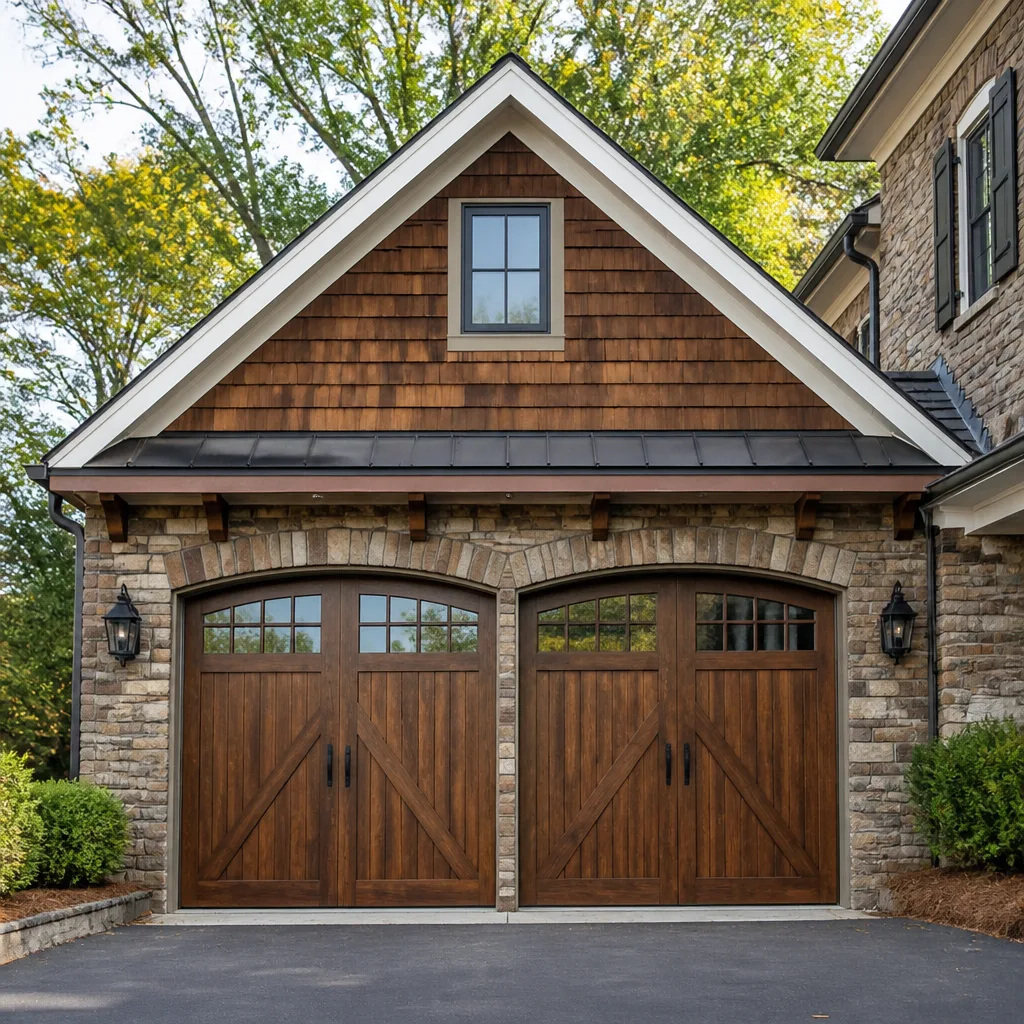 Carriage house
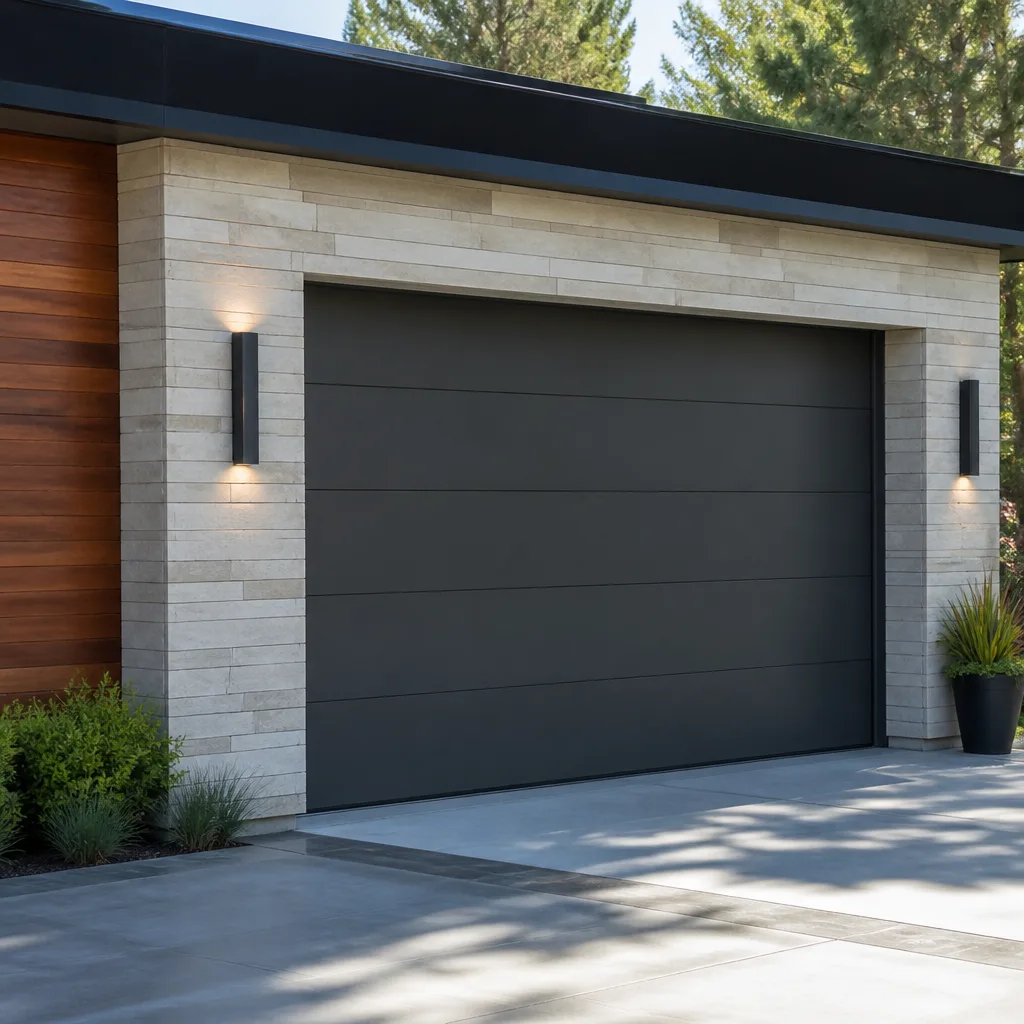 Modern flush
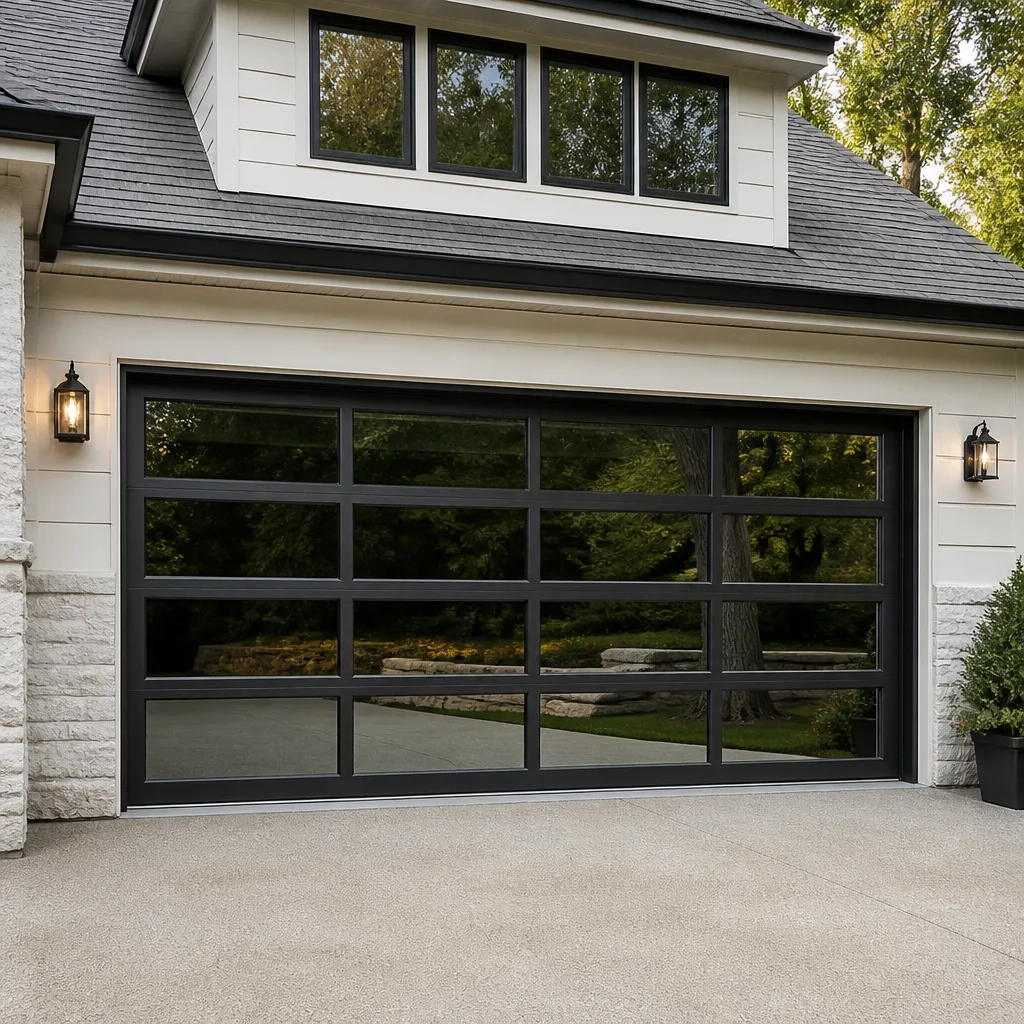 Full-view glass
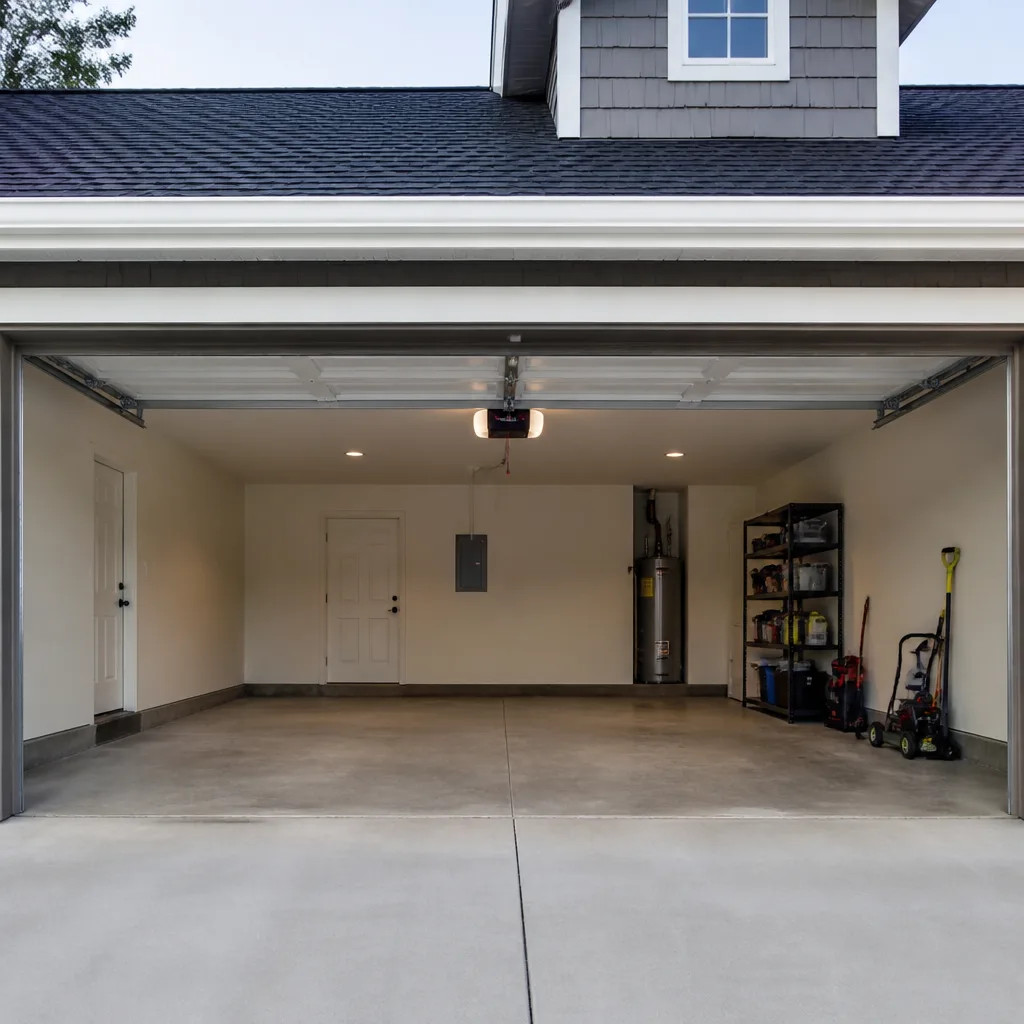 LiftMaster openers
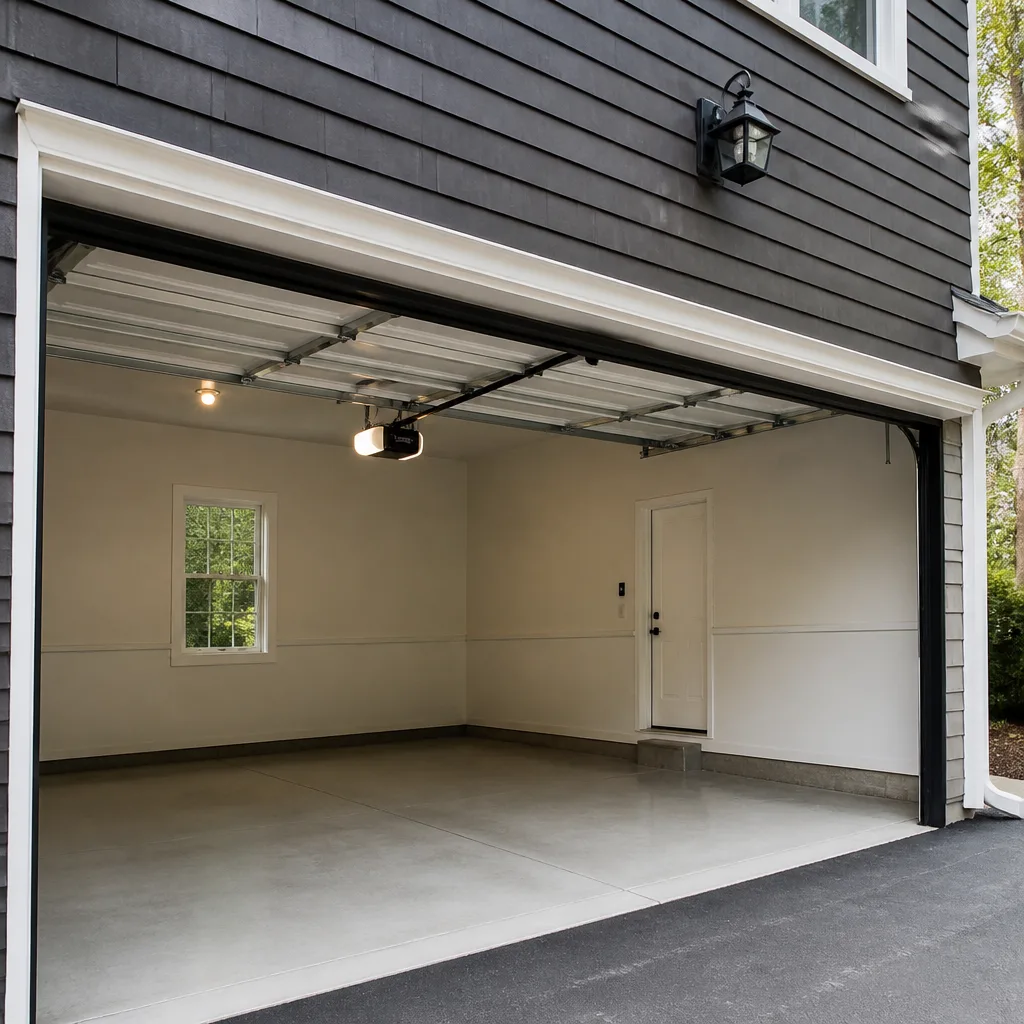 Chamberlain openers
Full 25-point door and opener safety check with every visit - springs, cables, rollers, tracks, and your LiftMaster or Chamberlain opener included
You get a price before we start. It does not change when the pro arrives.
Get your free estimateGarage Door Emergency Preparedness Guide for Princeton Heights Homes
Most garage door advice you’ll read online is written for a door that fails on a mild afternoon when you have nowhere to be. That’s not how it usually happens in Princeton Heights. It happens on a February morning when the temperature hasn’t climbed out of the teens and the door won’t budge, or after a storm rolls through and pushes a track out of line, or on a school morning when a torsion spring lets go and the car is trapped inside. A torsion spring failure doesn’t just stop the door; it takes away the counterbalance that makes the door liftable at all. The door’s own weight works against you. This guide walks you through what to know and do before those moments, so you’re not figuring it out in the driveway with your phone in one hand.
Quick Answer
A garage door emergency in Princeton Heights is handled in a set order: make sure no one is under or near the door, don’t force anything, use the correct manual release for your opener type if you need to get a car out, then secure the door and call a specialist. The two mistakes that turn a repair into a bigger job are pulling the emergency release while the door is under load and forcing a stuck door up or down. Know your release procedure and your door’s condition before a failure happens, and the emergency itself becomes a controlled situation rather than a scramble.
Styles & brands we work with
- Raised-panel steel
- Carriage house
- Modern flush
- Full-view glass
- LiftMaster openers
- Chamberlain openers
Table of Contents
- Know Your Door Before It Fails
- The Manual Override Procedure That Actually Works
- How to Secure a Door That’s Stuck Halfway Up
- Storm Damage: Reset a Bent Track or Replace It?
- When a Cable Snaps and the Door Drops
- How to Vet an Emergency Service Call in the St. Louis Area
- Prevention: What Actually Prevents Failures
Know Your Door Before It Fails
You can’t troubleshoot a system you haven’t looked at. A few minutes spent understanding what’s in your garage now saves real time when something breaks. Princeton Heights homes carry a mix of door types, and the assemblies behind them differ in ways that matter in an emergency.
Start with the counterbalance system. Most residential doors use one of two:
- Torsion springs. A horizontal shaft mounted above the door, usually with one or two springs wound onto it. These carry the door’s weight through cables and drums at each end.
- Extension springs. Springs mounted along the horizontal tracks on each side, stretching and contracting as the door travels.
Then identify your opener. The emergency release you’ll use depends on whether you have a chain-drive, belt-drive, or screw-drive unit, and whether it’s a smart or app-connected model. The brands we work on most in Princeton Heights homes are LiftMaster, Chamberlain, Genie, and Craftsman, and each has its own release handle location and cord arrangement. If your opener is a modern Wi-Fi or app-connected unit, the physical release handle still matters; the app won’t override a mechanical problem.
Look at the door panels too. A Clopay or Amarr steel door with a bent bottom section behaves differently from a wood or composite door when a track is out of line. Knowing the material helps you judge how much force a component can take before it deforms. Finally, find your door’s warning label and note the brand. That label is the fastest way to tell a technician exactly what system they’re dealing with when you call.
This is also a good time to walk your tracks and cables by eye. Look at the springs for daylight through the coils, the cables for frayed strands, and the tracks for bends or loose brackets. Fixing what’s already visible is cheaper and calmer than fixing it mid-emergency. Our Garage Door Repair Princeton Heights team can do a full inspection if you’d rather have trained eyes on it.
The Manual Override Procedure That Actually Works
Here’s the part that startles most homeowners: when a torsion spring breaks, the door effectively weighs hundreds of pounds with no mechanical advantage. You cannot safely lift it by hand alone. But you can – and should – learn to operate the manual release the right way, because doing it wrong under load is how cables derail and panels buckle. The release takes about 30 seconds to learn.
Every opener has a release mechanism, usually a red handle on a cord hanging from the rail near the door. When you pull it, the carriage disconnects from the drive belt or chain, and the door travels on its springs and tracks alone. That’s exactly why you must not pull it when the door is under stress.
Follow this order:
- Close the door fully first if you can. A closed door is in its most stable position. If the door is already up, lower it only if it moves freely and nothing is in the way. If it won’t move smoothly, don’t force it.
- Make sure no one is standing under the door. Springs and cables store energy. A release under load can snap a cable or drop a section.
- Pull the release cord straight down, not at an angle. An angled pull can bend the release arm or jam the carriage on the rail.
- Lift the door slowly and evenly with two hands, close to the center. Feel for resistance. If it fights you, stop. The door may have more than one problem.
- Afterward, reconnect the carriage properly before using the opener again. Most openers have a reconnect procedure; forcing the carriage back onto the rail by hand can strip the drive.
The one mistake that causes cable derailment: pulling the release while the door is partially open and under load, then letting it slam or forcing it. That can push a cable off its drum on a torsion system or throw an extension spring out of its track. If it happens, stop and call. The best sequence, if you’re unsure, is to leave the door where it is and get a technician to release it safely. Our technicians have up to 11 years of experience with exactly this kind of unstick, and we handle garage door repair on every major brand.
How to Secure a Door That’s Stuck Halfway Up
A door stuck halfway up overnight is the scenario most guides skip. It’s also the one that creates real security exposure in Princeton Heights, because a half-open door advertises an empty or inattentive home. You need three things: the door held in position, a temporary barrier, and a plan for morning. Do not try to force the door down.
First, assess. If the door is on its tracks and resting, it’s likely a broken spring, a jammed opener, or a bent track holding one side. If it’s hanging off the track, stop and treat it as unstable.
Then secure it:
- Don’t walk away from a door that could drop. A door stuck halfway with a snapped spring is sitting on compromised cables. Keep people and pets out from under it.
- Block the opening from the inside with something solid if the door can’t be closed – a vehicle parked close behind it, a piece of furniture, or a heavy board across the opening at ground level. This buys you a physical barrier.
- Lock the opener out if your unit has a lock feature so nobody triggers travel on a compromised door. Many LiftMaster and Chamberlain units have a lock control on the wall panel.
- Leave a note on the door for anyone else in the house so nobody tries the opener or the manual release while you’re gone.
Then call to book a service visit. We answer 24/7. A call outside dispatch hours is booked into the next opening, Sunday through Friday, 7am to 7pm. If the door needs parts – a spring, a cable, a drum – we supply garage door parts directly, which shortens the wait for a replacement versus a shop that has to order from a third party. A half-open door is a nuisance for one night; the repair is usually a straightforward fix once a technician is on site. Our garage door opener repair team can also check whether the opener itself caused the stop.
Storm Damage: Reset a Bent Track or Replace It?
A bent track is one of the most common storm outcomes in Princeton Heights, and whether it can be reset or needs replacement comes down to where the bend is and how severe it is. Vertical tracks (the sides the door rides in) are easier to adjust than the curved transition or the horizontal overhead tracks. A shallow bend in a vertical section can often be straightened with the right tools; a kinked horizontal track or a bent radius curve usually needs a new section, because a straightened kink can still throw a roller off.
How to tell, safely, without touching the door:
- Look at the bend angle. A gentle bow over a long section is more likely resettable. A sharp crease or a section bent back on itself is a replacement.
- Check for flat spots or cracks in the steel. Cracked metal won’t straighten safely.
- Look at the brackets and hinges. If a bracket has torn from the wall or the hinge is bent, the track alignment is compromised at the mount, which usually means replacement.
- Check the door itself. If the door is out of square in its opening, a door panel or track may be beyond simple adjustment. A Clopay or Wayne Dalton panel that’s been pushed out of shape can sometimes be replaced in a section; a cracked panel is a replacement.
Do not run the opener to “test” a bent track. The opener will try to travel, the roller will bind, and the door can twist further or drop a cable. Leave the door down and locked out. Call for an assessment. Our technicians check track alignment, roller condition, and hinge brackets before deciding whether to reset or replace, and we’ll tell you plainly which it is. Call (855) 799-9554 for a free estimate. We answer 24/7, with fast dispatch from 7am to 7pm, Sunday through Friday.
When a Cable Snaps and the Door Drops
A snapped cable is loud, sudden, and one of the few genuine emergencies in garage door work. When a cable lets go on a torsion system, one side of the door loses its support and the door can drop or tilt hard into the opening. The sequence you follow before a technician arrives matters. The good news: nobody should be hurt if you follow it.
Here’s the safe sequence:
- Do not go under the door. Stop anyone in the household from walking in or out of the garage. A cable-snapped door can drop without warning.
- Step back and look from a distance. Note what you see: which side dropped, whether the door is resting in the opening or off its track, whether a spring is visibly broken. You’ll need this when you call.
- Don’t use the opener and don’t try the manual release. With a cable gone, the manual release under load can let the door fall the rest of the way.
- Block the opening from inside if you can safely reach it, and lock the opener out.
- Call for service and describe the above. The technician will know before arriving whether to bring a drum, a cable, a bracket, or a full track set.
Cables and springs share one serious hazard: both are under high tension, and both can injure a person who tries to handle them without the right tools and training. We handle high-tension torsion and extension spring work as a core service, not a referral, and we don’t recommend a homeowner attempt to re-cable or re-tension a spring. Our garage door installation team is also available if the door has been damaged beyond a single repair. Call (855) 799-9554 for a free estimate.
How to Vet an Emergency Service Call in the St. Louis Area
Emergency pricing is where homeowner trust gets tested in the St. Louis area, and the fix is the same one you’d use for any contractor: get the price agreed in writing before work starts. That’s the core rule. Without it, a “diagnostic fee” or “after-hours premium” can balloon past what the job actually costs. Every quality shop will quote you the job and get your okay before touching anything. If a caller won’t give you a price range or a written estimate, that’s your signal to hang up.
What to ask before you agree to a visit:
- “What’s the estimated cost for this kind of repair?” A specialist can give you a range for common jobs – coil spring replacement, cable replacement, track reset, opener repair – without seeing the door. If they can’t, that’s a red flag.
- “Will the price be quoted and agreed before work starts?” The answer should be an unqualified yes.
- “Are the technicians licensed and insured as the state requires?” Ask about the technician who’ll actually be sent, not the brand.
- “Do you have the part in stock, or will it need to be ordered?” Direct parts access means faster turnaround. A shop that has to order a spring or a drum can take days.
- “Do you work on this brand?” Spring and opener assemblies vary across LiftMaster, Chamberlain, Genie, Craftsman, Clopay, Amarr, Wayne Dalton, and Raynor. A specialist will know yours.
- “What’s the written estimate going to look like?” Ask what’s included – labor, parts, disposal, testing – so there are no surprises on the invoice.
“After-hours” or “weekend” premiums as an excuse for a much-higher bill should be a hard stop. The price of a repair is set by the job, not by the clock. We don’t charge a premium for urgent work, and the written estimate is the price. Our team covers the full lifecycle: repair, opener repair, spring work, installation, and parts – one call covers it.
Prevention: What Actually Prevents Failures
Fewer emergencies happen to a door that’s been maintained. The most useful prevention is a visual check every month or two, ideally before Princeton Heights’ coldest weeks and after any storm that blows through. Cold mornings put extra stress on a torsion spring that’s already at the end of its life, and a spring that’s been squeaking or lifting unevenly is one that’s telling you it’s close to failing.
A practical, non-DIY prevention routine:
- Watch the door travel once a month. A door that lifts unevenly, hesitates, or is unusually slow on one side is a door with a spring, cable, or track problem developing.
- Listen. A pop or a bang from the garage when you open the door is a spring letting go. If it’s happened once, it will happen again if the spring isn’t replaced.
- Look (don’t touch) at the springs. A visible gap between the coils of a torsion spring can indicate a break. Never put hands near the spring or drum.
- Test the safety reverse monthly. Put a piece of wood flat on the ground under the closing door. The door should reverse on contact. If it doesn’t, the travel limits need adjustment.
- Oil the moving parts. Rollers, hinges, and the torsion shaft benefit from a light application of garage door lubricant; never grease the tracks or the spring coils.
- Have a technician inspect annually. A trained eye catches a worn cable or a failing spring before it strands you.
Skipping this is what turns a routine repair into an emergency. A cable frayed and caught early is a small fix. The same cable after a snap is a dropped door and a bigger bill.
Common Mistakes to Avoid
- Pulling the manual release while the door is partially open under load. This is the top cause of cable derailment. Close the door first when you can, and release slowly.
- Forcing a stuck door up or down. A door that’s fighting you has a mechanical problem, and forcing it turns a single repair into several. If it won’t move smoothly, stop.
- Running the opener to “see if it works” after a cable or track failure. The opener just adds force to a compromised door. Lock the opener out until a technician has looked at it.
- Walking under a half-open door with a broken spring. That door is sitting on stressed cables. Keep people and pets clear.
- Comparing “emergency” quotes without asking what’s in writing. Get the estimate in writing and make sure the price is agreed before work starts, including which parts are included.
- Replacing a door when the problem is a spring or track. Torsion and extension spring failures, bent tracks, and opener issues are all repairable. A good specialist diagnoses the actual cause, not the easiest upsell.
- Ignoring a cold-season warning sign. A squeak or uneven lift in Princeton Heights’ coldest weeks is a spring telling you it’s near its limit. Catch it before it fails.
See the difference
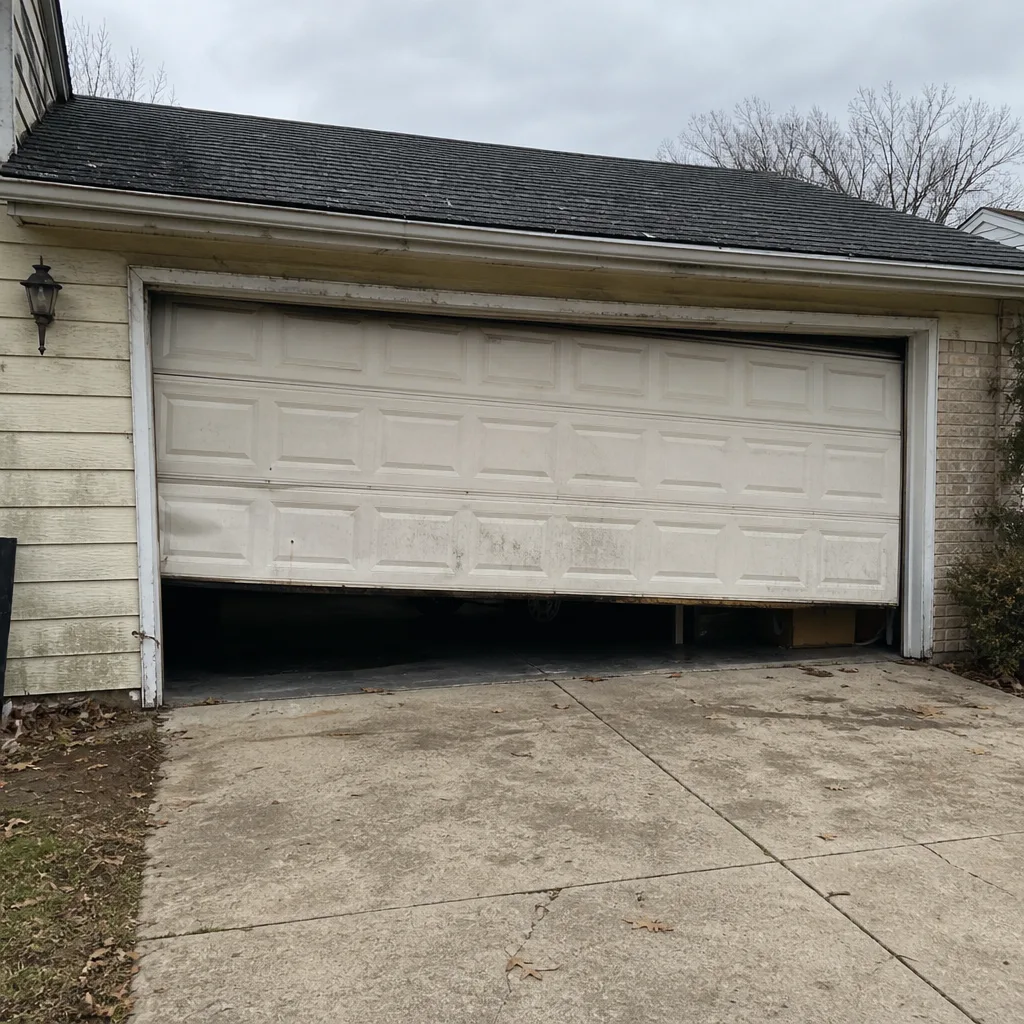 Before
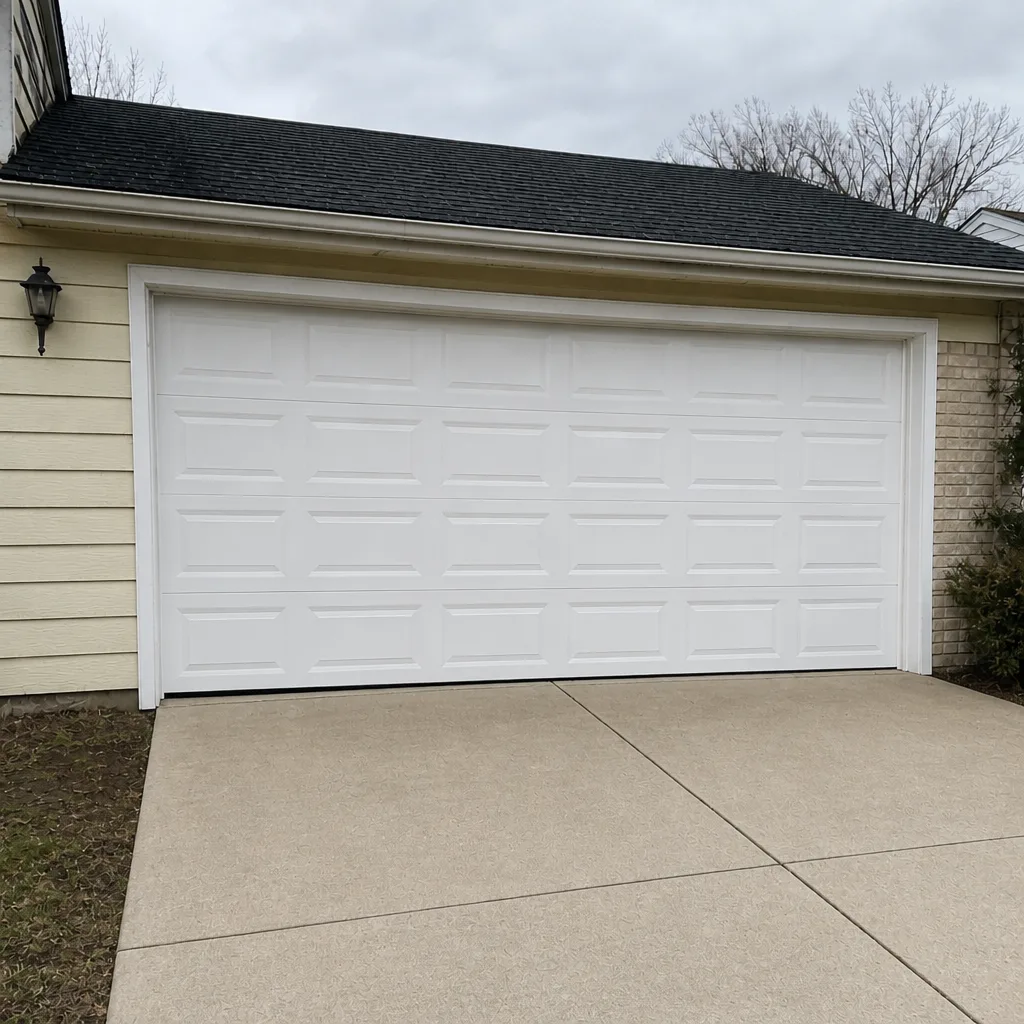 After
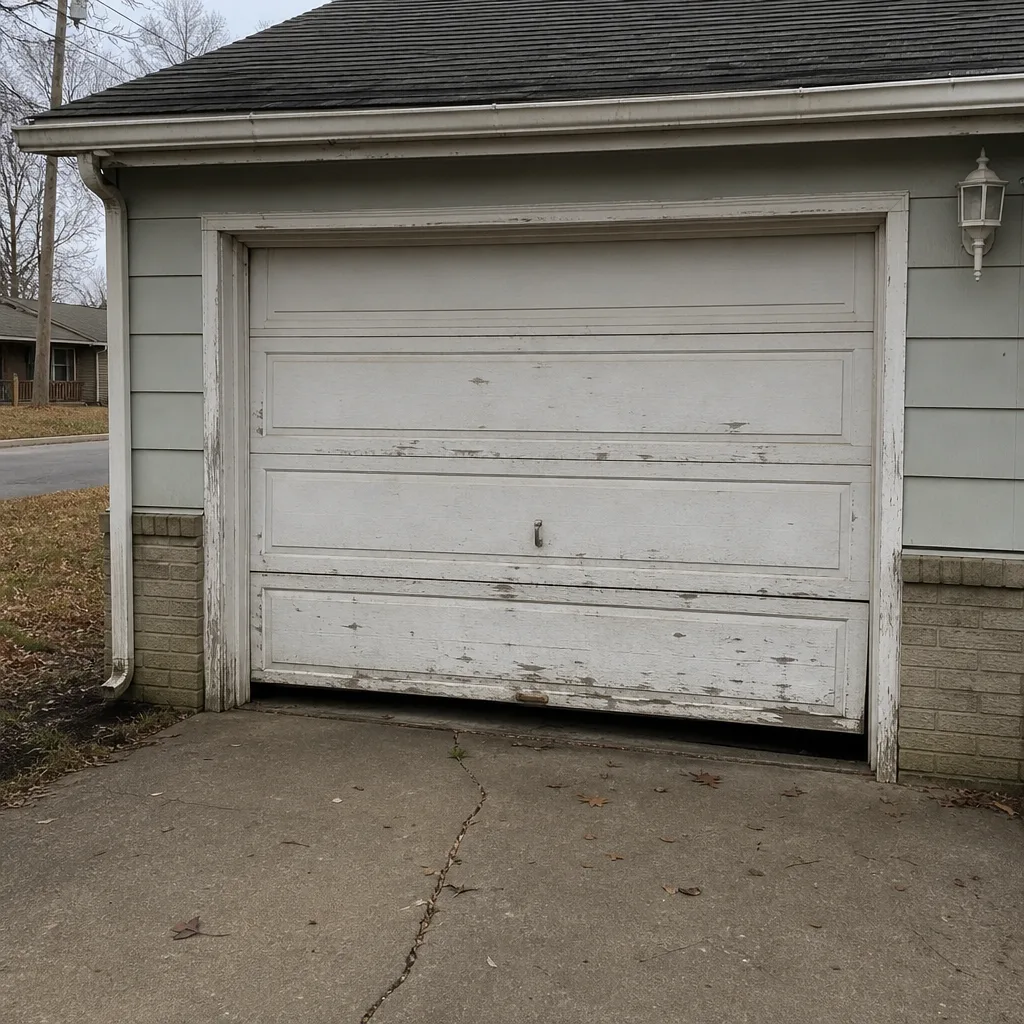 Before
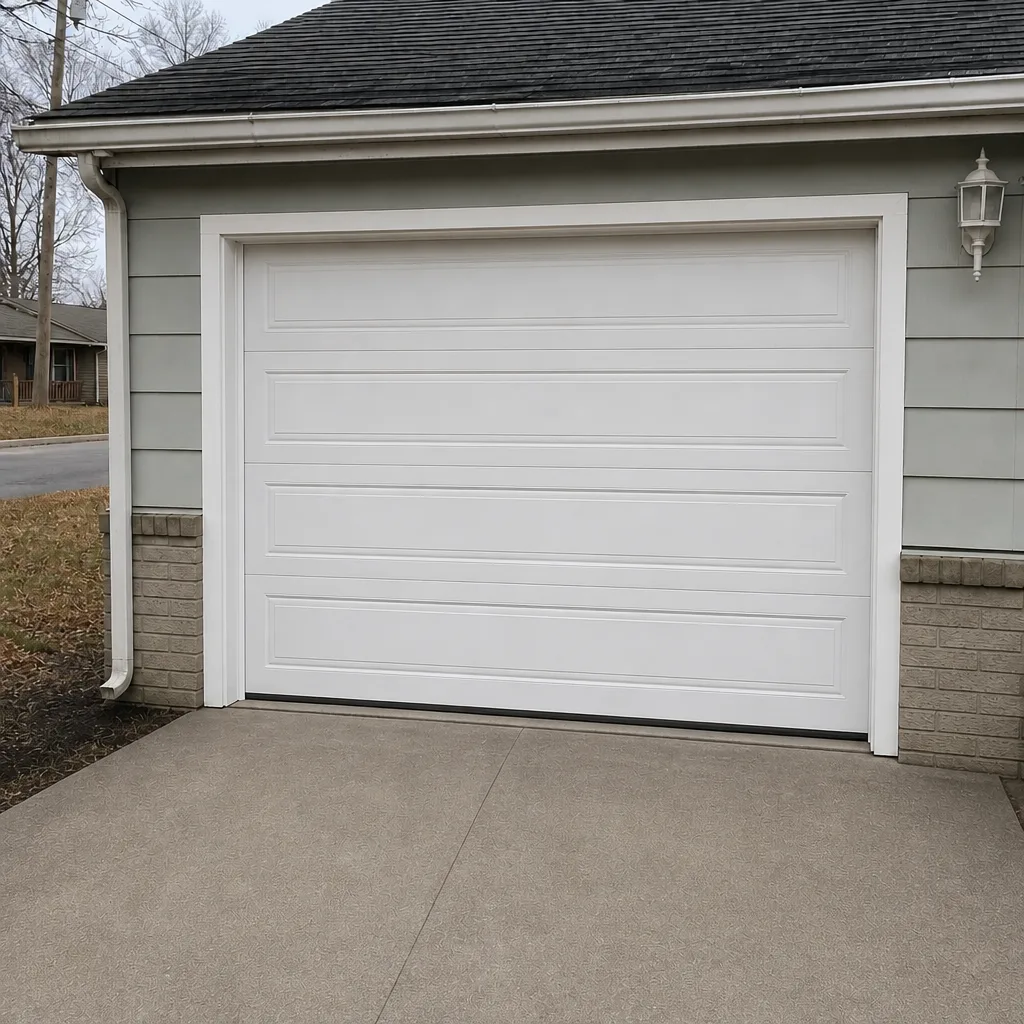 After
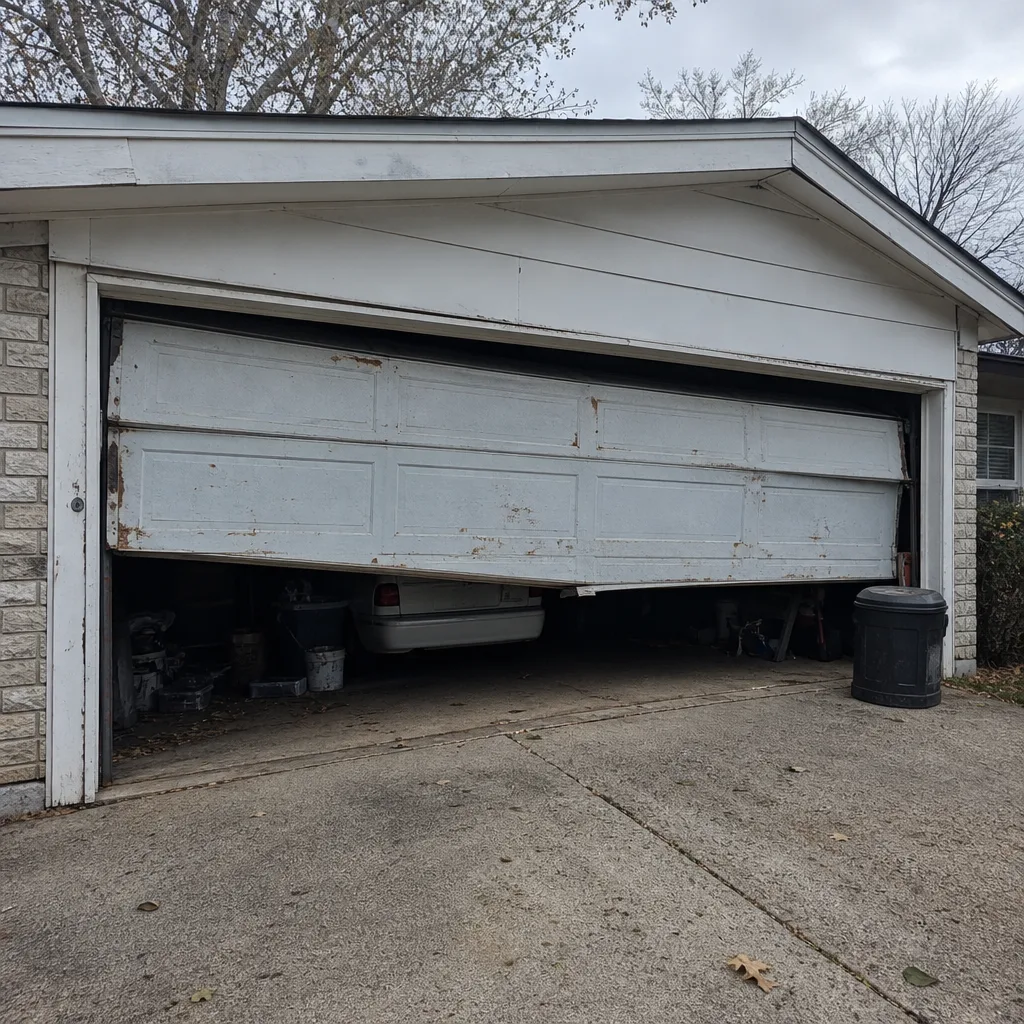 Before
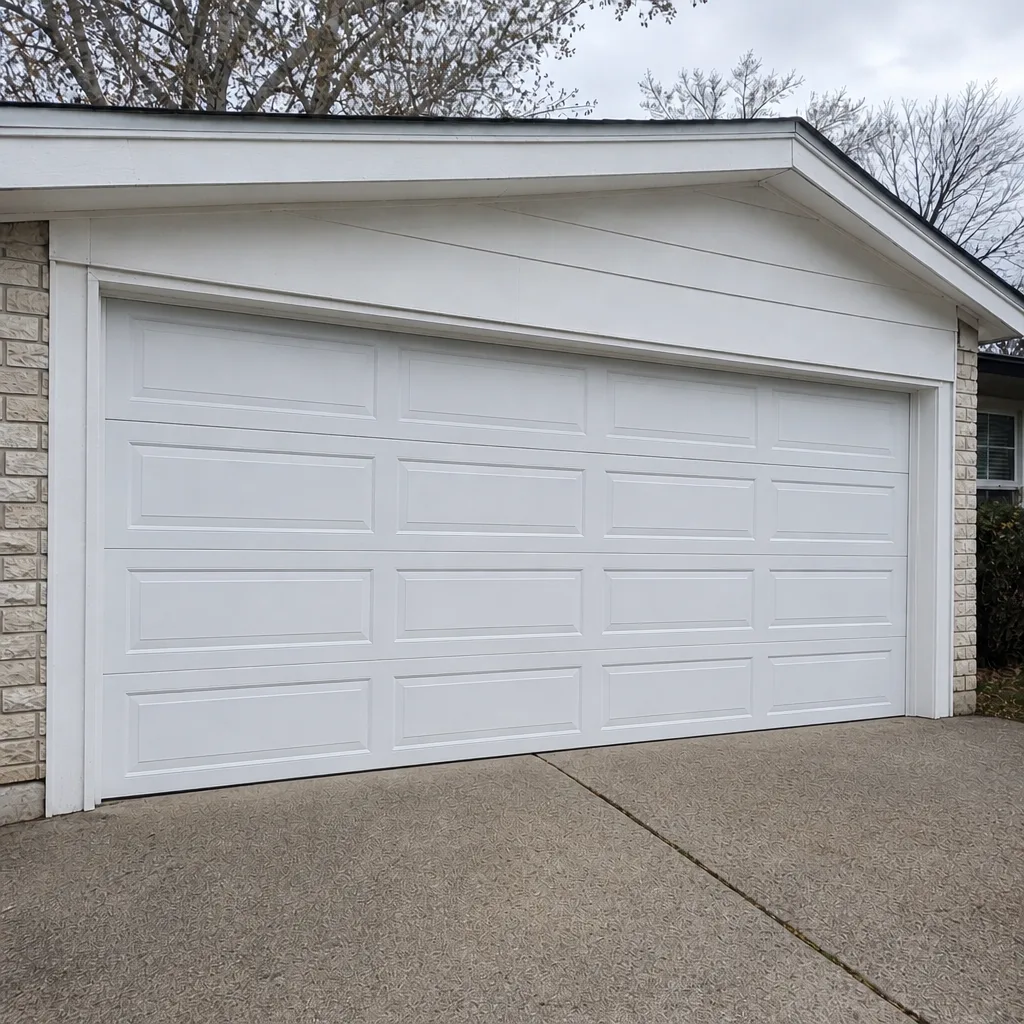 After
When to Call a Professional
Call a professional when the door won’t open or close smoothly, when you hear a pop or bang from the garage, when a track is visibly bent, when a cable is frayed or snapped, when the door drops, or when the opener runs but the door doesn’t move. Also call if you’ve had to use the manual release and aren’t sure you reconnected the carriage properly. Don’t call for a spring that’s chirping once a year; call before it fails. Garage Door Repair Princeton Heights offers free estimates in Princeton Heights. We answer 24/7, with fast dispatch from 7am to 7pm, Sunday through Friday, and the price is quoted and agreed before any work starts. Call (855) 799-9554.
Frequently Asked Questions
The price depends on the job – a broken spring, a snapped cable, a bent track, or an opener fault all have different costs. Get a written estimate and make sure the price is agreed before work starts, so there’s no surprise on the invoice. The written estimate sets the final price. Call (855) 799-9554 for a free estimate; estimates are free.
Yes, we can usually get to a stuck door the same day when you call during dispatch hours. We answer 24/7, and a call outside dispatch hours is booked into the next opening, Sunday through Friday, 7am to 7pm. Fast dispatch from 7am to 7pm. Call (855) 799-9554 and we’ll book it.
No – the price is agreed before any work starts. If the situation is different from what you described, the technician will explain and re-quote before doing anything, and you decide. We don’t add fees after the fact. Call (855) 799-9554 so we can talk it through.
The local pro is licensed and insured as their state requires. Ask before you book, and get the quote in writing. Our technicians have up to 11 years of experience with torsion spring work, opener repair, and every major brand we service, including LiftMaster, Chamberlain, Genie, and Clopay. Call (855) 799-9554 for an exact quote.
Don’t go under the door, don’t run the opener, and don’t use the manual release under load. Block the opening from inside if you can safely reach it, lock the opener out, and call for service. A cable-snapped door can drop without warning. Call (855) 799-9554 and describe what you see so the technician brings the right parts.
We work on LiftMaster, Chamberlain, Genie, Clopay, Amarr, Wayne Dalton, Craftsman, and Raynor. That covers both legacy openers and modern smart or app-connected units, plus torsion and extension spring systems and most panel types. If you’re not sure of the brand, check the warning label on the door or the opener housing. Call (855) 799-9554 for a free estimate.
The Bottom Line
A garage door emergency is usually survivable if you know three things: how to release the door safely, how to secure a stuck door until help arrives, and what to ask before you book a service call. The two mistakes to avoid are pulling the release under load and forcing a stuck door. Everything else is recoverable. The Princeton Heights specialist who answers your call should quote the job in writing and agree it with you before any work starts, and should be able to tell you straight whether a track is resettable or needs replacement. Know your door now, and the emergency itself becomes a controlled 30 minutes instead of a crisis. Call (855) 799-9554 for a free estimate. We answer 24/7, with fast dispatch from 7am to 7pm, Sunday through Friday.
Written by the team at Garage Door Repair Princeton Heights.