
Last updated November 21, 2026
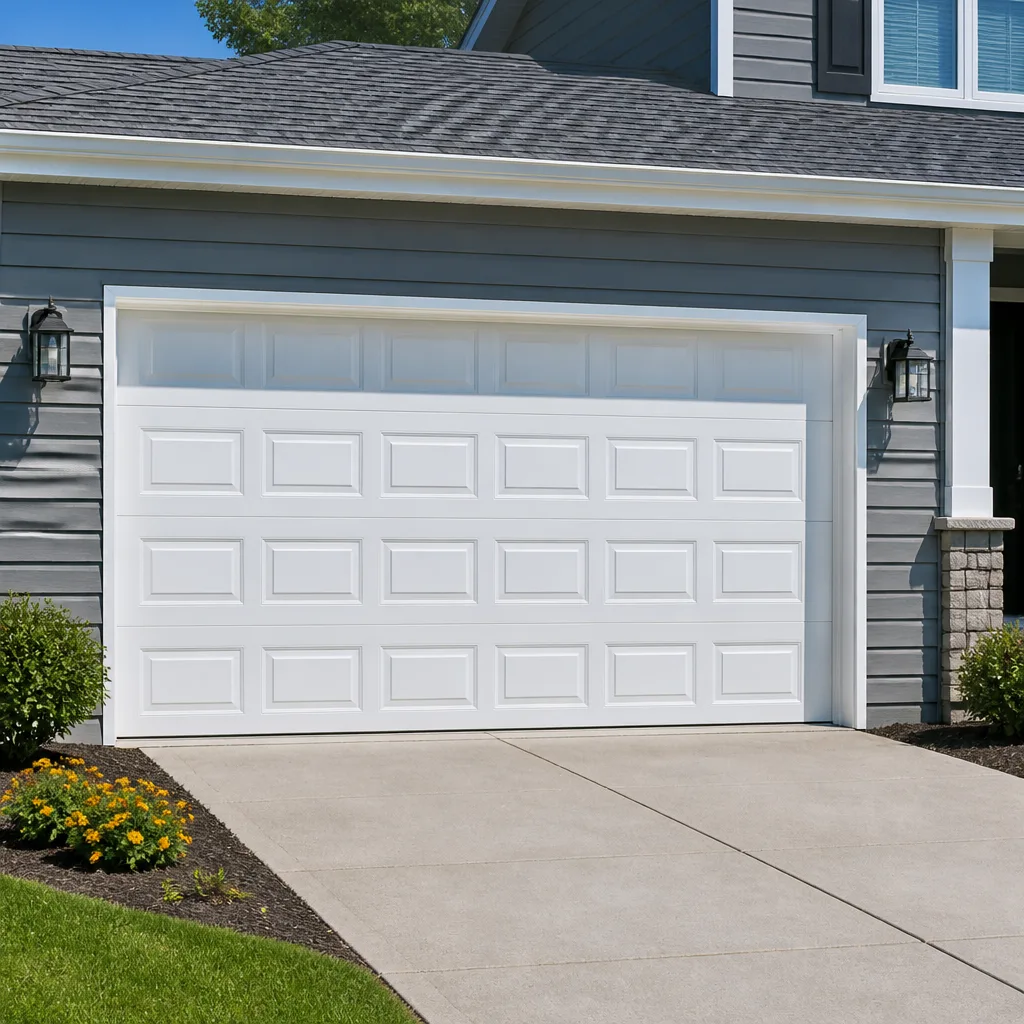 Raised-panel steel
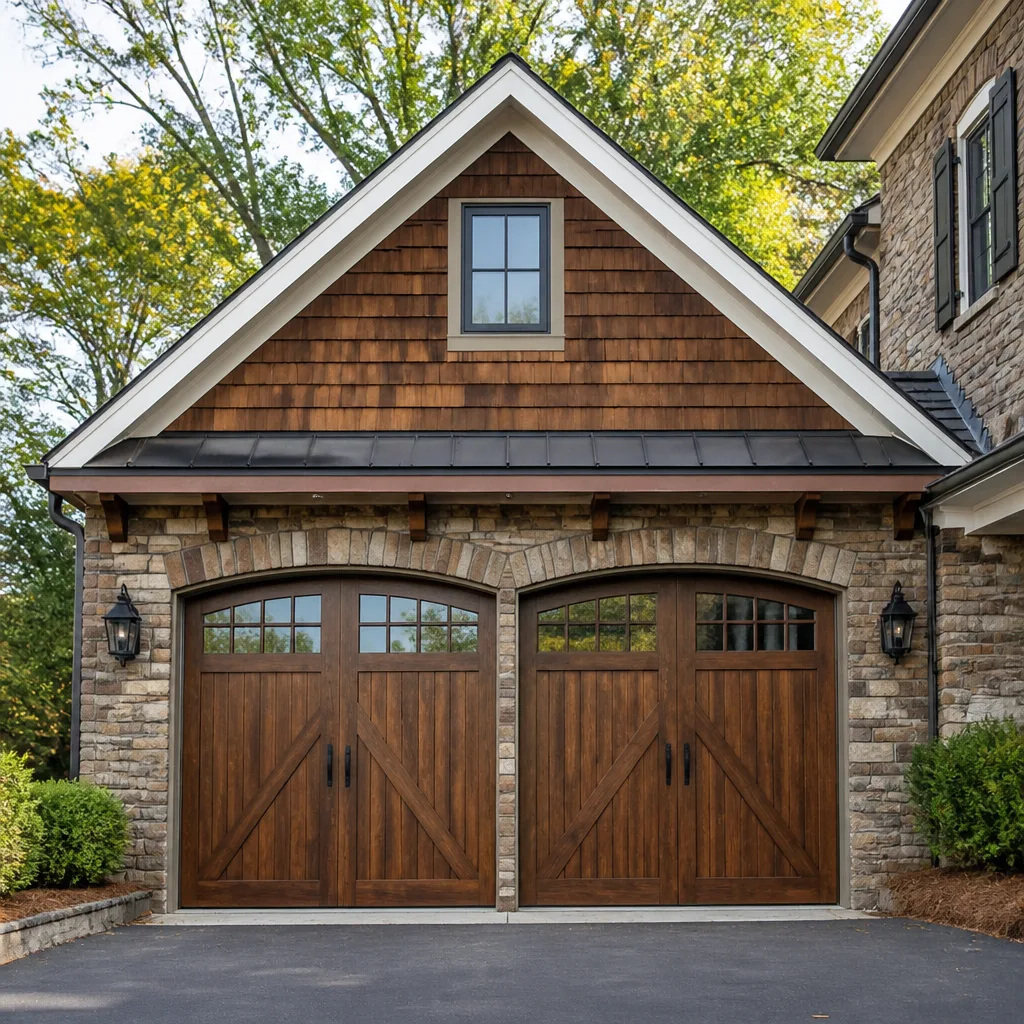 Carriage house
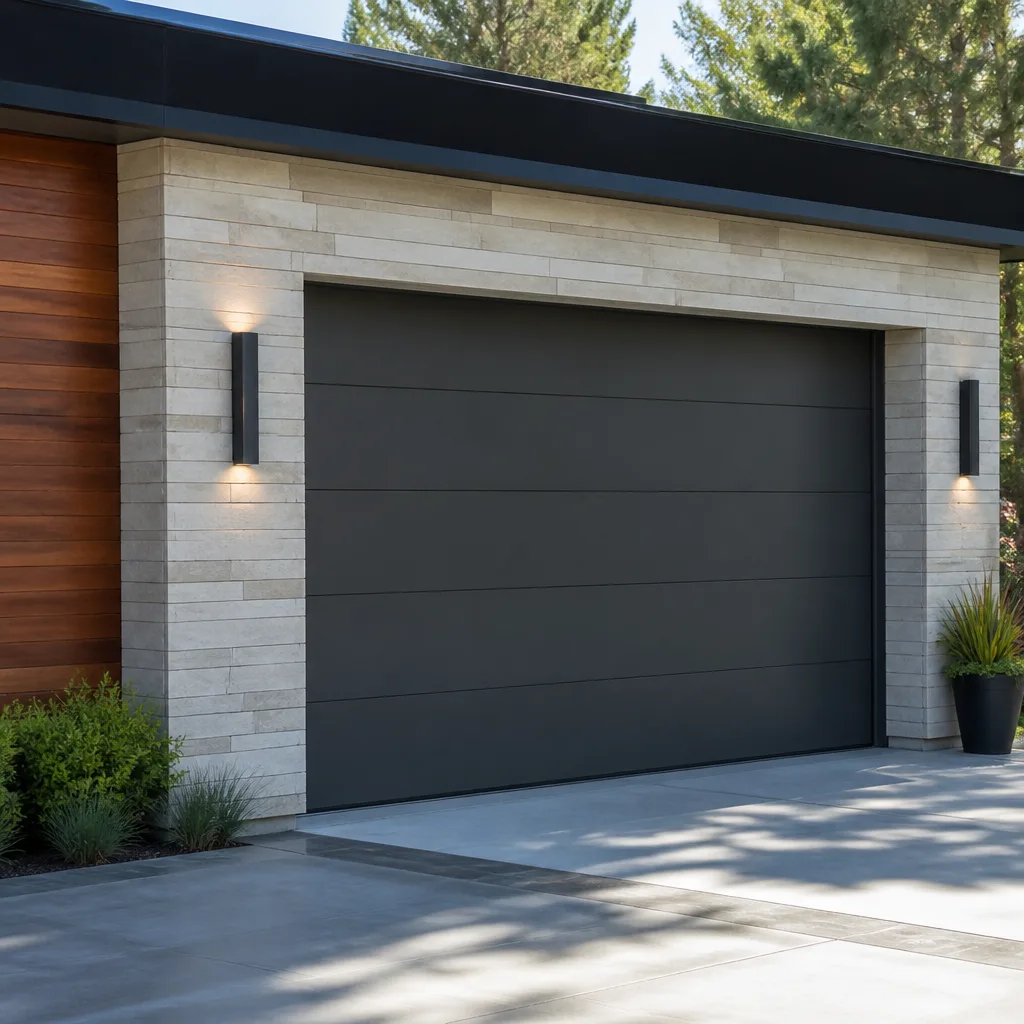 Modern flush
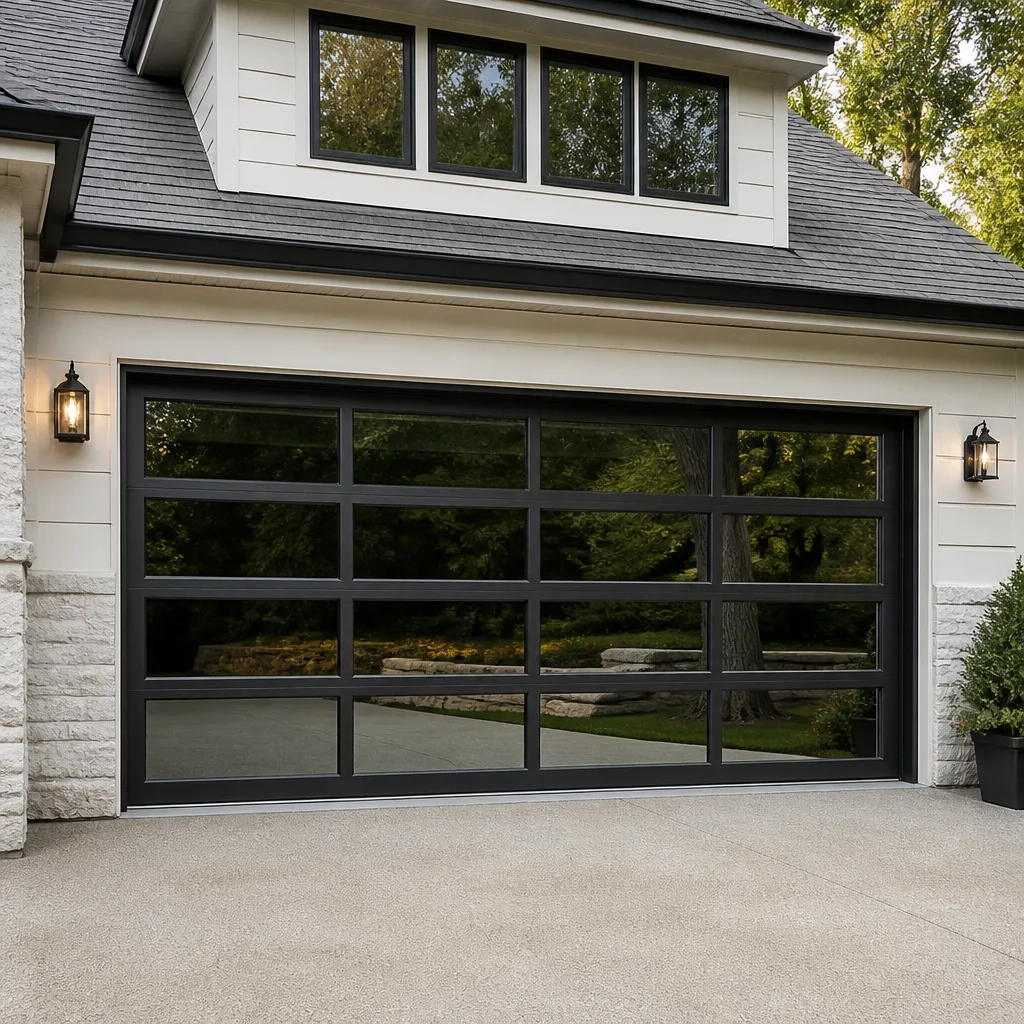 Full-view glass
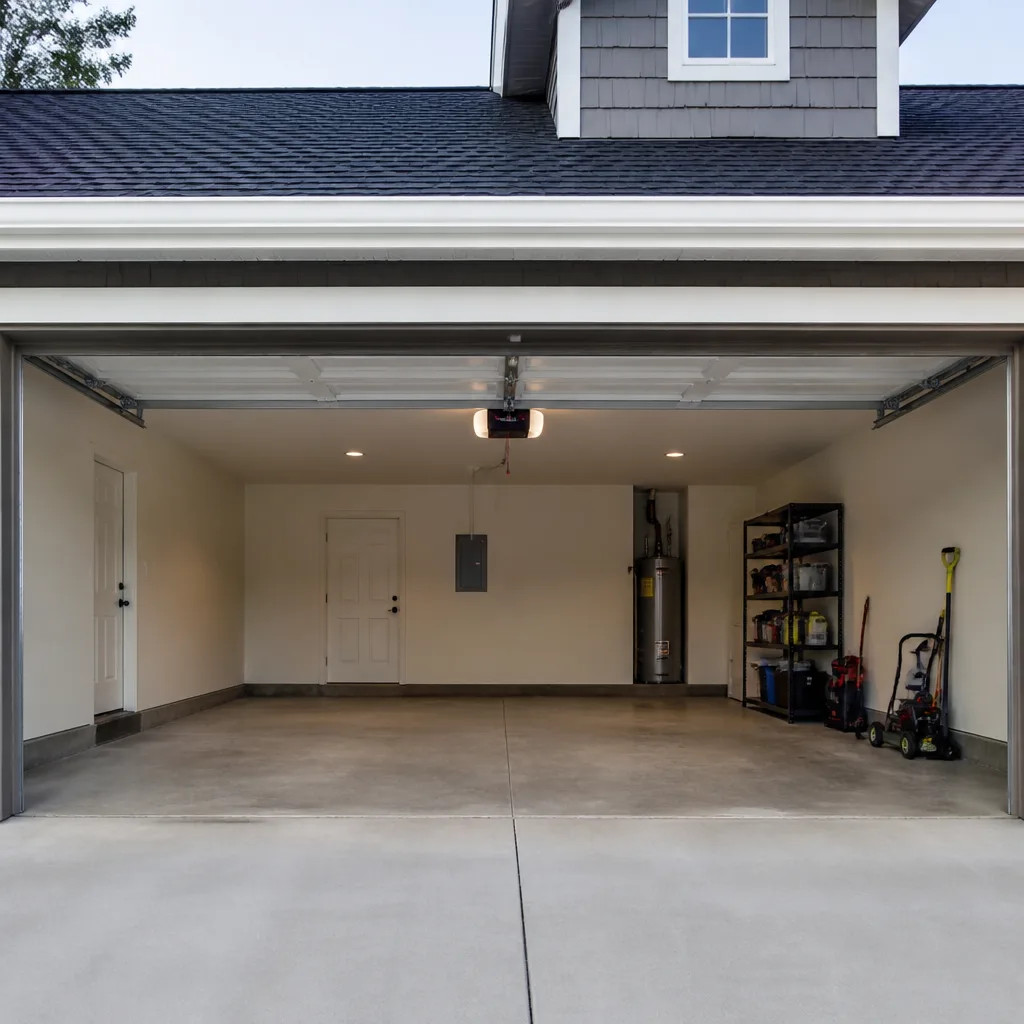 LiftMaster openers
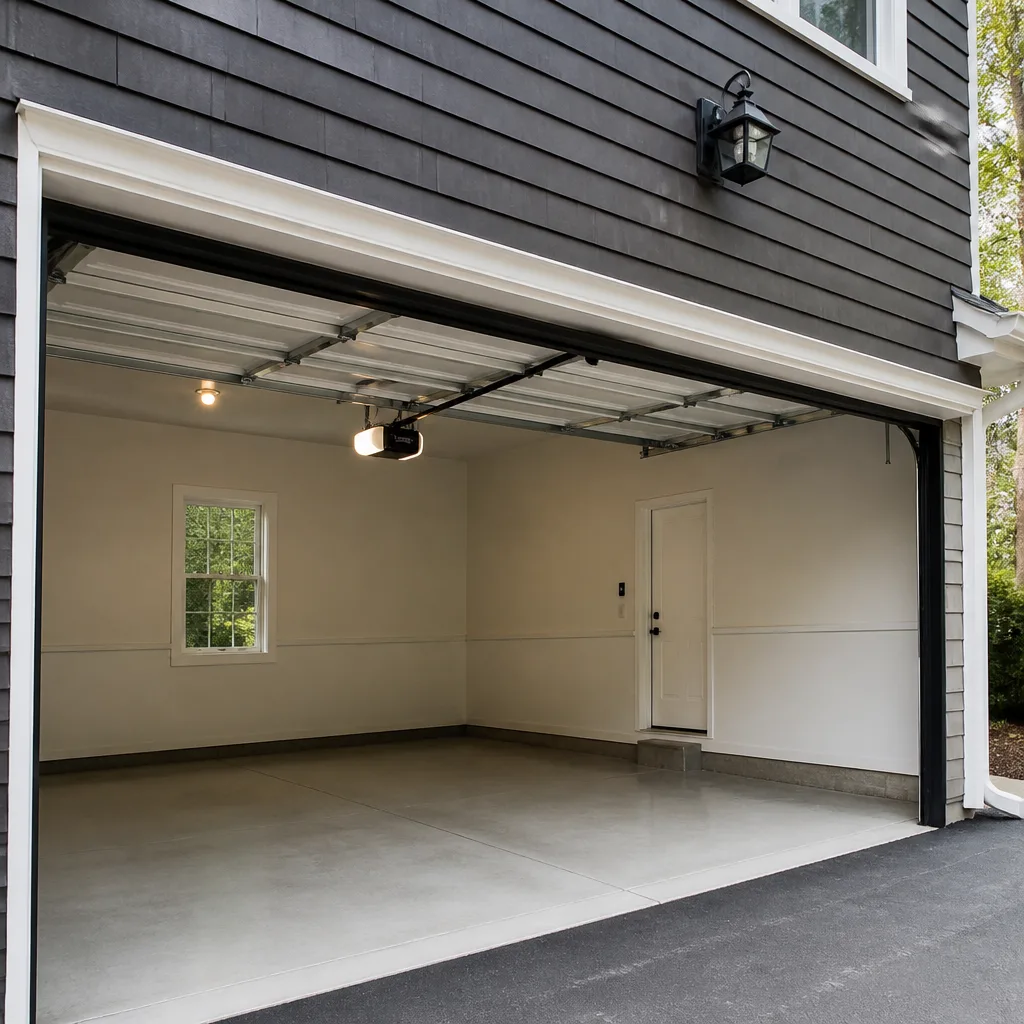 Chamberlain openers
Full 25-point door and opener safety check with every visit - springs, cables, rollers, tracks, and your LiftMaster or Chamberlain opener included
You get a price before we start. It does not change when the pro arrives.
Get your free estimateSeasonal Garage Door Care for Princeton Heights: Year-Round Homeowner’s Guide
Most garage door advice assumes you live somewhere with one kind of weather. Princeton Heights doesn’t cooperate with that assumption. This city sits in a climate band that averages 20 days a year below 20°F and more than 30 days above 90°F with high humidity. That’s a swing of over 70 degrees across twelve months, and it hits springs, cables, and weatherstripping in ways a guide written for Minnesota or Memphis simply won’t prepare you for. Every season here creates its own failure mode. This guide walks through each one and tells you what to check before a small wear item turns into a repair bill.
Styles & brands we work with
- Raised-panel steel
- Carriage house
- Modern flush
- Full-view glass
- LiftMaster openers
- Chamberlain openers
Quick Answer
Garage door care in Princeton Heights should follow the seasons, not a single annual checklist. Test spring balance in October before cold makes tension problems critical, clear ice from the bottom seal in winter instead of forcing the door, check track alignment after the spring thaw, and lubricate the torsion spring in summer heat. A 60-second visual inspection every month catches most developing problems before they become repairs.
Table of Contents
- Why Princeton Heights Climate Is Hard on Garage Doors
- Fall: Test Spring Balance in October
- Winter: Ice, the Bottom Seal, and Why You Shouldn’t Force the Door
- Spring: Thaw Settling and Track Alignment
- Summer: Heat Expansion, Steel Doors, and Spring Lubrication
- The 60-Second Monthly Inspection
- Brand-Specific Care Notes
- Common Mistakes to Avoid
- When to Call a Professional
- Frequently Asked Questions
Why Princeton Heights Climate Is Hard on Garage Doors
Garage doors are metal, wood, or composite systems held under constant tension and expected to move on command. The materials expand and contract with temperature. The springs carry load every hour of every day, whether the door moves or not. When the temperature in Princeton Heights drops below 20°F on a winter morning and climbs past 90°F with humidity on a July afternoon, every component goes through a cycle of contraction and expansion that adds up over the course of a year.
What makes this city different from a purely cold climate or a purely warm one is that the extremes don’t run for months in a row. They alternate. A garage door in Princeton Heights might see a 40-degree swing in a single week during a transitional month. Steel panels flex. Wood doors take on and release moisture. Rubber seals harden in cold and soften in heat. Cables contract when the temperature drops, which is why a cable that looked fine in September can pop in January.
We’ve seen the pattern across the eight major brands we work on: LiftMaster, Chamberlain, Genie, Clopay, Amarr, Wayne Dalton, Craftsman, and Raynor. The failure points are similar, though the tolerances and parts differ. A Craftsman door from the 1990s and a newer Amarr steel door both struggle with the same Princeton Heights temperature swings, just in slightly different ways.
The good news is that most of this wear is predictable. Once you know what each season does to your door, a few minutes of attention a month is enough to stay ahead of it. Our technicians have up to 11 years of experience watching how doors hold up in this climate, and the pattern is consistent enough to build a calendar around.
Fall: Test Spring Balance in October
October is the right month to test spring balance in Princeton Heights. A door that’s out of balance in October will get worse as the cold arrives, because cold contracts the steel and cable and adds tension the springs weren’t set up to carry. Testing in October gives you a window to fix a balance problem before a December morning makes the door impossible to lift by hand.
Spring balance matters because it’s the measurement of whether your springs are carrying the door’s weight evenly. If they aren’t, the opener is compensating for the imbalance, and that stress shows up as worn gears, a strained motor, or a door that reverses unpredictably. A balanced door should hold roughly halfway up with the opener disengaged.
Here’s how the test works:
- Disconnect the opener by pulling the red manual release cord.
- Lift the door by hand to about waist height.
- Let go and watch. A balanced door stays roughly in place. A door that slides down hard or drifts up on its own is out of balance.
- Reconnect the opener by pushing the door up until the trolley catches.
Never reach into the spring assembly to adjust tension yourself. Torsion and extension springs are under enormous force and can cause serious injury if they release wrong. If the door fails the balance test, that’s a call to a technician. The local professional is licensed and insured as their state requires, and spring repair is one of the most safety-critical jobs in the trade.
Fall is also the right month to check the weatherstripping along the bottom seal and the sides. Look for cracks, gaps, or a seal that no longer touches the floor. In Princeton Heights, a seal that’s already worn come October will let cold air and moisture in all winter.
Winter: Ice, the Bottom Seal, and Why You Shouldn’t Force the Door
Ice jams at the bottom seal are the leading cause of cable damage in this part of Missouri. When moisture freezes between the rubber seal and the concrete, the door doesn’t lift freely. The opener pulls, the door resists, and the stress moves to the cables and the bottom brackets. Forcing a frozen door open is the single most common mistake we see in winter.
It doesn’t take a storm to freeze a seal in place. A little snowmelt that runs under the door and refreezes overnight is enough. The morning after, the door feels stuck, and the easy instinct is to hit the opener again or pull harder. Both are the wrong move.
What to do instead:
- Clear snow and standing water from the door’s path before you operate it.
- Break the seal free by hand at the bottom corners before pressing the opener button.
- If the door still won’t budge, stop. Don’t cycle the opener repeatedly, because that puts the strain on the gear and motor instead.
- Check the seal itself for tears or hardening. A stiff, cracked seal grips ice worse than a pliable one.
Winter is also when extension springs on older doors are most likely to snap. Cold makes the steel less forgiving, and a spring that’s been carrying years of load won’t stretch the way it did in summer. If you hear a loud bang from the garage, stop using the door and call for garage door repair. A snapped spring leaves the door unsafe to move by hand.
One more thing: keep the tracks clear of ice and grit. A fingernail brush or an old toothbrush will do for the channel. Don’t spray de-icer into the track, because it leaves a residue that attracts more grit.
Spring: Thaw Settling and Track Alignment
The spring thaw in Princeton Heights does something that a purely cold or purely warm climate doesn’t: it changes the ground under the garage slab. Freeze-thaw cycles move soil, and in older garages around Princeton Heights that movement can settle the concrete just enough to throw off track alignment. A door that ran clean in February can start scraping or binding in March without any part actually breaking.
Older garages are especially prone to this. Slabs poured decades ago weren’t always finished with the drainage that newer construction gets, and water pooling at the door’s threshold during the spring melt accelerates the settling. If your door has started to catch at one end, or the gap under the seal changes from one side to the other, that’s a sign the track has shifted with the ground.
Spring is the right time to check the following:
- Look at the gap under the bottom seal from outside. It should be even across the width of the door.
- Run the door up and down and listen for scraping or grinding at any point.
- Check the track mounts on both sides. Loose lag bolts or brackets that have pulled away from the wall are common after a thaw.
- Look for water staining or a soft spot in the concrete at the threshold.
Minor track adjustments need a trained hand. Tracks are straight by design, and bending one back into shape without the right tools usually makes it worse. If you’re wondering whether a shift is worth looking at, call us. We’ll tell you honestly whether it needs a repair or just a watch-and-see.
Spring is also a good time to test your opener’s safety reverse function. Put a roll of paper towels under the door’s path and press the close button. The door should reverse on contact. If it doesn’t, this is a garage door opener repair that’s worth scheduling before the door gets heavy summer use.
Summer: Heat Expansion, Steel Doors, and Spring Lubrication
Summer is when torsion spring lubrication matters most in Princeton Heights. Heat expands the steel coils and the friction between them goes up. A dry spring on a 90-degree day with high humidity will groan, bind, and wear faster than the same spring in October. A light coat of a garage-door-specific lubricant on the torsion spring coils once a summer is enough to keep it moving smoothly.
Steel doors expand in heat too. A Clopay or Amarr steel door that fits cleanly in spring can show a wider gap at the panels or a slightly different alignment against the frame in July. This is normal to a point. What’s not normal is a panel that has buckled, a door that no longer sits flush, or a bottom seal that’s pulled away at one end. Those are signs that the heat expansion is working against a part that was already worn.
Raynor and Wayne Dalton doors with wood or composite components need a different watch in summer. Wood takes on moisture in humid weather and releases it when the air dries out. That movement can throw the door slightly off square over time. If a wood door starts to rub on one side only in summer, moisture is often the cause.
Summer checklist:
- Lubricate the torsion spring, the hinges, and the rollers with a garage-door-specific lubricant. Don’t use WD-40 as a substitute; it’s a solvent, not a lasting lubricant.
- Check that the rollers move freely and haven’t developed flat spots.
- Look at the bottom seal for cracking. Heat and UV harden rubber over time.
- Test the safety reverse after any lubrication, since greasy rollers can change how the door closes.
If your opener is a smart-home model from LiftMaster, Chamberlain, Genie, or Craftsman, summer is a good time to check the app and make sure it’s still reporting cycles correctly. A sensor that’s drifted out of alignment in the heat can cause phantom reversals.
The 60-Second Monthly Inspection
A 60-second visual check once a month catches most developing problems before they escalate into repairs. You don’t need tools or a ladder. You need to stand in front of the door and look with attention.
- Look at the springs. Extension springs should look straight and even. Torsion springs should have no visible gaps or rust streaks. Any visible break or stretch is a stop-use signal.
- Check the cables. They should be taut and free of fraying. A cable with separated strands near the drum needs replacing.
- Inspect the bottom seal. It should touch the floor across its full width with no cracks or missing chunks.
- Run the door and listen. A well-maintained door is quiet. Grinding, squealing, or a rhythmic thump means something is wearing.
- Watch the door travel. It should move at a steady speed with no hesitation or jerking.
- Test the safety reverse. One roll of paper towels under the path, one press of the close button, one check that the door reverses.
That’s it. Six looks, once a month, in under a minute. In our experience, that habit catches the vast majority of developing issues while they’re still cheap to fix. It won’t catch an internal spring failure that gives no warning, but it will catch the worn cable, the cracked seal, and the loose track bolt that would have caused one.
Brand-Specific Care Notes
Garage doors aren’t interchangeable, and the maintenance that matters most varies by brand. We work on eight of the industry’s most widely installed systems, and the quirks are worth knowing.
- LiftMaster and Chamberlain openers share a lot of design heritage, and both benefit from periodic testing of the safety sensors. Their smart features are useful, but the sensors still need a clean lens and a clear path.
- Genie openers often run a chain or belt drive with a tension that should be checked in fall and again in spring. A loose belt on a Genie will slip under the load of a cold door.
- Craftsman openers from older installs are common around Princeton Heights. Their gear assemblies wear with age, and a grinding sound from the motor housing usually means the gear is going.
- Clopay and Amarr steel doors need the panel seams checked after each season change. Heat expansion in summer and cold contraction in winter work the fasteners over time.
- Wayne Dalton and Raynor doors with torsion systems should have the spring checked carefully each fall, since their spring assemblies sit close to the header where moisture collects.
If you’re not sure which brand you have, the label is usually on the inside of the door or on the opener housing. If you can’t find it, tell us what you see and we’ll help identify it.
Common Mistakes to Avoid
- Forcing a frozen door open. Ice at the bottom seal is the leading cause of cable damage in this region. Break the seal free by hand before operating the opener.
- Skipping the October balance test. A balance problem caught in fall is a cheap adjustment. The same problem caught in January after a cable snaps is a repair.
- Using WD-40 on the springs. It’s a solvent that strips existing lubricant rather than replacing it. Use a garage-door-specific spray instead.
- Ignoring a track shift after a thaw. Concrete settling around Princeton Heights can throw the track out of alignment in spring. A door that scrapes now will wear the rollers and the door edge if left alone.
- Resetting the opener by unplugging it and calling that a repair. The opener is usually doing what its sensors tell it to. A door that reverses or won’t close is reporting a problem, not causing one.
- Treating the bottom seal as a cosmetic part. It keeps water, ice, and pests out. A seal that’s cracked in December lets moisture freeze under the door all winter, which is how a small wear item becomes a spring problem.
- Putting off a spring repair because the door still opens. A door with one broken spring on a two-spring system is running on a single spring that was never sized to carry the whole load. It will fail too, usually sooner than you’d expect.
When to Call a Professional
Some garage door maintenance is a homeowner job. Some isn’t. The line to call is clear: anything involving springs, cables, or the opener’s internal mechanism is a job for a trained technician, not a weekend project.
Call us if you see a snapped spring, a frayed cable, a door that’s out of balance after the October test, a track that’s shifted after a thaw, or an opener that reverses without an obvious obstruction. If you’ve tried the basic reset and the door still won’t close, that’s a diagnostic problem rather than a maintenance one. We work on your brand, whether it’s a LiftMaster opener with a Wi-Fi module or a Wayne Dalton door that’s been in place for years. Our technicians have up to 11 years of experience with spring repair, opener repair, and the parts that keep a door running. And if you’re planning ahead, the same visit can cover a garage door installation estimate if you’re thinking about replacing rather than repairing.
Garage Door Repair Princeton Heights offers free estimates in Princeton Heights. Call (855) 799-9554. We answer 24/7. Fast dispatch from 7am to 7pm, Sunday through Friday.
Frequently Asked Questions
Test it in October, before the cold arrives. A door that’s out of balance in fall will get worse as freezing temperatures add tension to the cables and springs. If it fails the test, call a technician rather than adjusting it yourself, and call (855) 799-9554 for a free estimate.
Ice jammed under the bottom seal is the most common cause. The seal freezes to the concrete, the opener pulls against the resistance, and the strain lands on the cables. Break the seal free by hand before operating the door, and never force it. If the door still won’t budge, call us at (855) 799-9554.
Once a summer is enough for most Princeton Heights homes. Heat expands the coils and raises friction, so a light coat of garage-door-specific lubricant helps the spring move smoothly. Avoid WD-40, which strips lubricant instead of adding it. If the door still groans, call (855) 799-9554 for a free estimate.
Minor tightening of a loose bolt is fine to do yourself, but bending a track back into alignment usually needs a trained hand and the right tools. Tracks are straight by design, and a home fix often makes the binding worse. Call (855) 799-9554 and we’ll tell you what’s involved.
Spring life depends on cycle count more than age, and the wide temperature swings in Princeton Heights add stress with every seasonal change. A 70-degree swing between seasons works the metal differently than a stable climate does. If your door is out of balance or you hear a bang from the garage, stop using it and call (855) 799-9554.
No. We quote the work and agree the price before any work starts, and the written estimate sets the final price. If we find something beyond what we discussed, we’ll tell you before starting, not after. Call (855) 799-9554 for a free estimate.
The Bottom Line
Princeton Heights puts garage doors through more than most cities do, because the climate pulls in both directions within a single year. Fall is for balance testing, winter is for ice management and patience, spring is for checking track alignment after the thaw, and summer is for spring lubrication and seal inspection. The 60-second monthly visual check ties it all together and catches most developing problems while they’re still small.
The parts of garage door maintenance that matter most involve springs and cables under tension, which is exactly where a trained technician belongs. If something in your door doesn’t look or sound right, don’t wait for the next season to find out. Call (855) 799-9554 for a free estimate, and we’ll tell you exactly what’s going on with your door.
Written by the team at Garage Door Repair Princeton Heights.
See the difference
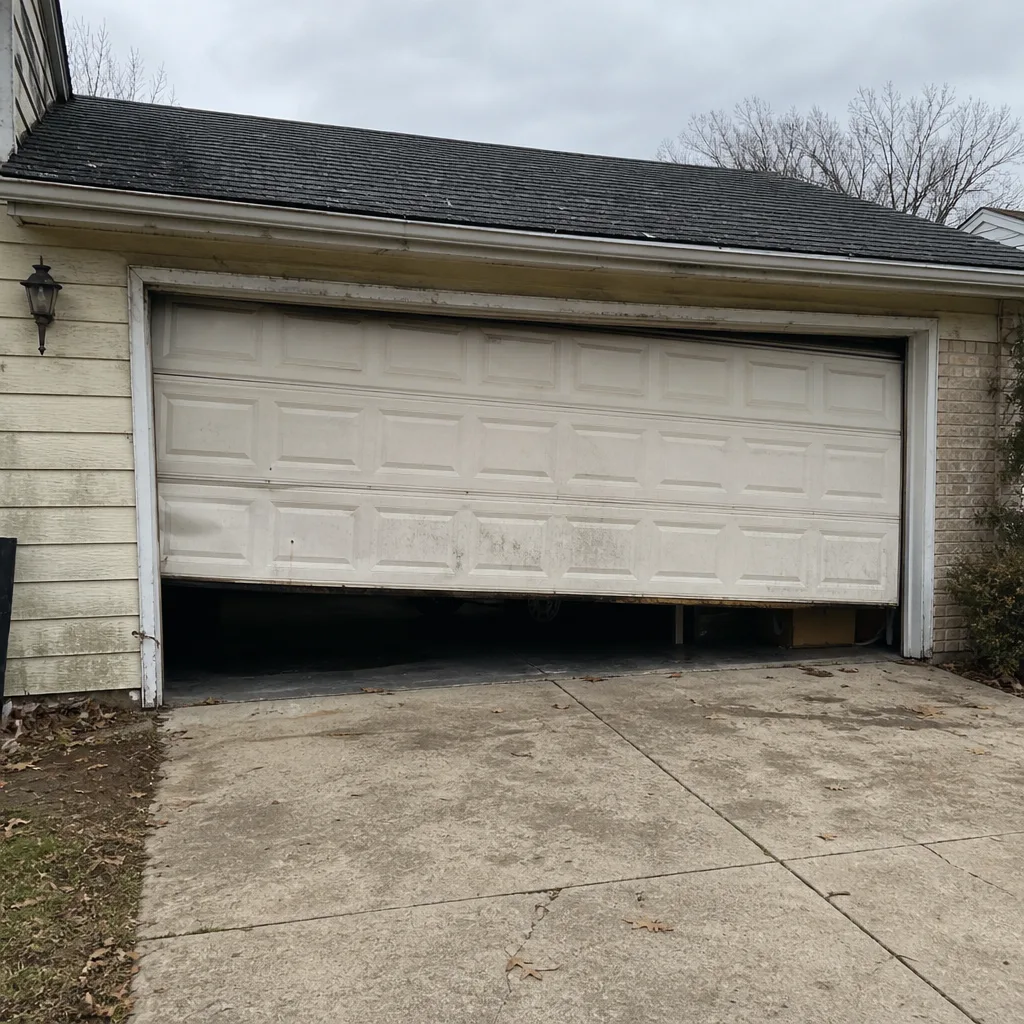 Before
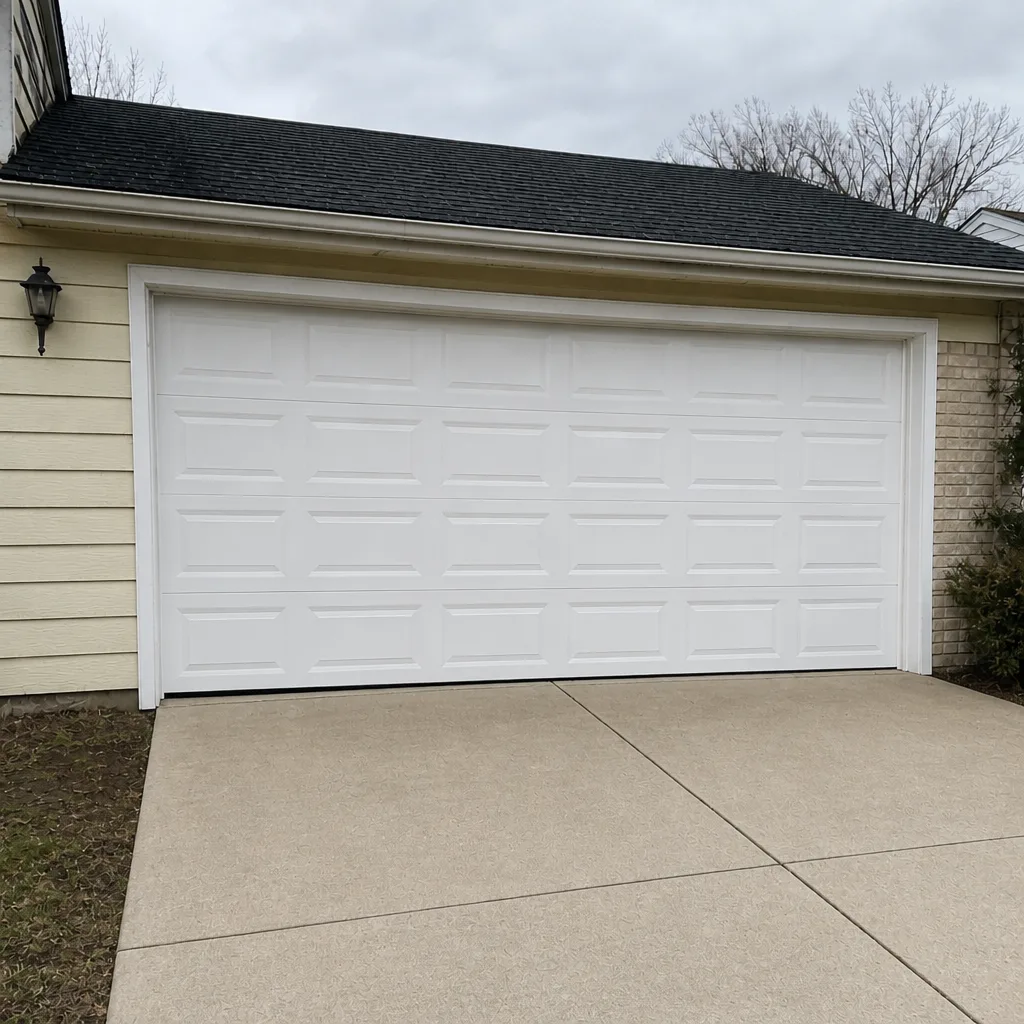 After
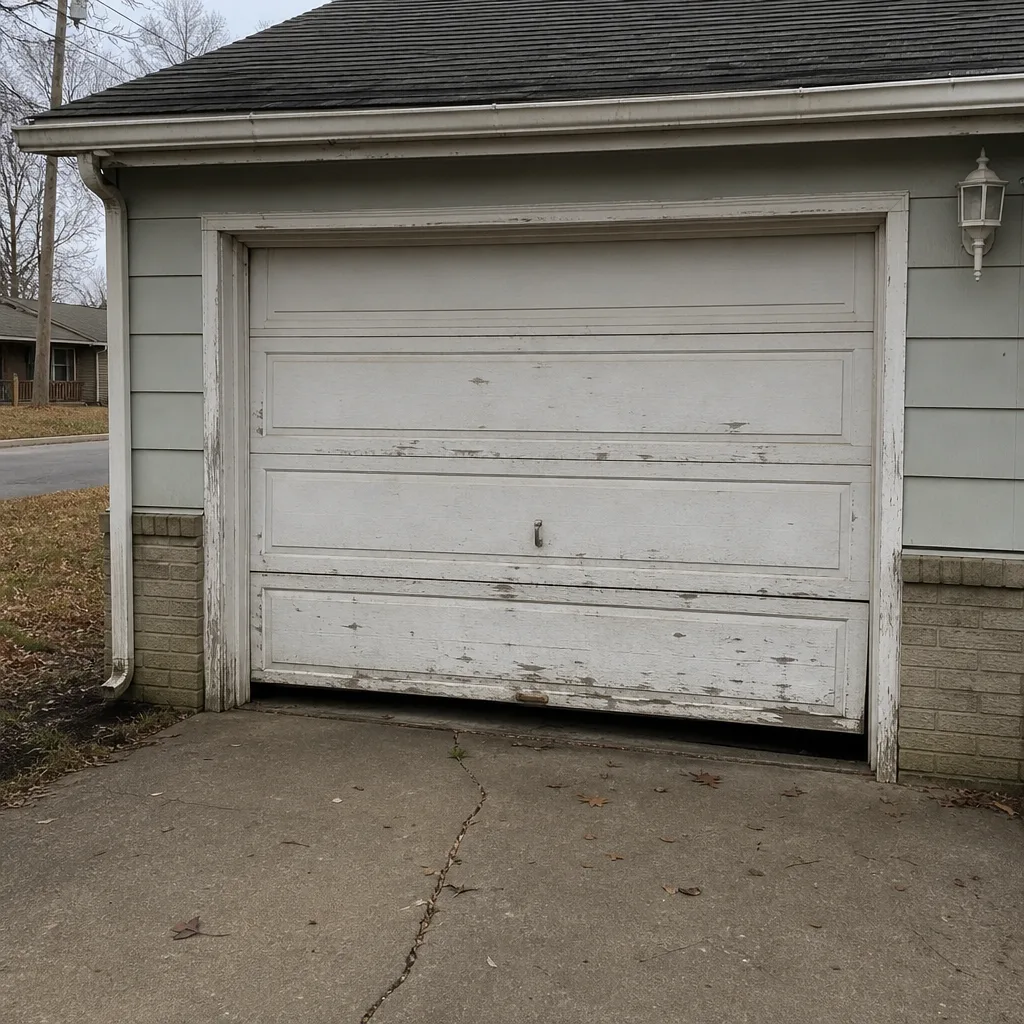 Before
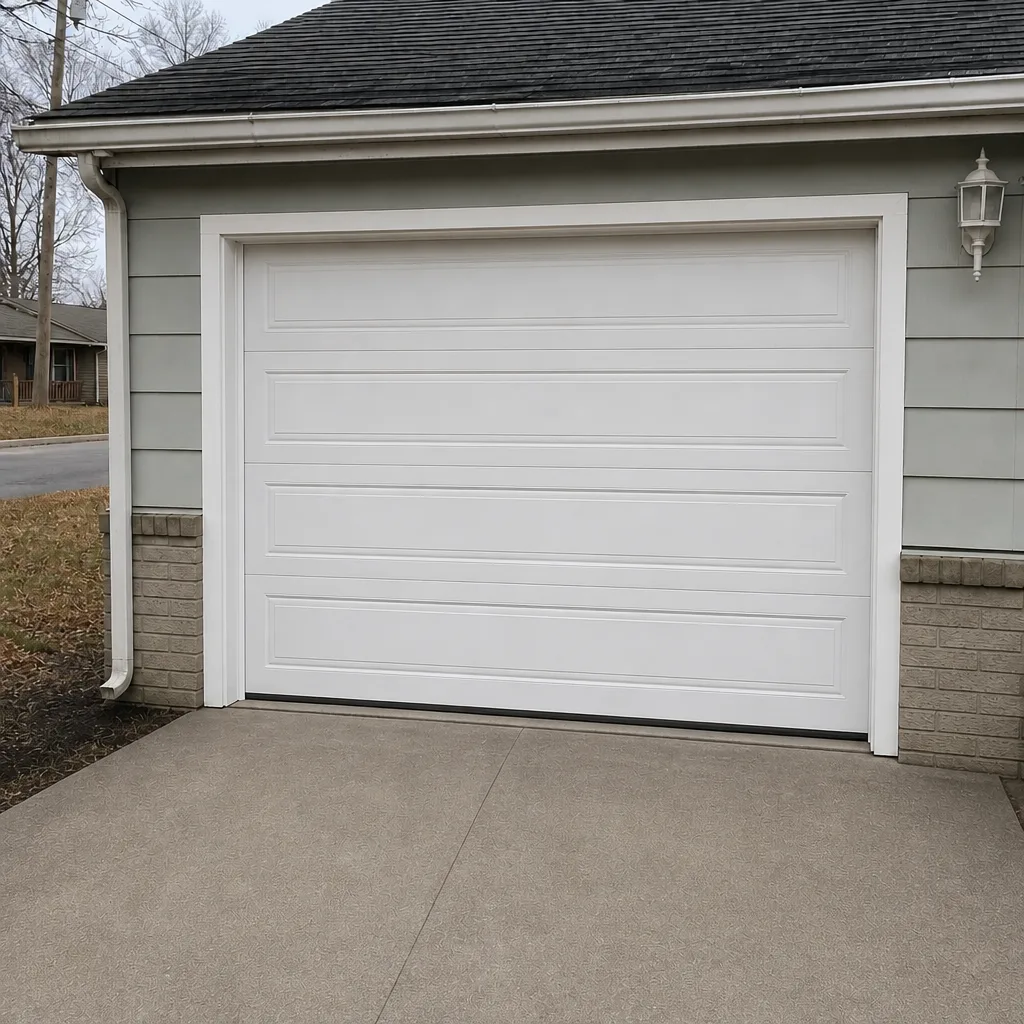 After
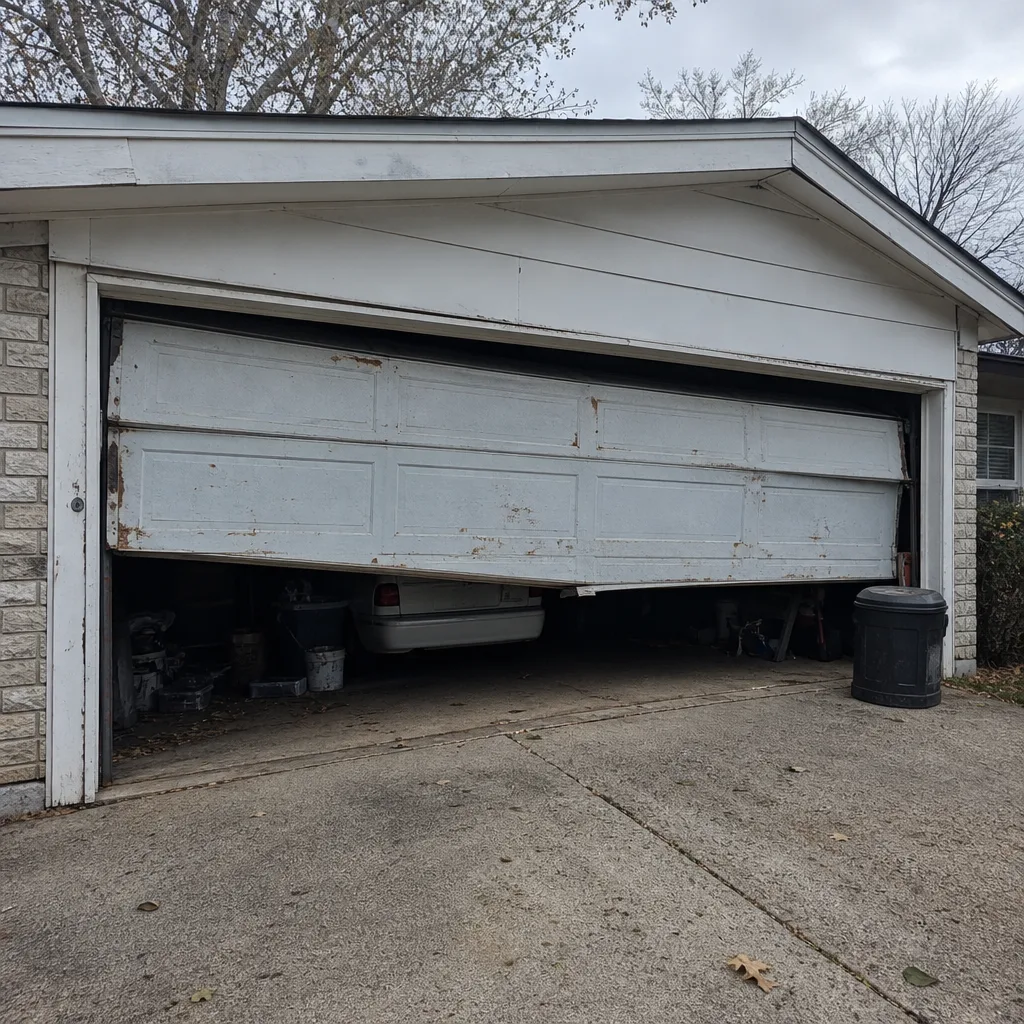 Before
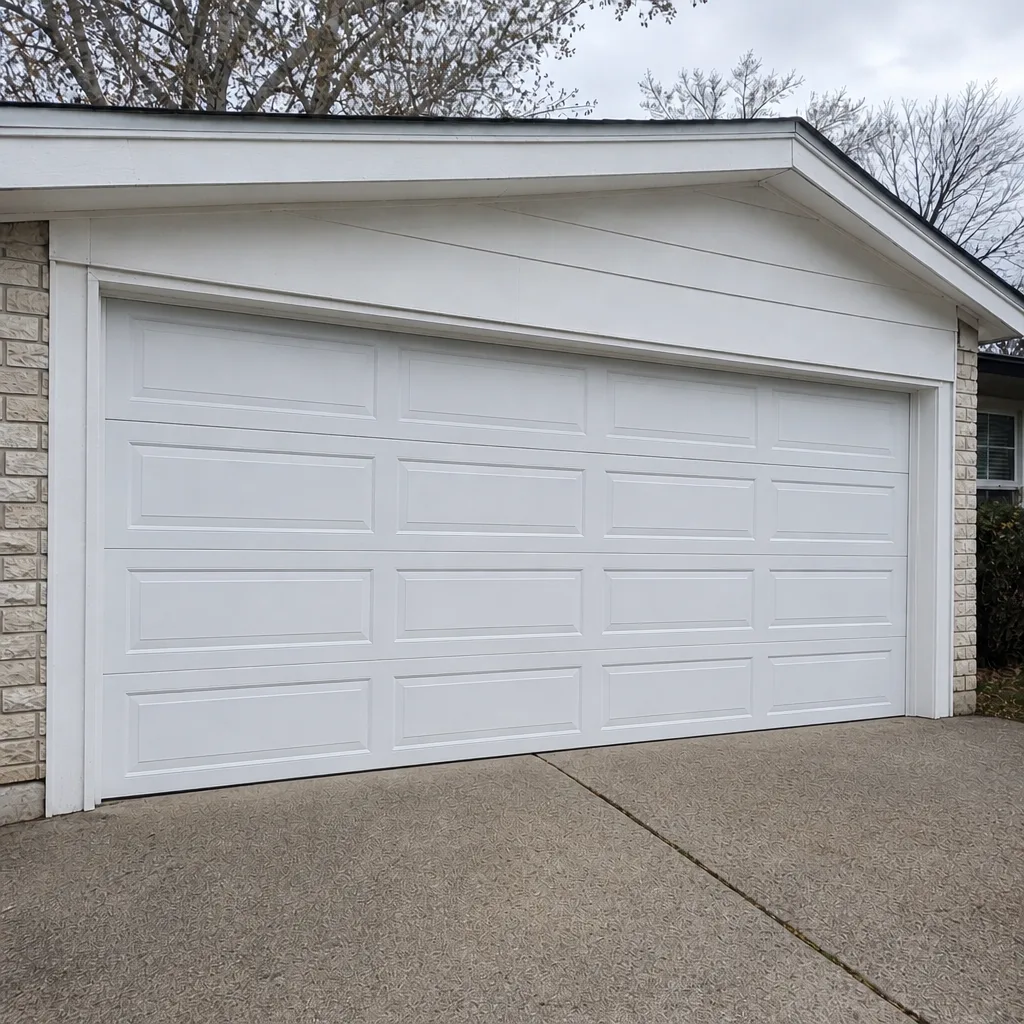 After