
Last updated November 21, 2026
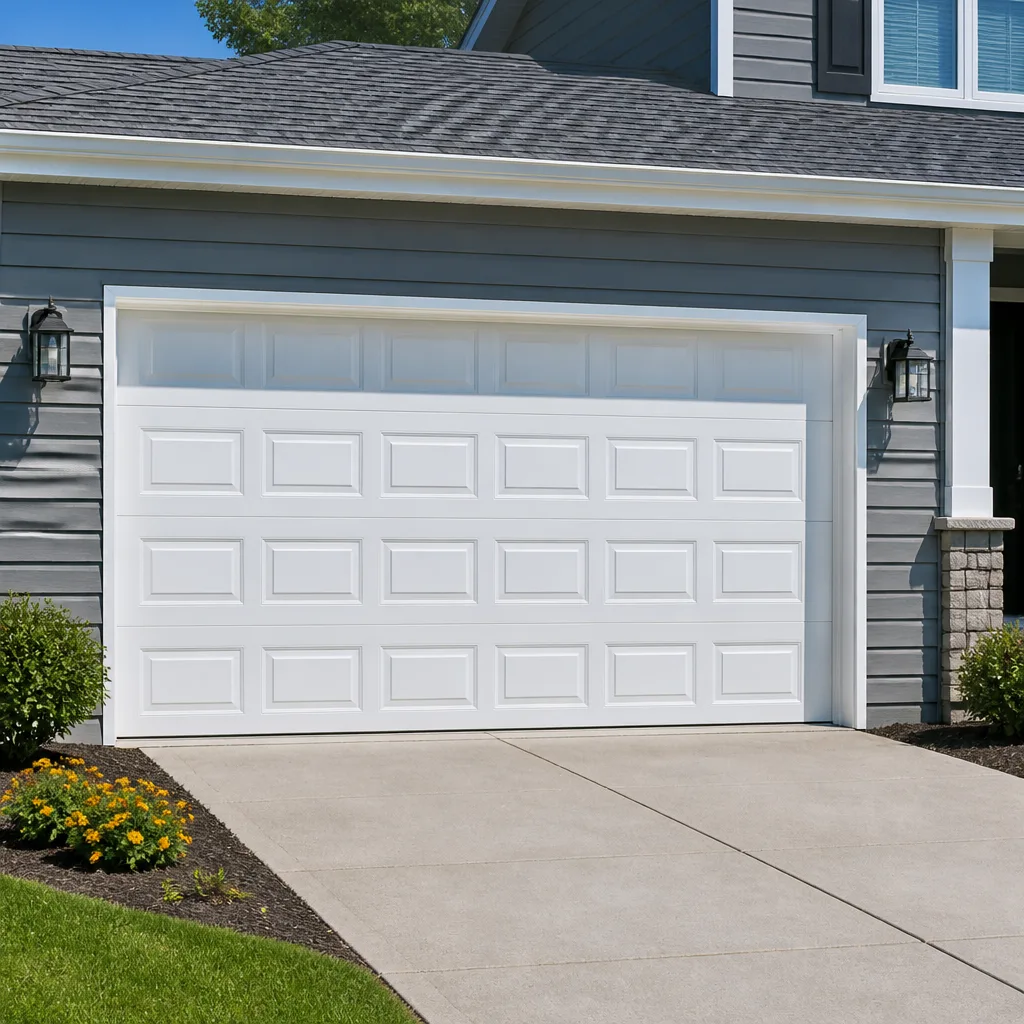 Raised-panel steel
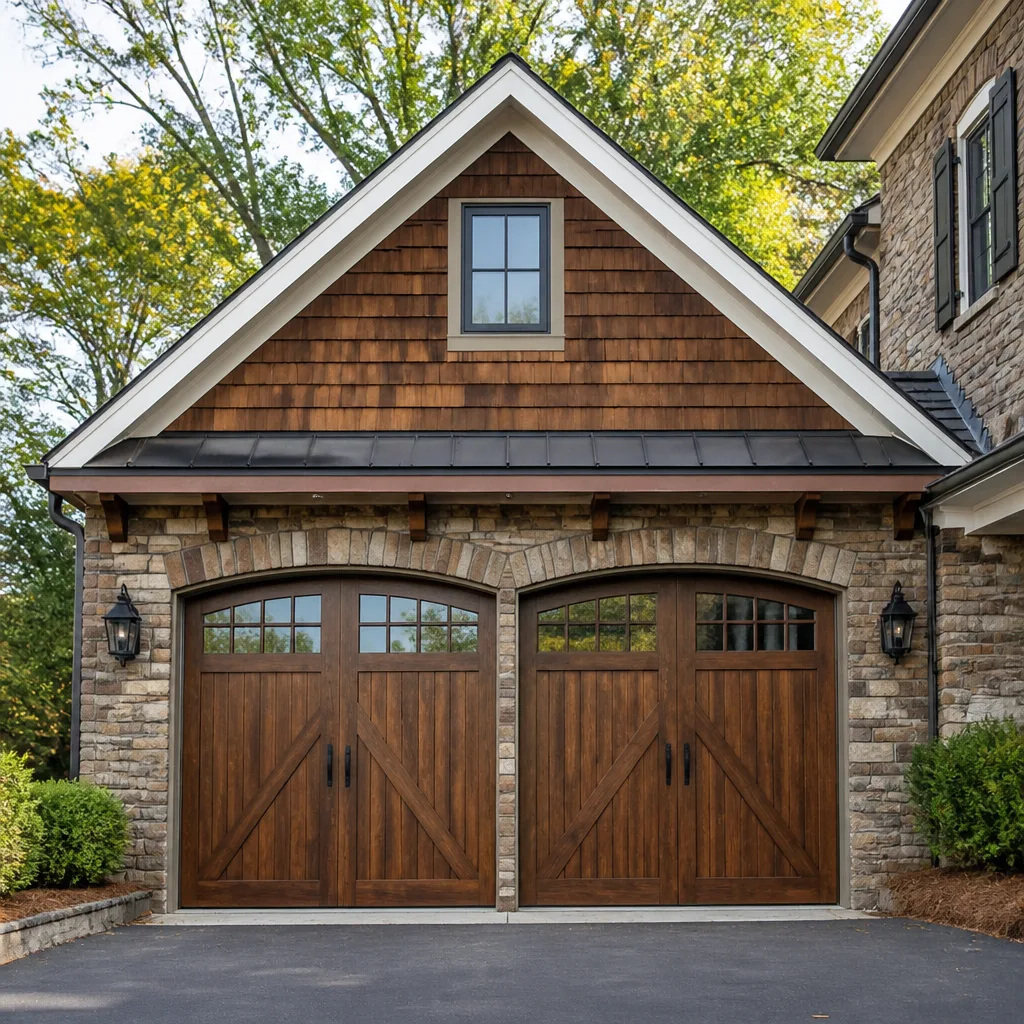 Carriage house
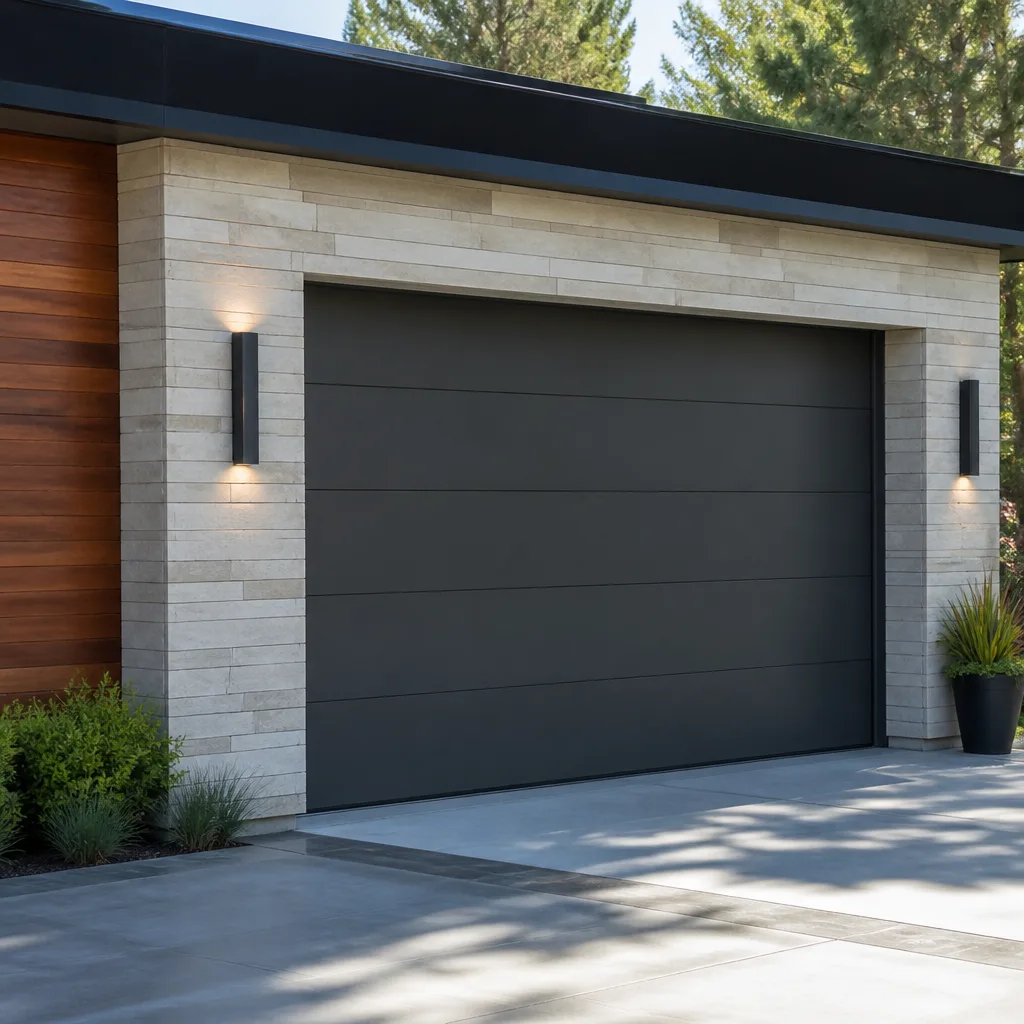 Modern flush
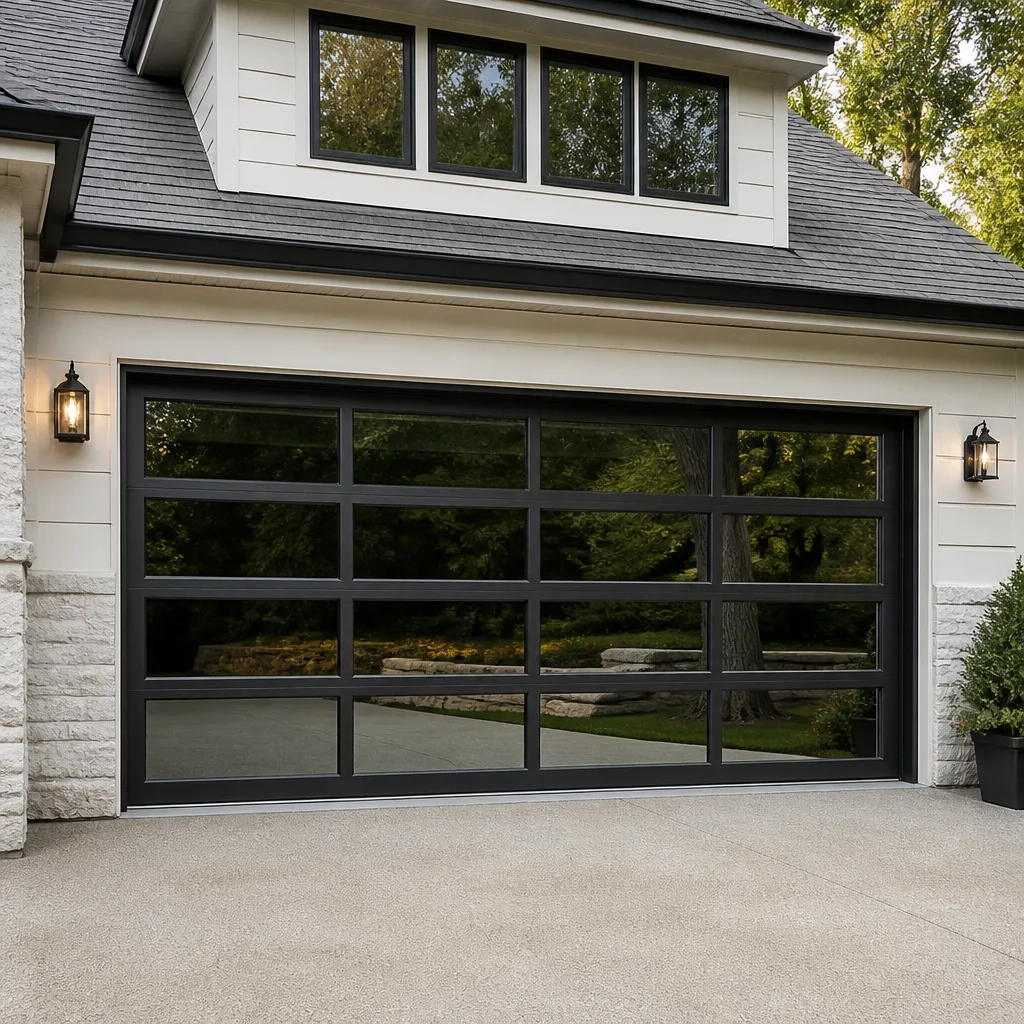 Full-view glass
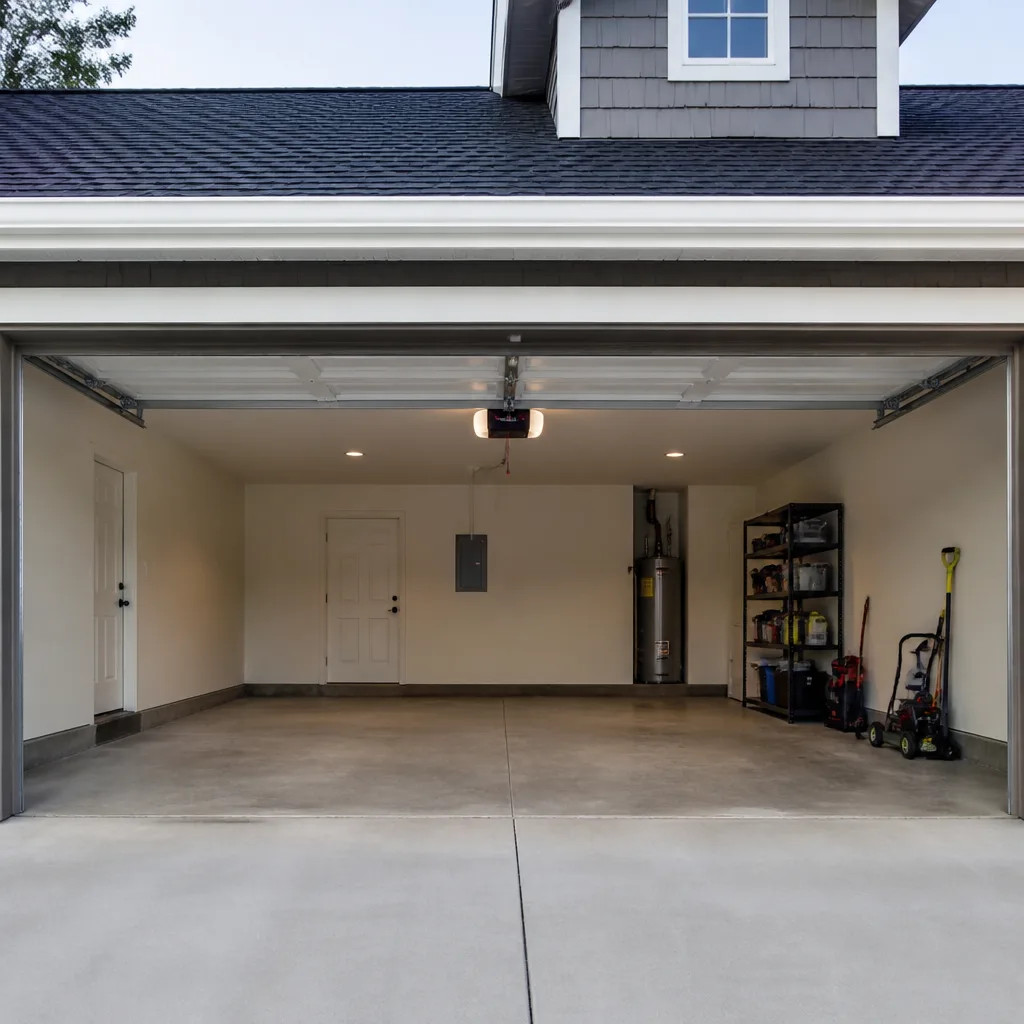 LiftMaster openers
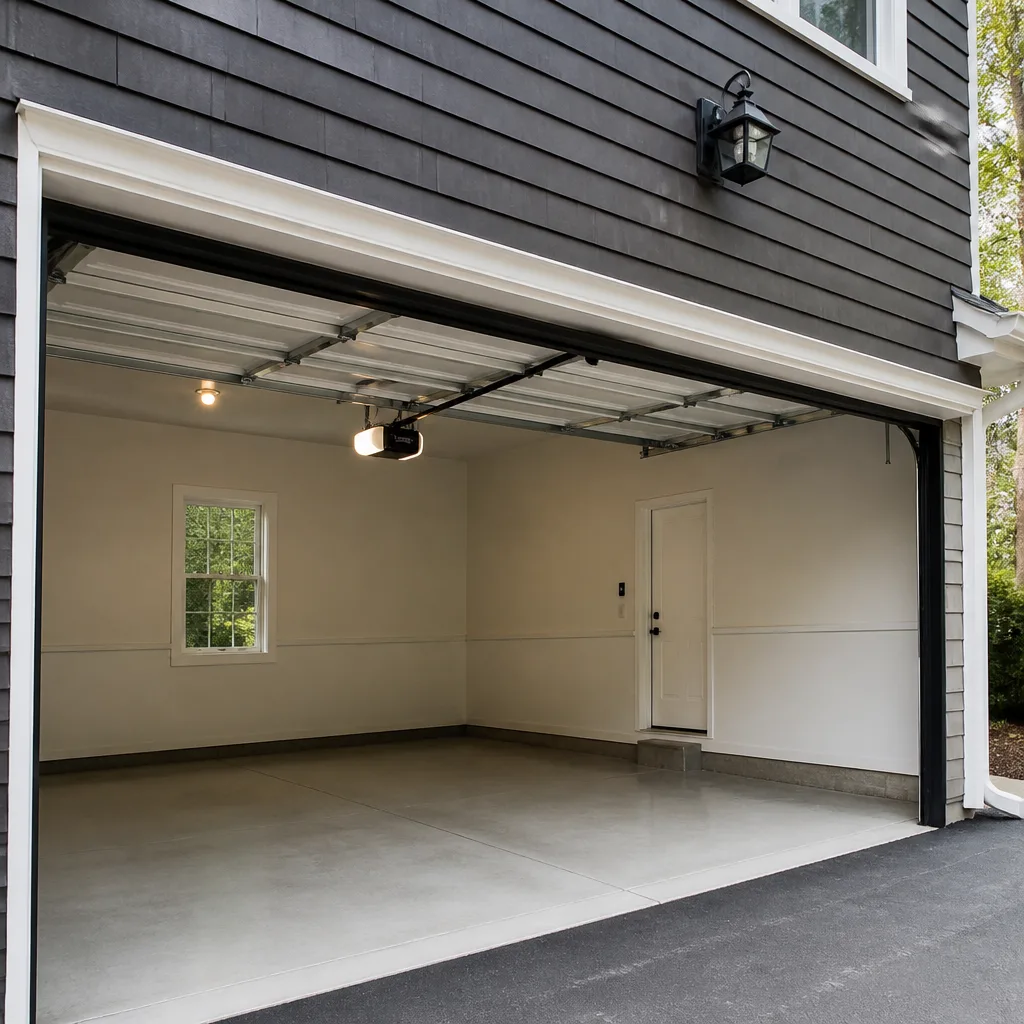 Chamberlain openers
Full 25-point door and opener safety check with every visit - springs, cables, rollers, tracks, and your LiftMaster or Chamberlain opener included
You get a price before we start. It does not change when the pro arrives.
Get your free estimateGarage Door Permits, Codes & Inspections in Princeton Heights, MO: What You Need to Know
Most garage door work in Princeton Heights doesn’t need a permit. That’s the part people get wrong in the other direction, assuming every project needs one and skipping the paperwork entirely because the process feels like a hassle. The truth is narrower and more useful: simple repairs and like-for-like replacement rarely trigger a permit, but structural changes to the opening, new electrical circuits, and certain installation details do. This guide maps where that line actually sits for Princeton Heights, what St. Louis County and Missouri residential code expect, and how to check permit history on a home before you buy it.
Styles & brands we work with
- Raised-panel steel
- Carriage house
- Modern flush
- Full-view glass
- LiftMaster openers
- Chamberlain openers
Quick Answer
In Princeton Heights, MO, replacing a garage door with the same size and type usually doesn’t require a permit, but structural work on the opening (widening, header changes, new framing), new electrical work for an opener circuit, and any modification that affects fire separation between the garage and the house typically do. Opener replacements on an existing circuit are generally treated as a repair. Always confirm with the City of St. Louis building department before work starts, because the final word on any specific job is theirs, not ours.
Table of Contents
- Where the Permit Line Sits in Princeton Heights
- Structural Changes vs. Simple Replacement
- When a New Door Installation Triggers a Code Review
- UL 325, Openers, and Older Systems in Princeton Heights
- Permit for a New Door vs. a Permit for Structural Work
- Checking Permit History Before You Buy
- What an Inspection Actually Looks At
- Common Mistakes to Avoid
- When to Call a Professional
- Frequently Asked Questions
- The Bottom Line
Where the Permit Line Sits in Princeton Heights
The cleanest way to think about garage door permits in Princeton Heights is to separate the work into three buckets: pure repair, replacement, and modification. Most homeowners only ever deal with the first two. The third is where the paperwork lives.
Pure repair covers springs, cables, rollers, hinges, tracks that get straightened rather than relocated, and opener motor or logic board swaps on an existing circuit. These are maintenance and restoration of a system that already exists in its approved position. No permit.
Replacement is a new door in the same opening, same dimensions, same headroom, using the existing tracks or equivalent tracks in the same location. In Princeton Heights this is usually treated as a repair of like-for-like, and most of the time it doesn’t require a permit. There are exceptions, and they cluster around two things: whether the door’s weight or operation changes meaningfully, and whether the opener’s wiring needs to be touched.
Modification is where the permit question actually matters:
- Widening or heightening the opening
- Changing the header, adding a beam, or altering the framing above the opening
- Relocating the door or converting a wall to a door opening
- Adding a new electrical circuit for an opener where none existed
- Any work that changes the fire separation between the attached garage and the living space
Those categories touch structural or electrical code, which is why they show up on a permit application. If your project is one of them, call the City of St. Louis building department before anything gets ordered or cut. They will tell you what they want to see. In our experience, that call takes ten minutes and saves weeks.
Princeton Heights sits inside the City of St. Louis, so the permitting authority here is the city’s building department, not St. Louis County. That distinction trips people up constantly because so much of the surrounding metro is county jurisdiction. If you live south of the city line you’re dealing with the county; if you’re in Princeton Heights, you’re dealing with the city. The rules aren’t dramatically different, but the forms, the review process, and the inspection scheduling are separate systems, and filing with the wrong one wastes time.
Structural Changes vs. Simple Replacement
The difference between structural work and simple replacement comes down to one question: does the opening, its framing, or its load path change? If no, you’re almost always in repair territory. If yes, you’re in permit territory, and no amount of “it’s just a garage door” reasoning will change that.
A simple replacement keeps the same rough opening. The header stays where it is. The jack studs stay where they are. The tracks mount to the same surfaces in the same place. The door goes up and comes down in the same envelope it always did. Nothing about the house’s structure or geometry is different after the job than before it.
Structural work changes the geometry. Widening the opening by a foot means cutting the header and reframing it to carry the load over a wider span. Raising the opening means moving the header up, which can mean a different header size and different framing above. Changing a wall into a door opening is a full structural change. Each of these affects how loads travel from the roof and upper floor down to the foundation. A garage door opening is one of the largest structural penetrations in a residential building, and the framing around it does real work.
Here’s the practical test we use when a Princeton Heights homeowner asks whether their project needs a permit:
- Is the rough opening the same size? If yes, keep going. If no, you likely need a permit.
- Is the header being cut, replaced, or resized? If yes, you need a permit.
- Is any framing being added or removed around the opening? If yes, you need a permit.
- Is new electrical being run for an opener? If yes, that’s usually an electrical permit, separate from a building permit.
- Does the door’s weight or operation change enough that the tracks or springs need to be different? Not usually a permit issue by itself, but it tells you the door is no longer like-for-like, and that’s worth mentioning to the building department.
If all five answers come back “no,” you’re most likely in simple replacement and can proceed without a permit. If even one comes back “yes,” pick up the phone and ask. The building department would much rather answer a question than inspect a problem.
When a New Door Installation Triggers a Code Review
A new garage door garage door installation in Princeton Heights is usually routine. There’s no code section that says “every new door needs a permit,” and in the vast majority of cases a same-size replacement with a new door and opener sails through without one. But there are specific triggers that move a project from routine to reviewed, and they’re worth knowing before you order anything.
Header reinforcement. If the existing header over the opening is undersized, sagging, or notched, a new door installation is the moment that discovery surfaces. Sometimes a contractor removes the old door and finds a header that was never adequate. Sometimes the new door is heavier (a thicker insulated model, for instance) and the installer flags that the existing framing should be looked at. Either way, once the framing is touched, you’re in structural territory and the permit question changes. Clopay and Amarr doors come in a range of weights depending on insulation and construction, and the difference between a basic steel door and a fully insulated one is meaningful when you’re looking at the springs and the framing that supports the tracks.
Fire separation. An attached garage is separated from the living space by a wall and a ceiling assembly that are supposed to resist fire for a period of time. Most residential construction uses what’s called a fire-rated assembly for that separation. Any work that penetrates or modifies that separation, including a door opening change or a new ceiling penetration for a garage door opener, can trigger a code review. This is more common than people expect, because openers are often mounted to ceiling framing that’s part of that separation assembly. Replacing an opener using the same mounting points is usually fine. Cutting new mounting points or adding structure is the point where you should ask.
Electrical. A new opener on an existing circuit is a repair. A new circuit, a new outlet in the garage ceiling, or a change to the panel to accommodate a new circuit is electrical work and typically requires an electrical permit. In an older garage where the opener was wired with an extension cord to a ceiling outlet, upgrading that wiring properly is worth doing and worth permitting.
Egress and dimension changes. If the new door is part of a larger project that changes the garage’s footprint, height, or relationship to the house, the whole project gets reviewed. A standalone new door in an unchanged opening doesn’t.
If you’re planning a new door and want to sort this out before you commit, the safest path is to describe the job to the building department exactly as it is. “Same size, same location, new door and opener, existing circuit” is a different conversation from “we want to widen the opening two feet.” Both are answerable; they just get different answers.
UL 325, Openers, and Older Systems in Princeton Heights
UL 325 is the safety standard for garage door operators, and it’s the reason modern openers have photo eyes and force-sensing reversal built in. It’s not a building code, and it doesn’t require you to upgrade an old opener the moment a new standard is published. But it does shape how inspections, insurers, and home inspectors view an opener, and in Princeton Heights the practical impact shows up most on older homes with legacy equipment.
Here’s what changed over the decades and why it matters:
- Pre-1982 openers typically had no automatic reversal of any kind. The door went down and stayed down unless you hit the button again.
- 1982 onward brought constant-pressure and then momentary-contact designs, with a reversing mechanism driven by force sensing.
- 1993 onward added the photo-eye requirement. A beam across the opening that, when broken, reverses the door.
- Modern openers (LiftMaster, Chamberlain, Genie, Craftsman) combine photo eyes, force limits, battery backup on many models, and app-based monitoring. The safety layer is much thicker than it used to be.
What this means for a Princeton Heights homeowner is straightforward. If your garage was built or last updated decades ago and the opener is original to that era, it probably lacks one or more of these safety features. It may still operate. It may never have given you a problem. But an inspector looking at the home during a sale will note the absence of photo eyes or a functioning reversal, and an insurance adjuster looking at a claim will care about the same thing. The safety standard isn’t retroactive law, but it is the baseline professionals use to judge whether a system is safe to operate.
Testing your own opener’s reversal is simple and safe and doesn’t require any tools. Put a roll of paper towels or a 2×4 flat on the floor in the door’s path and run the door down. It should reverse on contact. Then break the photo-eye beam with your leg while the door is closing. It should reverse immediately. If either test fails, stop using the opener and get it looked at. garage door opener repair on a legacy unit is often a matter of replacing a photo eye pair, a logic board, or a stripped gear, and it’s usually more economical than replacing the whole opener for a single failed safety component.
Missouri residential code doesn’t mandate a specific opener model or a specific upgrade schedule. It defers to the manufacturer’s listing and to UL 325 for the equipment itself. So the practical rule is: if the unit is listed to UL 325, installed per its listing, and its safety features work, it’s fine. If it isn’t, it isn’t, regardless of whether anyone has ever complained.
Permit for a New Door vs. a Permit for Structural Work
These are two different permits for two different scopes, and conflating them is one of the most common sources of confusion we see in Princeton Heights. A new door permit (where one is required at all) is about the door as an installed product. A structural permit is about the building. Knowing which you need tells you who to call and what to expect.
The new door permit path is short. You’re telling the city that a door of a certain size, weight, and safety listing is being installed in an existing, unchanged opening. The review is typically about the door’s compliance with the adopted building code and the manufacturer’s installation instructions. In many cases no permit is required for this at all; where one is, the inspection is quick. The inspector looks at the door, the tracks, the springs, the opener, and the label. If it’s installed to spec, it passes.
The structural permit path is longer. You’re changing the building. That means drawings, sometimes an engineer’s stamp depending on the scope, a plan review, and inspections at multiple stages: framing before the door goes on, sometimes sheathing, and a final. This is a real project with a real timeline, and the cost of the permit itself is a small part of the total. What people underestimate is the time. Plan review alone can run weeks depending on the department’s workload.
Here’s a comparison worth keeping in mind:
- New door, same opening: usually no permit; if required, single inspection at completion.
- New door, opener on existing circuit: same as above; the opener is treated as equipment.
- New opener, new circuit: electrical permit, single inspection.
- Widened or raised opening: structural permit, drawings, plan review, staging inspections.
- Header replacement or reinforcement: structural permit; the header size and connections will be reviewed.
- New opening cut into an existing wall: structural permit plus likely electrical if an opener is added.
If you’re unsure which path applies, describe the work to the building department in plain terms: “I’m replacing the door in the existing opening” versus “I want to widen the existing opening by two feet.” The first sentence and the second sentence route to different desks. If you’re scheduling garage door repair and the scope is genuinely repair, you’re not in either path and the question doesn’t come up.
Checking Permit History Before You Buy
Before you buy a home in Princeton Heights, pull the permit history on the garage. It’s one of the fastest checks you can do, it costs nothing, and it surfaces exactly the kind of unpermitted modification that can turn into a problem at closing. A garage door opener swap or a structural change that was done without a permit doesn’t announce itself. The permit record is how you find it.
Here’s how to do it:
- Start with the City of St. Louis building department. They maintain permit records by address. Call or use their online search if one is available, and ask specifically for permits filed against the property’s address, including any that were applied for and never closed out.
- Ask for the inspection history, not just the permit list. A permit that was pulled but never received a final inspection is a yellow flag. It means the work may be incomplete or may have failed inspection and been abandoned.
- Compare the permit dates to the improvement dates. If the garage door or opener looks newer than any permit on record, ask the seller when it was installed and by whom. A like-for-like replacement with no permit is fine. A structural change with no permit is not.
- Check the county records too if the property has ever been in unincorporated St. Louis County. Boundary changes happen over decades, and a permit filed with the county in an earlier era may not appear in city records.
- Look at the garage physically for the usual tells. Mismatched framing around the opening, a header that’s been cut or sistered, fresh concrete at the base of the opening where the slab was patched, tracks mounted to new blocking, or an opener mounted to framing that doesn’t match the rest of the ceiling. Those are the fingerprints of unpermitted work.
- Ask the home inspector to specifically note the garage door and opener. Most inspectors already do, but tell them you care about the permit history and want a note on whether the installation looks like a same-size replacement or a structural change.
If you find unpermitted structural work, it’s not automatically a dealbreaker. It’s a negotiating point. You can ask the seller to permit it retroactively, ask for a credit, or walk. What you don’t want is to discover it after closing, when the cost and the timeline are entirely yours. In our experience, retroactive permitting is doable but it’s always more work than permitting it in the first place, and it can involve opening up finished surfaces to let an inspector see the framing.
The other thing to check while you’re in there: the door’s own safety features. A Princeton Heights home with an older Chamberlain or Genie opener may still have the original photo eyes, or may have had them removed. Testing the reversal and the beam takes two minutes and tells you whether the system is safe to operate as-is.
What an Inspection Actually Looks At
An inspection for a garage door project in Princeton Heights is usually short and focused. The inspector isn’t there to evaluate the quality of the installation in an aesthetic sense. They’re there to confirm the work matches what was permitted and meets the code that was in force when the permit was issued. Knowing what they look at helps you make sure the job is ready when they arrive.
The typical inspection covers:
- The door and its labeling. The door should carry its manufacturer’s label, and the installation should match the manufacturer’s instructions. For a Clopay or Amarr door, that means the correct track configuration, the correct springs for the door’s weight, and the correct anchoring.
- The opening and framing. For structural permits, the inspector will look at the header, the jack studs, the king studs, and the connections. They’ll confirm the framing matches the approved drawings.
- The opener and its safety features. Photo eyes present, mounted at the correct height, aligned, and functioning. Force reversal functioning. The manual release functioning.
- Electrical connections. For electrical permits, the inspector will look at the circuit, the box, the connections, and the grounding. An opener plugged into an extension cord is not going to pass.
- Fire separation. Where the work touches the separation between garage and house, the inspector will confirm the assembly is intact and rated as required.
What the inspector won’t do is test your springs for fatigue, evaluate whether the door is balanced, or tell you the opener is on its last legs. Those are maintenance questions, and they’re outside the scope of a permit inspection. If you want that kind of evaluation, that’s a service call, not an inspection, and it’s worth doing separately, especially on an older home where the door and opener have been in place for a long time. A balanced door with healthy springs and a functioning opener is a safer door, regardless of what the permit file says.
One practical note: inspections are scheduled, and the timeline depends on the department’s workload. Build that into your project plan. Don’t schedule a final inspection for the same week the door goes on and expect it to happen. If the project is a simple replacement with no permit, there’s no inspection to schedule and the door goes into service as soon as it’s installed and tested.
Common Mistakes to Avoid
- Skipping the permit because the work “seems small.” The size of the job is not the test. A two-foot widening of an opening is a small amount of work and a structural change. Ask the building department what they want, not what feels proportionate.
- Assuming county rules apply inside the city line. Princeton Heights is in the City of St. Louis, and the city has its own building department. Filing with the county or following county guidance can send you down the wrong path entirely.
- Treating an opener swap and an opener circuit as the same thing. Replacing an opener on the existing wiring is a repair. Running new wiring for an opener is electrical work. The second one usually needs a permit; the first one usually doesn’t.
- Pulling a permit and never closing it out. An open permit on the record is a problem at sale time. If a permit is pulled, make sure the final inspection happens and the permit is closed.
- Not checking permit history before buying. The time to discover unpermitted structural work is before closing, not after. Pull the history, compare it to the physical evidence, and ask questions.
- Ignoring UL 325 safety features on an older opener. A garage that works isn’t the same as a garage that’s safe. Photo eyes and force reversal exist for a reason, and an opener without them is a liability whether or not a permit was ever involved.
- Doing spring or cable work yourself. Torsion springs and the cables under tension are the most dangerous components on a garage door. A spring under load can cause serious injury, and no permit or inspection is going to protect you from that. This is a job for a trained technician, every time.
When to Call a Professional
Some garage door questions are code questions. Some are repair questions. The permit side is usually answerable with a phone call to the city. The repair side is where a trained technician matters, and it’s the side where the risk is real. Broken springs, snapped cables, doors that have come off their tracks, openers that reverse or fail to reverse, and doors that won’t close all the way are all jobs that need someone who works on them every day.
We work on the major brands including Chamberlain, Genie, Clopay, and Amarr, and we handle spring work directly. Springs are dangerous, and that’s not a marketing line: high-tension torsion and extension springs store an enormous amount of energy, and the tools and technique for handling them safely are not something to improvise. If your door has a broken spring, don’t run the opener. Call.
Garage Door Repair Princeton Heights offers free estimates in Princeton Heights. Call (855) 799-9554 to schedule one. We answer 24/7. Fast dispatch from 7am to 7pm, Sunday through Friday. Our technicians have up to 11 years of experience, and the price is quoted and agreed before any work starts.
Frequently Asked Questions
In most cases, no. Replacing a garage door with the same size and type in the existing opening is usually treated as a like-for-like repair and doesn’t require a permit in Princeton Heights. If the opening, framing, or electrical circuit is being changed, a permit is typically required. Confirm with the City of St. Louis building department before work starts, since they have the final word on any specific project. Call (855) 799-9554 for a free estimate on the door itself.
Usually not, if the new opener uses the existing electrical circuit and mounting points. Replacing the opener is treated as equipment repair. If a new circuit, new outlet, or new mounting structure is needed, that work typically requires an electrical permit and possibly a building permit. Call (855) 799-9554 to talk through your opener situation.
Structural changes to the opening, header work, new framing, new electrical circuits, and any modification that affects the fire separation between the garage and the house all trigger a permit. Widening or raising the opening, converting a wall into a door opening, and adding a new opener circuit are the most common examples. A phone call to the city building department will confirm which one applies. Call (855) 799-9554 if you need the door work done once the permit side is sorted out.
Start with the City of St. Louis building department and ask for all permits and inspections filed against the address, including any that were never closed out. Compare those dates to the physical condition of the garage, looking for mismatched framing, new blocking where tracks are mounted, or an opener mounted to framing that doesn’t match the rest of the ceiling. Then ask your home inspector for a specific note on the garage door installation. Call (855) 799-9554 if you’d like a repair estimate on anything the inspection turns up.
Not automatically. UL 325 is a safety standard, not a building code, and Missouri residential code doesn’t require you to upgrade an opener the moment a newer standard takes effect. That said, an opener without functioning photo eyes or force reversal is a safety risk, and home inspectors and insurers will flag it. If your opener lacks these features, it’s worth having it evaluated. Call (855) 799-9554 for opener repair or replacement pricing.
It depends on the job: a spring replacement, a cable, an opener board, or a set of rollers all fall in different ranges. The written estimate sets the final price, and it’s quoted and agreed before any work starts, so there’s no surprise on the invoice. Call (855) 799-9554 for a free estimate. We answer 24/7. Fast dispatch from 7am to 7pm, Sunday through Friday.
The Bottom Line
Most garage door work in Princeton Heights doesn’t need a permit, and that’s the point worth holding onto. Simple repair, like-for-like replacement, and opener swaps on existing wiring are standard trade work and don’t involve the building department. The exceptions are structural: changes to the opening, header work, new framing, new electrical circuits, and anything that touches fire separation. Those are the projects where a permit protects you, and where skipping it can surface years later during a sale. When in doubt, call the City of St. Louis building department and ask. It’s a short call with a clear answer. Then Garage Door Repair Princeton Heights can handle the door itself, with free estimates and upfront pricing.
If your garage door needs repair, a new opener, or a full replacement, call (855) 799-9554 for a free estimate. We answer 24/7. Fast dispatch from 7am to 7pm, Sunday through Friday. Our technicians have up to 11 years of experience across LiftMaster, Chamberlain, Genie, Clopay, Amarr, Wayne Dalton, Craftsman, and Raynor systems, and the price is quoted and agreed before any work starts.
Written by the team at Garage Door Repair Princeton Heights.
See the difference
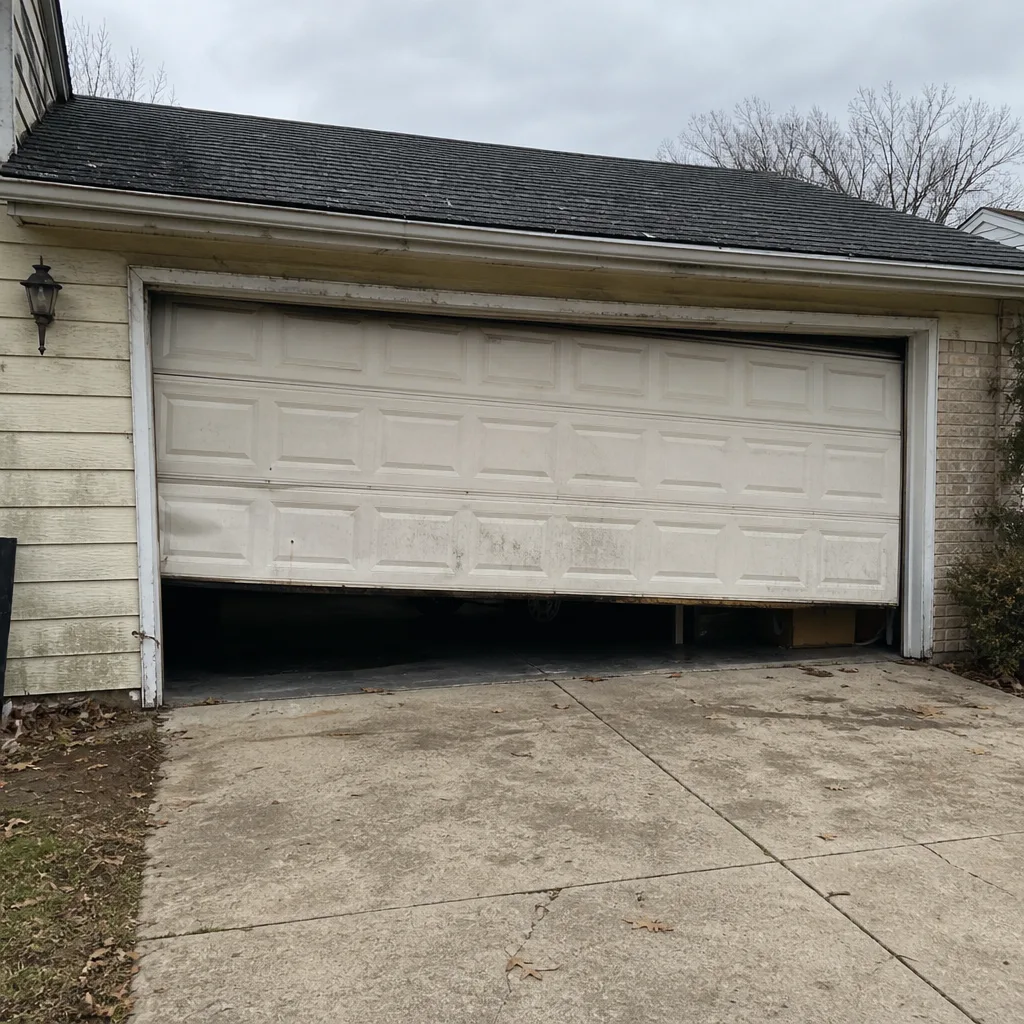 Before
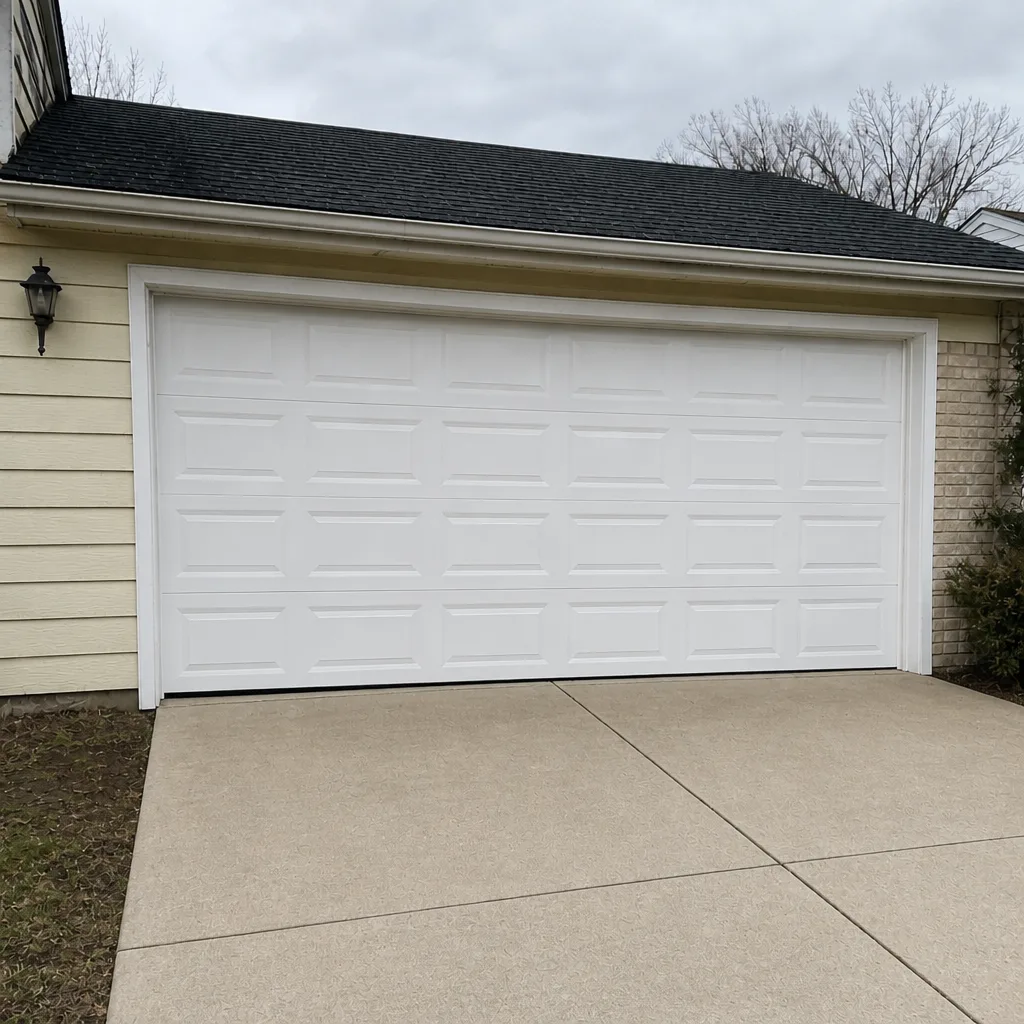 After
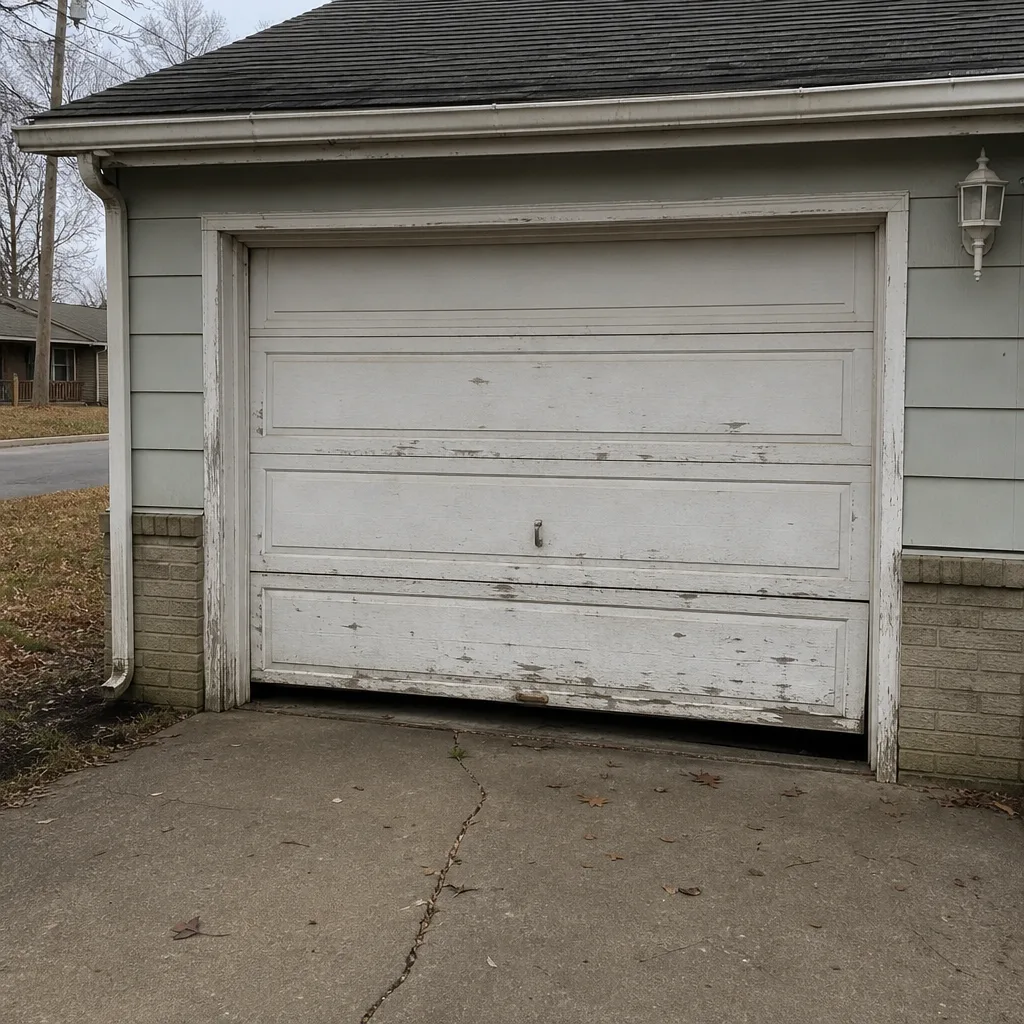 Before
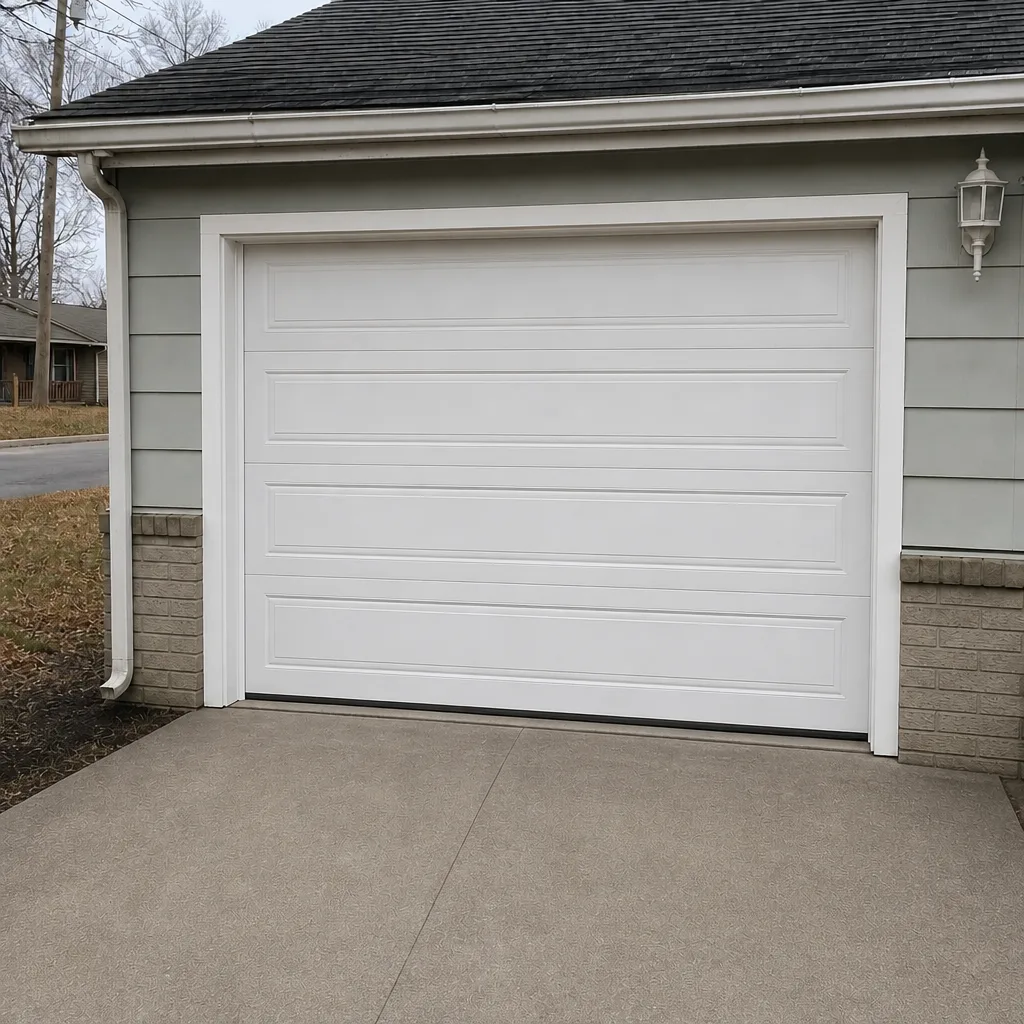 After
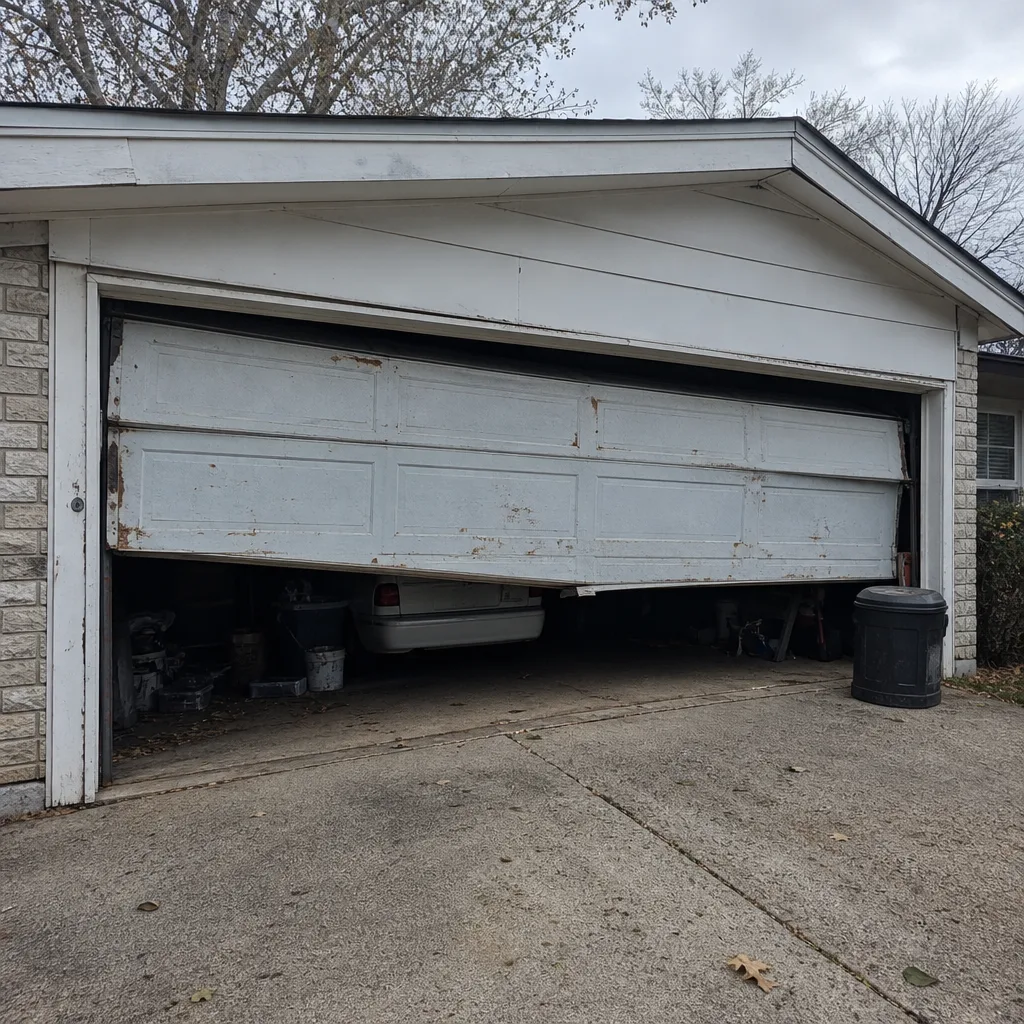 Before
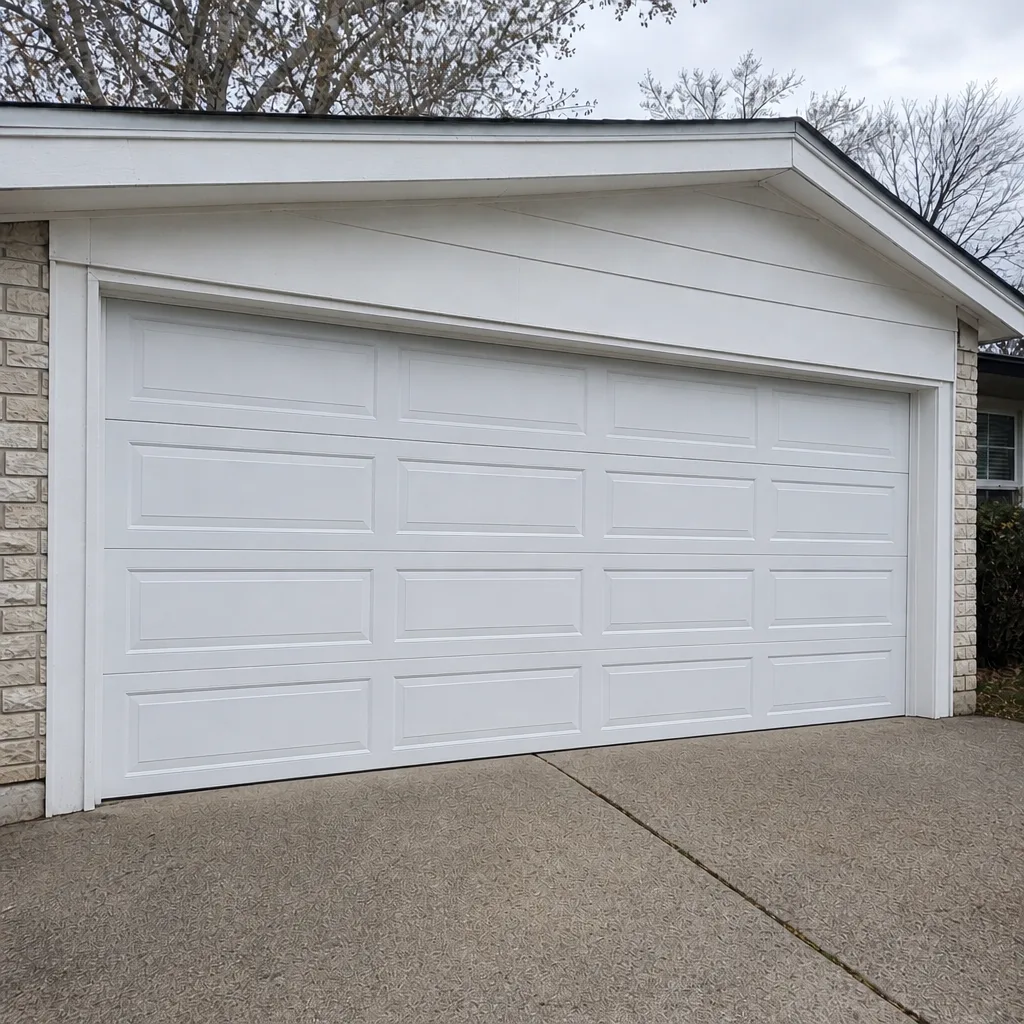 After