
Last updated November 21, 2026
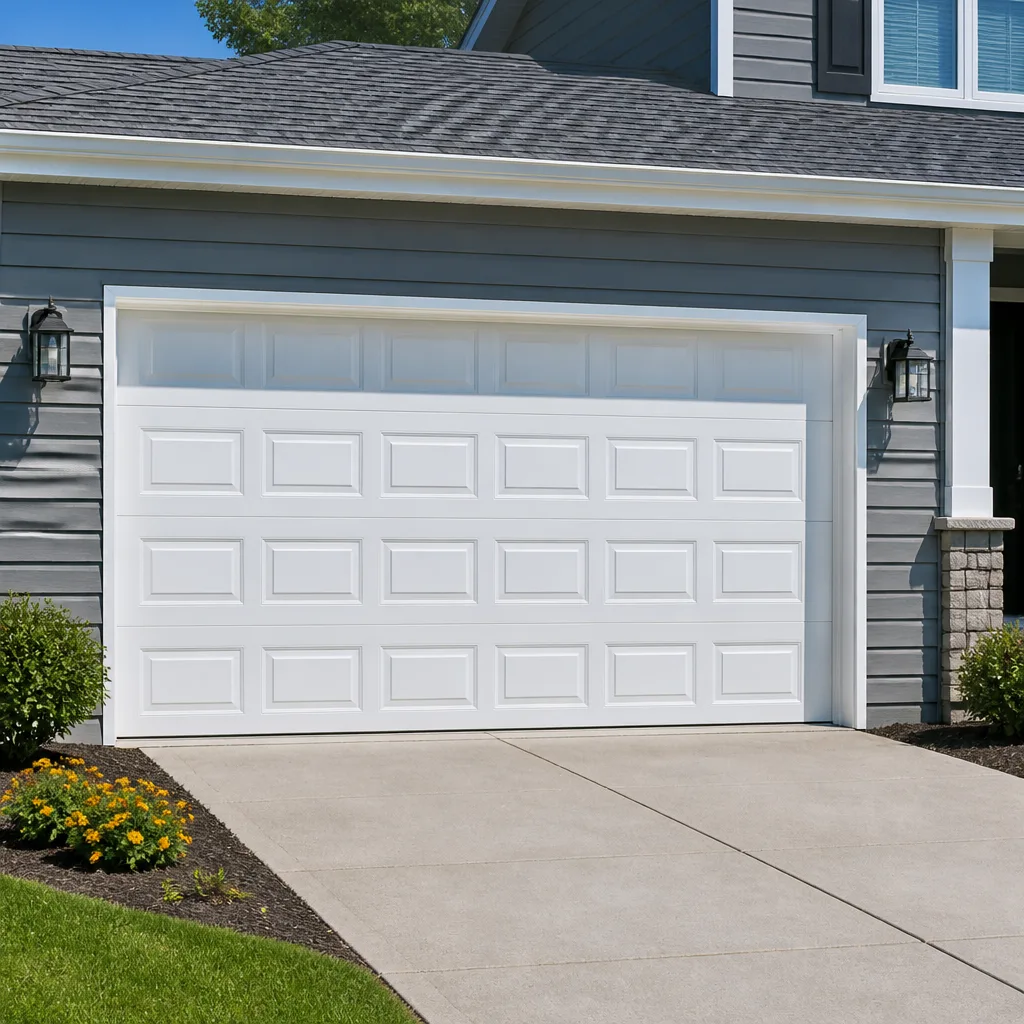 Raised-panel steel
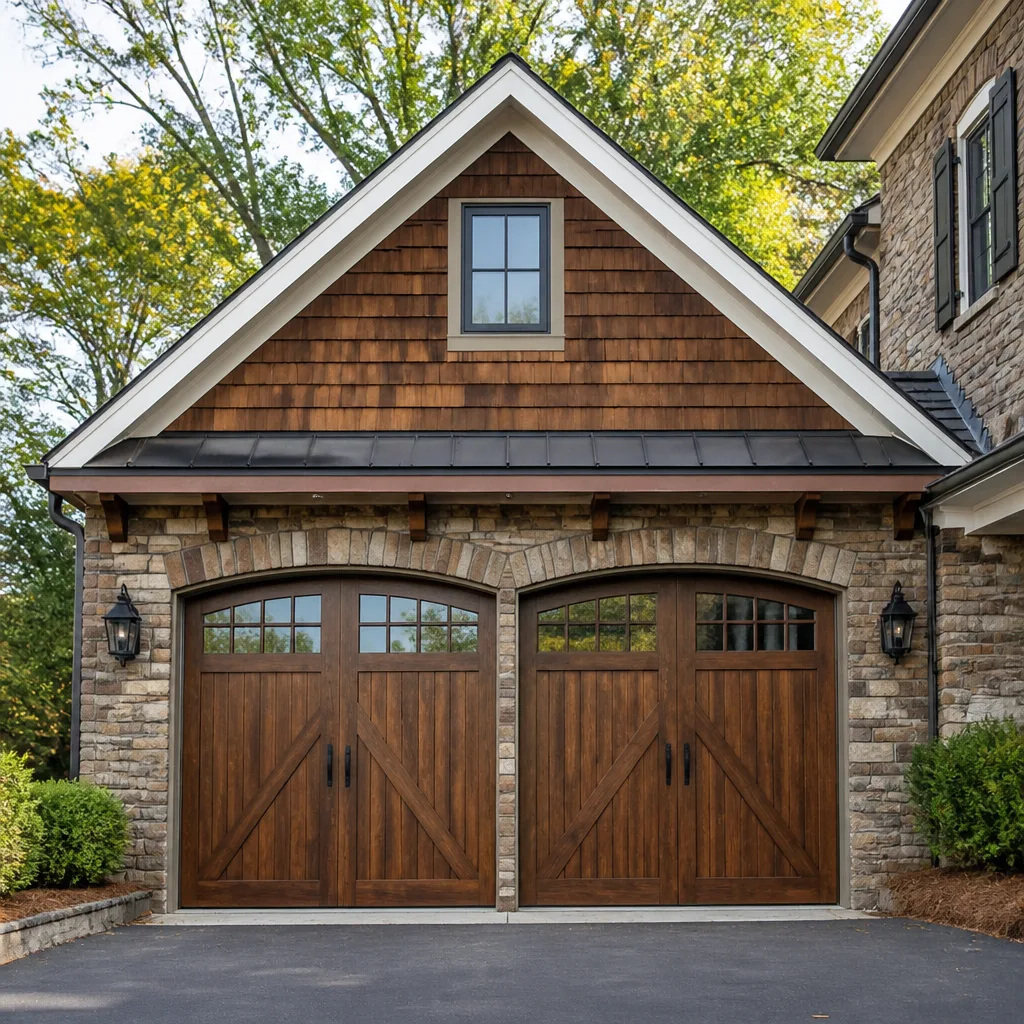 Carriage house
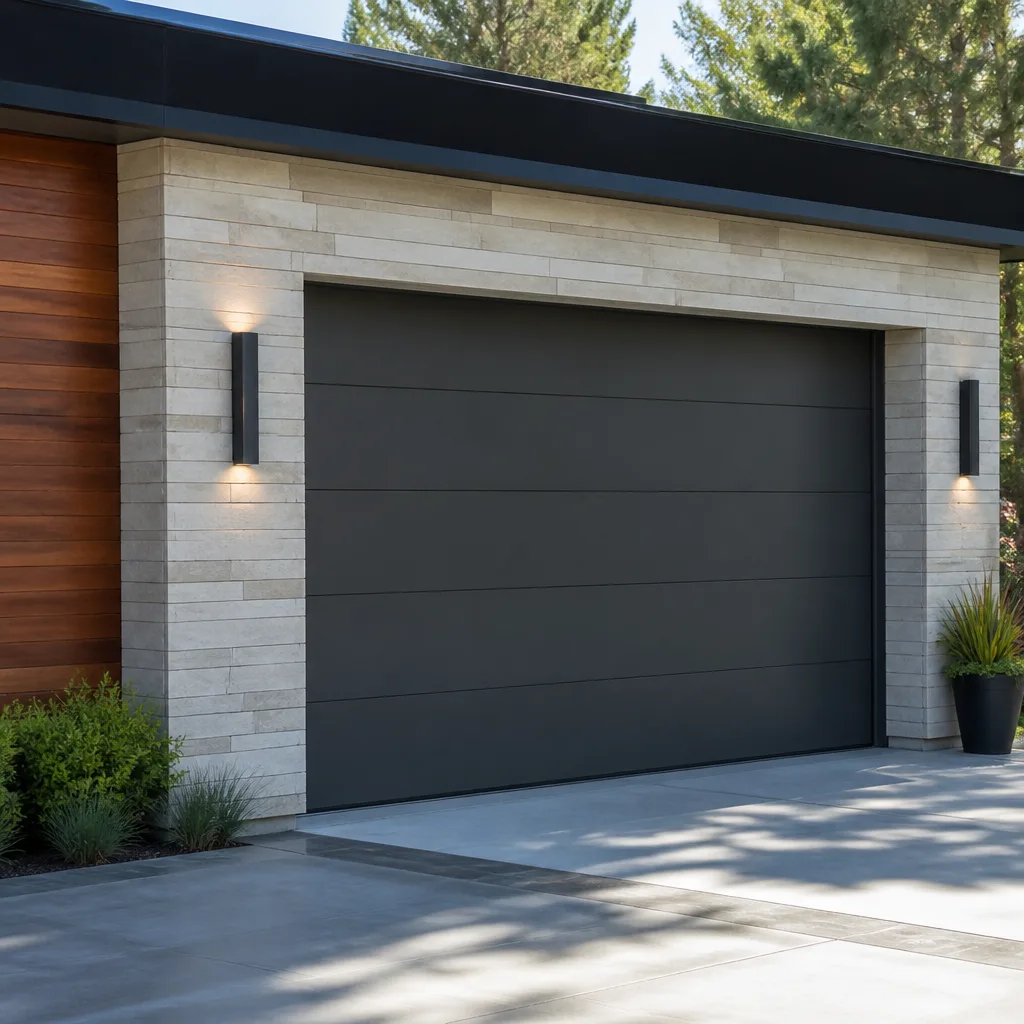 Modern flush
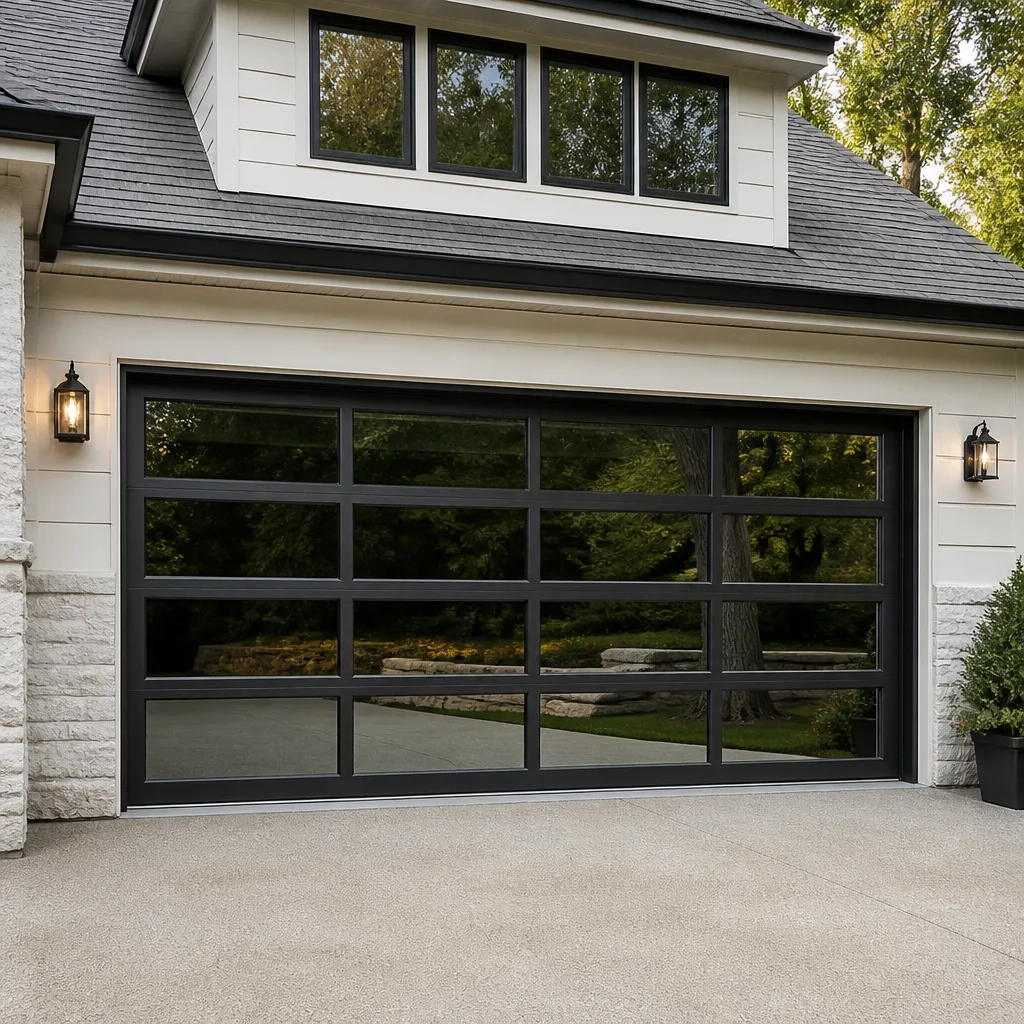 Full-view glass
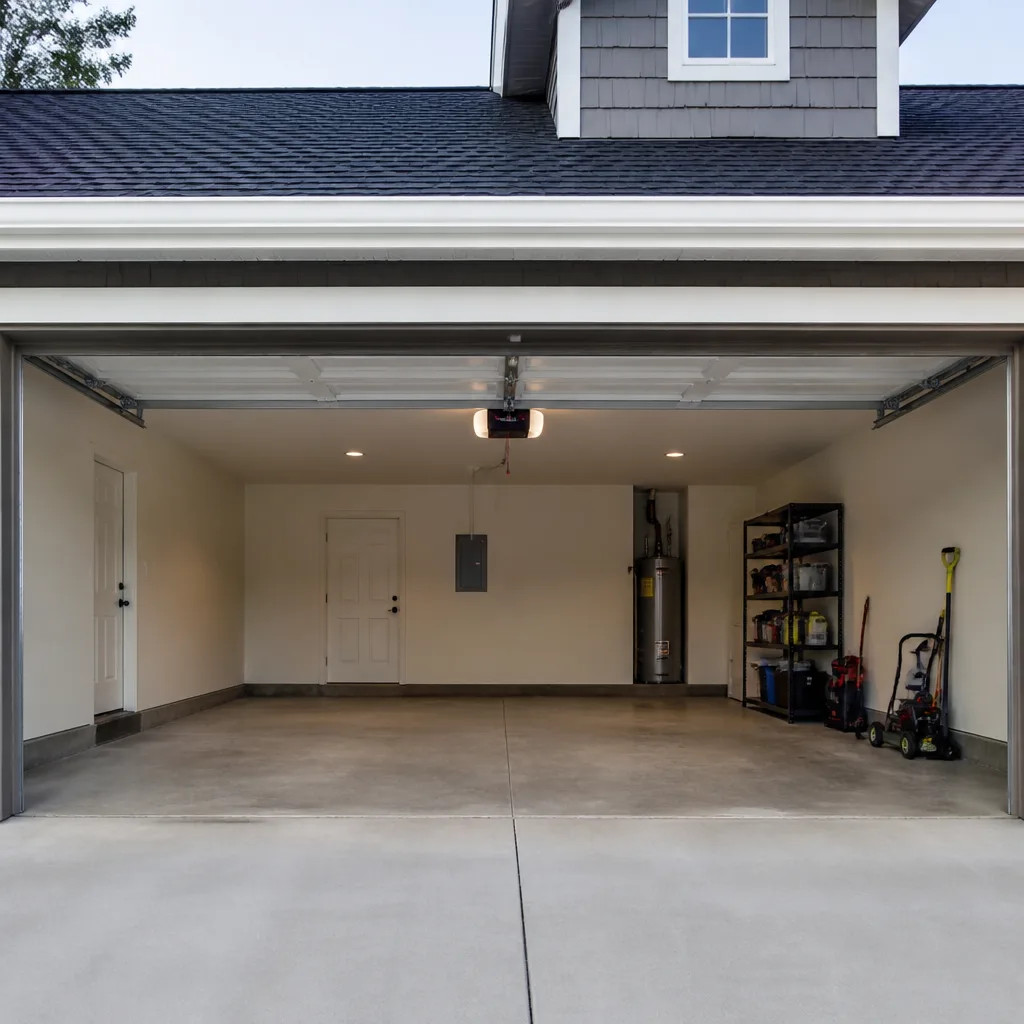 LiftMaster openers
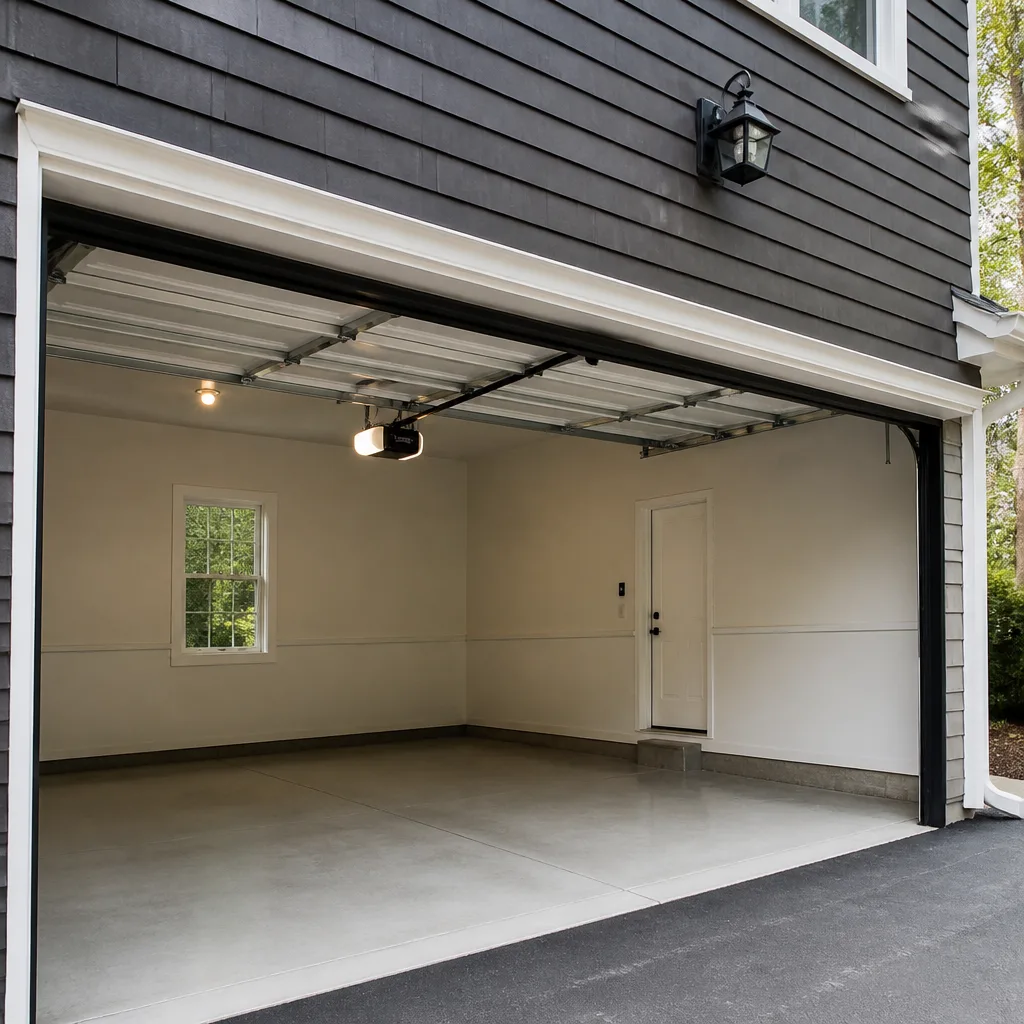 Chamberlain openers
Full 25-point door and opener safety check with every visit - springs, cables, rollers, tracks, and your LiftMaster or Chamberlain opener included
You get a price before we start. It does not change when the pro arrives.
Get your free estimateDIY vs Professional Garage Door: The Princeton Heights Homeowner’s Decision Guide
Most garage door advice gets the line wrong. People either treat the whole system as untouchable, or they treat it like a fence gate and start unbolting. The real boundary isn’t confidence and it isn’t mechanical skill. Torsion springs, when wound, hold roughly 100 ft-lbs of torque. When a winding bar slips out of that spring, the energy releases into the nearest solid object, which is usually the person holding the bar. That is why the DIY line on garage door work is drawn at springs specifically, not at “anything mechanical.” Some of this work you can do yourself this week and save real money. Some of it will put you in an emergency room. This guide draws that line task by task, so you make the right call in Princeton Heights.
Styles & brands we work with
- Raised-panel steel
- Carriage house
- Modern flush
- Full-view glass
- LiftMaster openers
- Chamberlain openers
Quick Answer
Safe DIY garage door work is limited to routine maintenance and light adjustments: lubricating rollers, hinges, and tracks, replacing the bottom seal, changing opener remote batteries, and testing the door’s balance and safety reverse. Everything that involves the springs, the cables, the torsion shaft, the drums, or the high-voltage side of an opener should go to a trained technician. The dividing line is stored mechanical energy and electrical hazard, not how handy you are.
Table of Contents
- Where the DIY Line Actually Falls
- The Garage Door Tasks You Can Safely Do Yourself
- DIY Tasks Princeton Heights Homeowners Overpay For
- How to Do a Balance Test and Manual Disconnect
- What Happens When Springs and Cables Go Wrong
- Sourcing the Right Parts for a Legitimate DIY Repair
- Opener Repairs: When It’s Electronics, Not Mechanics
- How Princeton Heights Weather and Housing Affect Your Door
- Common Mistakes to Avoid
- When to Call a Professional
- Frequently Asked Questions
- The Bottom Line
Where the DIY Line Actually Falls
Garage door systems split into two categories, and the split is not about how hard the work looks. It’s about stored energy. The springs and the components under their tension hold force whether the door is moving or not. The door panel, the tracks, the rollers, and the opener housing mostly don’t. Once you understand that, the safe tasks and the dangerous tasks sort themselves out cleanly.
Here’s the task-by-task breakdown, and the mechanical reason behind each call:
- Lubricating rollers, hinges, and springs: Safe DIY. The springs aren’t being adjusted, only wiped and coated. No tension changes hands.
- Replacing the bottom weather seal: Safe DIY. It slides into its retainer with no load on it.
- Changing remote and keypad batteries, reprogramming remotes: Safe DIY. This is consumer electronics inside the opener head, not the door mechanism.
- Testing balance and safety reverse: Safe DIY, and genuinely worth doing. Covered in a section below.
- Adjusting travel limits and force settings on the opener: Borderline. The settings themselves are safe to touch; getting them wrong can cause the door to reverse on something in its path or crush it. Do it carefully and test the safety reverse afterward.
- Tightening loose track bolts and hinge screws: Safe DIY as long as the door is fully closed and you’re not loosening anything under load.
- Replacing a torsion spring or extension spring: Never DIY. This is stored energy at its most concentrated. Winding a torsion spring requires specific winding bars and the knowledge of how many turns the spring needs for your door’s weight and height. A slip injures hands, arms, and faces.
- Replacing cables, drums, or the torsion shaft: Never DIY. The cables are what the springs pull against. They’re under tension whenever the door is down, and a cable that lets go can swing with real force.
- Replacing a bottom bracket or center bearing plate: Never DIY. Both sit in the spring’s load path.
- Rewiring an opener or replacing the circuit board: Not DIY. Openers connect to household power. That belongs to a technician.
If you want the work done properly and don’t want to touch the dangerous categories, our Garage Door Repair Princeton Heights team handles the whole list, including the parts you’d otherwise source yourself.
The Garage Door Tasks You Can Safely Do Yourself
These are the jobs worth doing on your own. None of them involve releasing spring tension, and none require specialized tools. A socket set, a screwdriver, a tube of garage door lubricant, and a stepladder cover most of it. Setting aside an hour or two twice a year keeps the door quieter, keeps the opener under less strain, and catches problems before they become a repair.
- Lubricate the moving metal parts. Use a garage-door-specific lubricant, not WD-40 or general-purpose grease. Spray the roller bearings, the hinge pivots, and the spring coils. Wipe excess so it doesn’t attract grit.
- Inspect and replace the bottom seal. Look for cracking, tears, or a seal that no longer meets the floor. A worn seal lets in water, cold air, and insects. Slide the old one out of its retainer and slide the new one in.
- Test the safety reverse. Place a two-by-four flat on the floor in the door’s path and close the door. It should reverse within a second or two of meeting the board. If it doesn’t, the opener needs adjustment.
- Test the photo-eye sensors. Wave an object in front of the sensors while the door is closing. The door should reverse. Clean the lenses with a soft cloth if they’re dusty.
- Check the balance. Details in a section below. This is the single best diagnostic a homeowner can run.
- Tighten hardware. With the door fully closed, check the hinge screws and the track bolts. Snug them, don’t overtighten, and never back a bolt out of a bracket under tension.
- Replace remote and keypad batteries. Straightforward, and it solves more “dead remote” calls than people expect.
What makes these safe is what they don’t do: they don’t change the amount of tension in the springs, and they don’t put your hands near a loaded cable. If a job falls outside this list, it’s not a maintenance task. It’s a repair.
DIY Tasks Princeton Heights Homeowners Overpay For
Not every call to a garage door company is a call you needed to make. In our experience, a portion of the routine service work homeowners pay for around Princeton Heights could have been done in a half hour with a ladder and a screwdriver. There’s no harm in hiring it out. But if the goal is to spend money where it matters, these are the three jobs to keep for yourself.
- Bottom seal replacement. The part is inexpensive, and the swap is a slide-in, slide-out job on almost every residential door. It comes up annually in climates with a hot-cold swing, which Princeton Heights has more of than people realize.
- Opener battery and backup battery replacement. Most modern openers, including the LiftMaster and Chamberlain units we see most often, use a battery backup that fails after several years and needs swapping. It’s a consumer part, and it’s a homeowner job.
- Roller lubrication and hardware snugging. This is the single most overlooked maintenance item on any door. A door that squeals and grinds is often just dry. Ten minutes with lubricant quiets it and takes strain off the opener.
A note on what’s not on this list: a door that binds, jerks, or lifts unevenly can look like a lubrication problem but is often a balance or spring problem. Don’t chase it with lubricant. Track down what it actually is before you spend anything.
How to Do a Balance Test and Manual Disconnect
These are two skills every garage door owner should have, and both are completely safe when done correctly. The balance test tells you whether the springs are still doing their job. The manual disconnect lets you open a door when the opener quits or the power is out. Together they diagnose most door problems before you call anyone.
The balance test, step by step
- Close the door fully and pull the red manual release handle to disconnect the door from the opener.
- Lift the door by hand about halfway up. It should feel like the weight you’d expect from the door plus a bit of resistance, not a struggle.
- Let go at the halfway mark. A properly balanced door stays put. A door that sinks is a sign the springs have lost tension. A door that rises on its own is oversprung.
- Lower the door and check the same behavior at the quarter and three-quarter marks. Consistency across the travel matters more than the exact hold point.
- Reconnect by running the door up until the carriage re-engages, or by pulling the release cord while the door moves.
If the door fails the balance test, the springs need attention. Stop here. Don’t try to fix it yourself, and don’t keep running the opener on a door it can barely lift. Strain on a failing door is how cheap problems turn into expensive ones. Our garage door repair team can read the balance test result over the phone and tell you whether it’s a spring job or something else.
The manual disconnect
The red pull handle on the opener carriage disconnects the door from the belt or chain drive. It’s the first thing to reach for when the opener stops responding, when the power is out, or when something is jammed. Pull it straight down, lift the door by hand, and prop it or open it fully before you do anything else. To reconnect, run the opener until the carriage catches, or manually pull the door until the carriage engages the release mechanism. Test the balance before you reconnect, and never reconnect a door that’s held open by something other than its springs.
What Happens When Springs and Cables Go Wrong
This is the section that pays for the rest of the guide. Torsion and extension springs are the two spring types on residential doors, and both are mechanical energy storage devices. A torsion spring is wound and held by set screws on a shaft. An extension spring is stretched along the horizontal tracks. Each carries enough energy to move a 200-pound door up and down many times a day. That energy is there whether the door is moving or not.
The failure modes when this work is DIY’d without the right tools fall into a few predictable patterns:
- Winding bar slip. The torsion spring is wound with a steel bar inserted in the winding cone. Without the right bar length, the right grip, and the right number of turns, the bar can release. The spring unwinds in a fraction of a second and the bar becomes a projectile.
- Over-winding. Too many turns stores more energy than the door’s weight calls for. The door may work for a while, then jump, slam, or break a cable under excessive force.
- Under-winding. Too few turns leaves the opener carrying the door’s weight. The door still operates, but the springs no longer do their share, and the opener wears out fast. It also makes the door feel heavy on the manual disconnect.
- Cable slack and release. If the spring tension is set wrong or a drum is misaligned, a cable can go slack and then release under load. A released cable can swing across the garage. This is the failure most likely to break a door panel, tear a track off the wall, or bend a torsion shaft.
- Mismatched spring pairs. Torsion springs on most residential doors are a matched pair. Installing one new spring next to an aged one leaves the two sharing load unevenly, and the older spring tends to fail again sooner.
Any of these outcomes usually turns a spring replacement into a bigger job: a bent shaft, a cracked drum, a bent track, or a damaged panel. A proper spring replacement done by a technician costs the same springs plus labor. A DIY effort that goes wrong costs those same springs plus a shaft, a drum, tracks, panels, and a repair visit to correct all of it. Springs are among the highest-consequence repairs in the trade, and our technicians handle them as a core service for exactly that reason.
Sourcing the Right Parts for a Legitimate DIY Repair
If you’re staying inside the safe-DIY category, parts sourcing is still worth getting right. The hardware store version of most garage door parts is a universal fit that works on some doors and fits nothing well on others. Rollers, seals, and hinges differ in diameter, material, and load rating between brands, and a part that’s close enough can accelerate wear on everything around it.
A few rules of thumb for sourcing the right part:
- Match the brand and the model. The door’s brand and model are usually on a label inside the door panel or on the hinge plate. Openers carry a model sticker on the head unit. Note both before you order anything. We know parts and tolerances for Clopay, Amarr, Wayne Dalton, Raynor, and the other major brands well enough to tell which universal part will actually fit and which won’t.
- Order from a garage door parts supplier, not the general hardware aisle. A garage door supplier stocks the specific seals, rollers, and hinges the door was designed around.
- Don’t substitute a heavier or lighter roller. Rollers are rated by load and stem type. The wrong load rating wears unevenly and can cause the door to bind at the curves.
- For openers, use the brand’s part number. A LiftMaster or Chamberlain remote that looks identical to a Genie remote is not interchangeable. Neither are the wall consoles or the safety sensors.
- When in doubt, ask. We supply garage door parts directly, so getting the correct part is usually faster than a third-party order.
The right part, faster, is the whole reason parts matter. If you order wrong once and order again, you’ve spent more than the part cost in time and shipping.
Opener Repairs: When It’s Electronics, Not Mechanics
Here’s a distinction homeowners frequently miss. A door that won’t open is not always a door problem. It’s often an opener problem, and the two get diagnosed differently. On the opener side, lift the wall button first: if the door runs from the wall button but not the remote, the remote or the receiver is the issue. If the door runs from the remote but not the wall button, the wall console or its wiring is the issue. If neither runs and the sensors have a solid or flashing LED, the safety circuit is the issue. If the opener hums but the door doesn’t move, the drive gear or the carriage is the issue.
Modern openers complicate this further. Smart or app-connected openers, including the LiftMaster and Chamberlain units we see in most Princeton Heights garages, run on firmware and a Wi-Fi module. When the app stops connecting or the opener stops responding to voice commands, the fix can be a firmware update or a re-pair of the module, not a part replacement. Legacy openers, including the older Craftsman and Genie systems, have their own failure points: worn drive gears, failing logic boards, and capacitor failures. Diagnosis across both generations is worth a phone call rather than a guess, because the diagnosis determines the cost. Our garage door opener repair team handles both the mechanical repair and the electronics side, so you don’t end up replacing a good opener because the wall button failed.
How Princeton Heights Weather and Housing Affect Your Door
Princeton Heights homes tend to sit on lots with shallow driveways and attached garages facing the street, which means the door takes the brunt of wind, sun, and the temperature swing that comes with the region’s four-season pattern. That swing matters more than people think to a garage door system. Springs, cables, and seals all respond to thermal expansion and contraction, and the door’s wood or steel panels expand differently than the metal mechanism behind them.
What that looks like in practice:
- Spring lifespan shortens with thermal cycling. A spring in a garage that swings between hot and cold goes through more load cycles than one in a stable climate. Typical spring life is measured in cycles, not years, and those cycles mount faster here than in a mild climate.
- Bottom seals wear faster. Repeated expansion and contraction opens small cracks in the rubber, and cracks spread. A seal that lets in water at the threshold also invites pests.
- Wood doors move. Wooden garage doors in Princeton Heights can swell and shrink across the seasons, which throws off balance and eventually stresses hinges. The right diagnosis here matters. A wooden door that binds in summer may need adjustment, not a new door.
- Track alignment drifts. Ground movement and thermal expansion shift track alignment more in an area with temperature swings, which is one reason a door that ran fine last season can sound different this one.
None of this changes the DIY vs professional line. It just means the safe-DIY maintenance items are worth more of your time here than in a climate where nothing ever moves.
Common Mistakes to Avoid
- Treating a binding door as a lubrication problem. A door that jerks, sticks, or lifts unevenly is usually a balance or spring problem. Lubricating it hides the symptom for a few days and lets the real problem get worse.
- Replacing only one spring in a torsion pair. Most residential doors are designed around a matched pair sharing load. One new spring next to a worn one leaves the two using tension unevenly, and the older one tends to fail again sooner.
- Letting the opener carry a door the springs should be carrying. If the door fails the balance test and you keep using the opener, the opener runs through its motor life fast. That turns a spring repair into a spring repair plus an opener replacement.
- Using WD-40 instead of garage door lubricant. WD-40 is a solvent, not a long-term lubricant. Rollers and hinges need a product designed to stay put, not one that evaporates.
- Buying the hardware store universal seal or roller. Off-brand parts often fit “close enough.” Close enough still grinds the door along its track and stresses the rollers. The right part costs a little more and lasts the door’s life.
- Winding a torsion spring without the correct winding bar. This is the single riskiest mistake a homeowner can make. A wrong tool or the wrong number of turns is the difference between a working door and a broken arm.
- Ignoring the safety reverse test. The test takes two minutes and tells you whether the opener will stop on a child, a pet, or a bike in the door’s path. If it doesn’t reverse on a two-by-four, don’t run the door until it’s fixed.
When to Call a Professional
Call a professional when the failure is in the spring, cable, drum, torsion shaft, or opener’s electrical side. Call us when a door that ran fine is suddenly heavy, or when you can hear the opener strain to lift it. Call when the door has come off a track, when a panel is bent, or when the safety reverse doesn’t work and you’ve adjusted the opener as far as it will go. Consider calling when the door is old enough that the next failure may be structural rather than a part: a spring replacement is one thing, but replacing the door’s hardware on an aged panel is often a case for a full check and a conversation about a garage door installation down the road. Our technicians have up to 11 years of experience on the major brands, and we can tell the difference between a fix and a replacement.
Garage Door Repair Princeton Heights offers free estimates in Princeton Heights. Call (855) 799-9554. We answer 24/7. Fast dispatch from 7am to 7pm, Sunday through Friday. Every job is quoted and agreed before any work starts, so you know the price going in.
Frequently Asked Questions
No. Garage door springs should only be replaced by a trained technician. The springs hold stored torque roughly equal to the door’s weight, and a winding bar that slips can release that energy into your hands or face in a fraction of a second. We’ve seen doors fail from a spring replacement gone wrong in ways a professional job simply doesn’t. If your spring needs attention, call (855) 799-9554 for a free estimate.
Torsion springs are mounted horizontally above the door on a shaft and store energy by twisting. Extension springs stretch along the horizontal tracks on either side of the door. Both are dangerous to service by hand and both should be handled by a technician. The type determines the tools and the number of turns, which is part of why the repair is a specialist job. Call (855) 799-9554 for a free estimate.
Spring repair in Princeton Heights typically runs in the range of a standard residential spring replacement, and the estimate depends on the spring type, the door’s size and weight, and whether it’s a single spring or a matched pair. We quote the price before any work starts and put it in writing, so there’s no surprise when the repair is done. Call (855) 799-9554 for a free estimate.
No. The price is set by the written estimate, and the written estimate is the price. If we find something else that needs attention, we tell you before doing anything, and you decide. Nothing gets added to the bill without your agreement first. Estimates are free.
Yes. Both are completely safe when done correctly. The balance test tells you whether your springs are still carrying the door’s weight. The manual disconnect lets you open the door when the opener fails. We walk through both in the guide above. If the balance test shows the door won’t hold at halfway, stop using the opener and call (855) 799-9554.
Start with the basics: check the remote battery, then try the wall button, then check the safety sensors. If the door runs from the wall button but not the remote, it’s a remote or receiver issue. If neither works, it’s usually the opener’s electronics or a sensor problem. Once you’re past the battery and sensor checks, it’s time for a diagnosis. Call (855) 799-9554. We answer 24/7.
The Bottom Line
The DIY vs professional question for garage doors has a clean answer once you stop thinking about skill and start thinking about stored energy. Lubrication, seals, batteries, balance tests, sensor checks, and small adjustments are yours to keep. Springs, cables, drums, torsion shafts, and anything past the opener’s low-voltage side go to a trained technician, because a mistake in that category can hurt you and cost more to fix than the repair itself. Getting the call right protects your time, your wallet, and your hands.
Garage Door Repair Princeton Heights handles the dangerous half of that line so you don’t have to. Our technicians have up to 11 years of experience across brands including Raynor, LiftMaster, Chamberlain, and Genie, and we source parts directly to keep repair timelines short. Call (855) 799-9554 for a free estimate. We answer 24/7. Fast dispatch from 7am to 7pm, Sunday through Friday. Every job is quoted and agreed before any work starts, and the written estimate is the price.
Written by the team at Garage Door Repair Princeton Heights.
See the difference
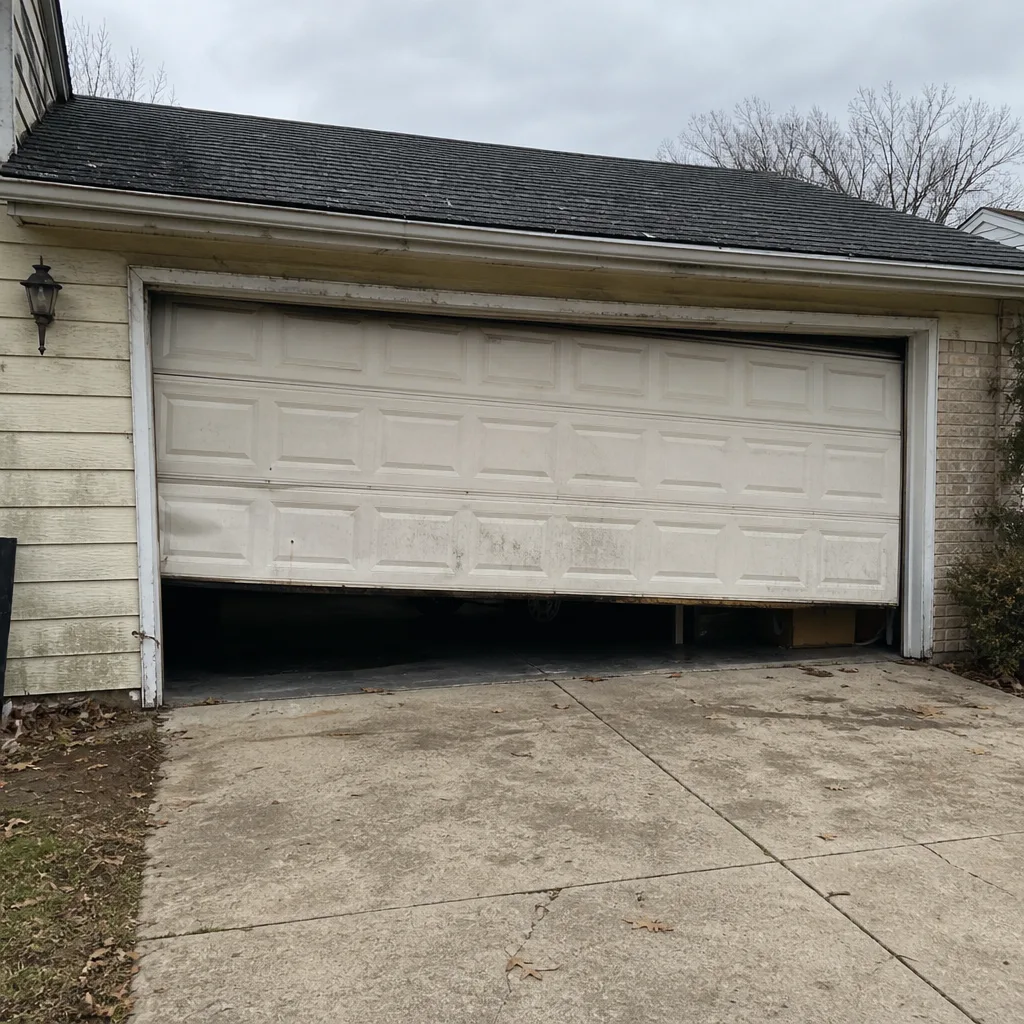 Before
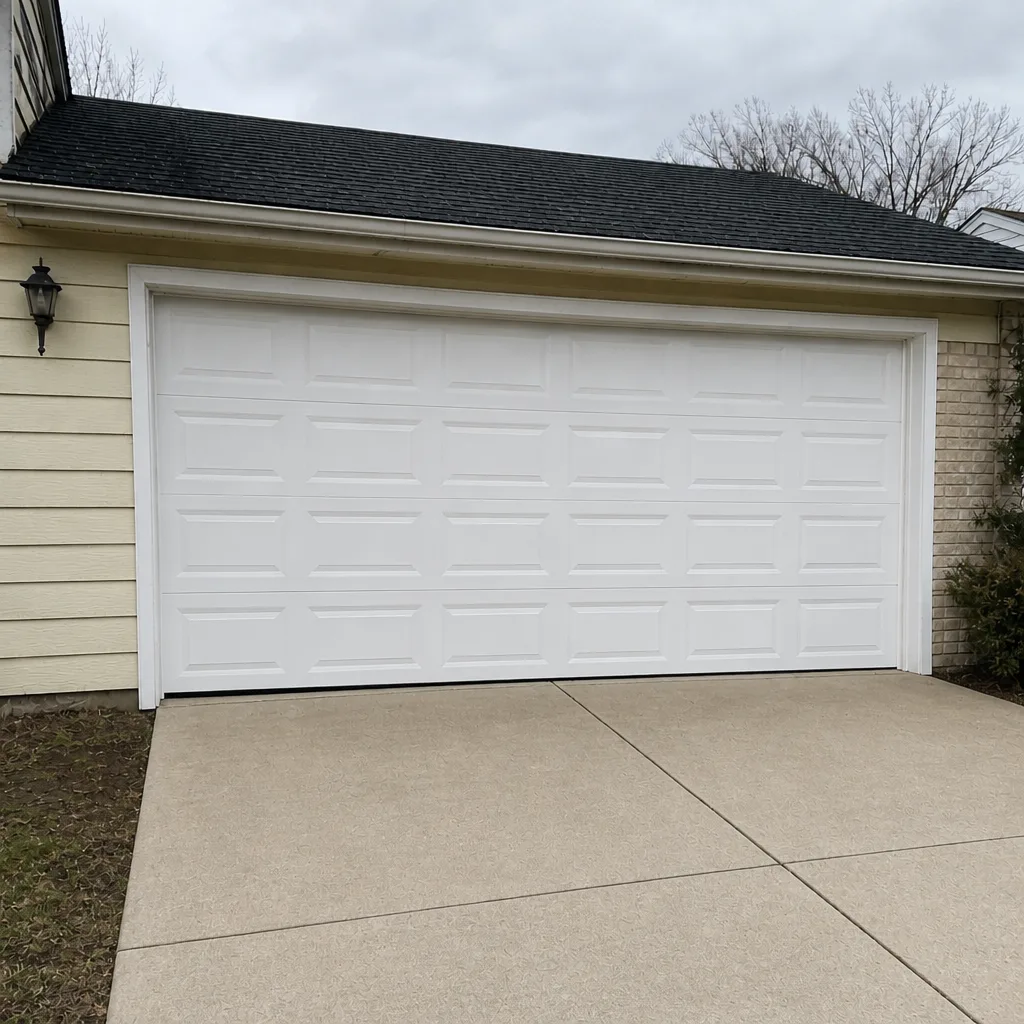 After
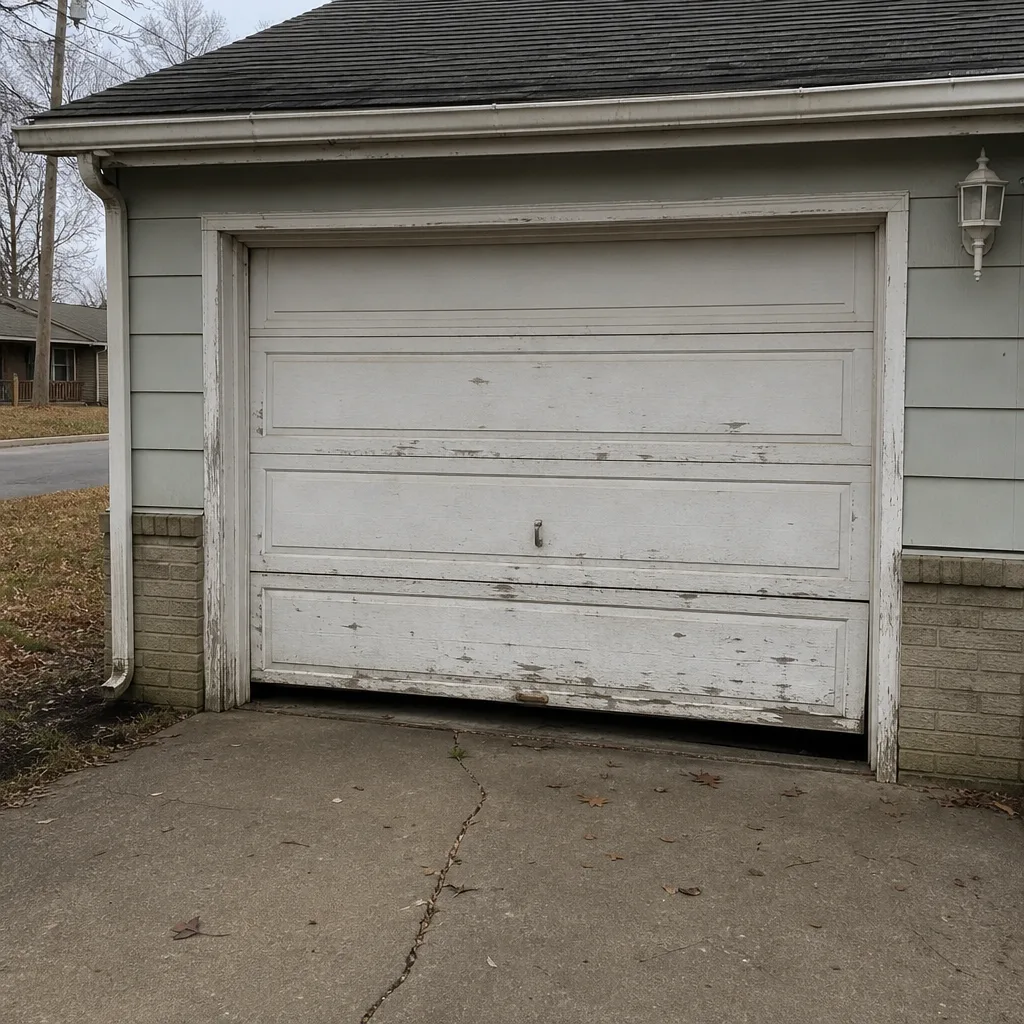 Before
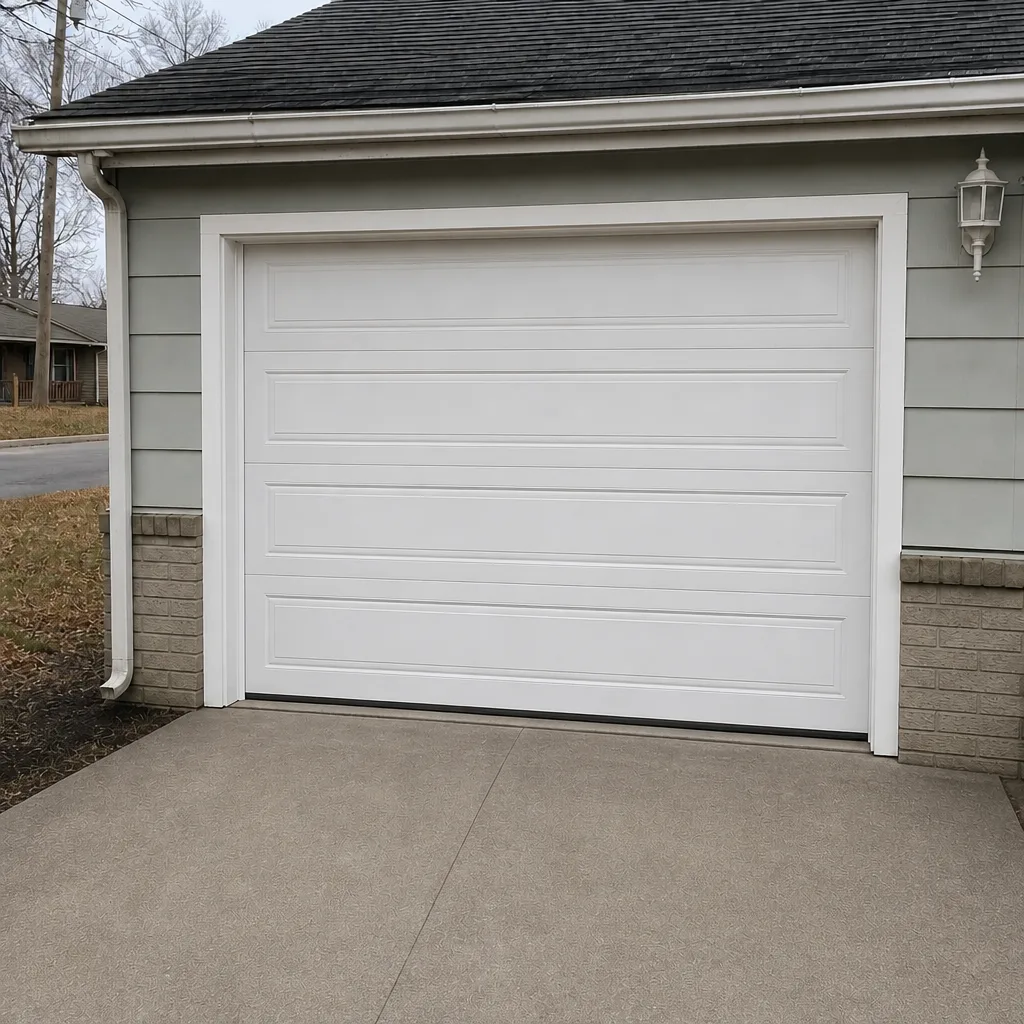 After
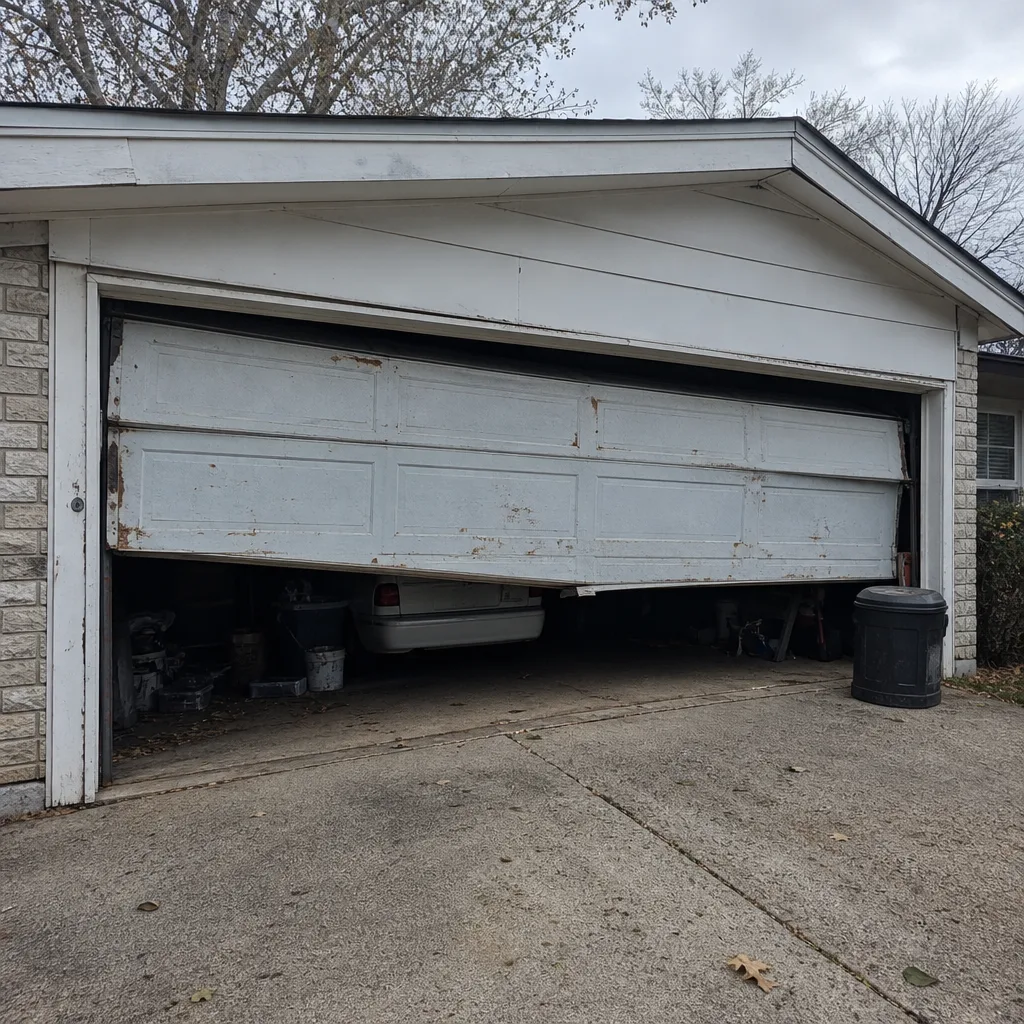 Before
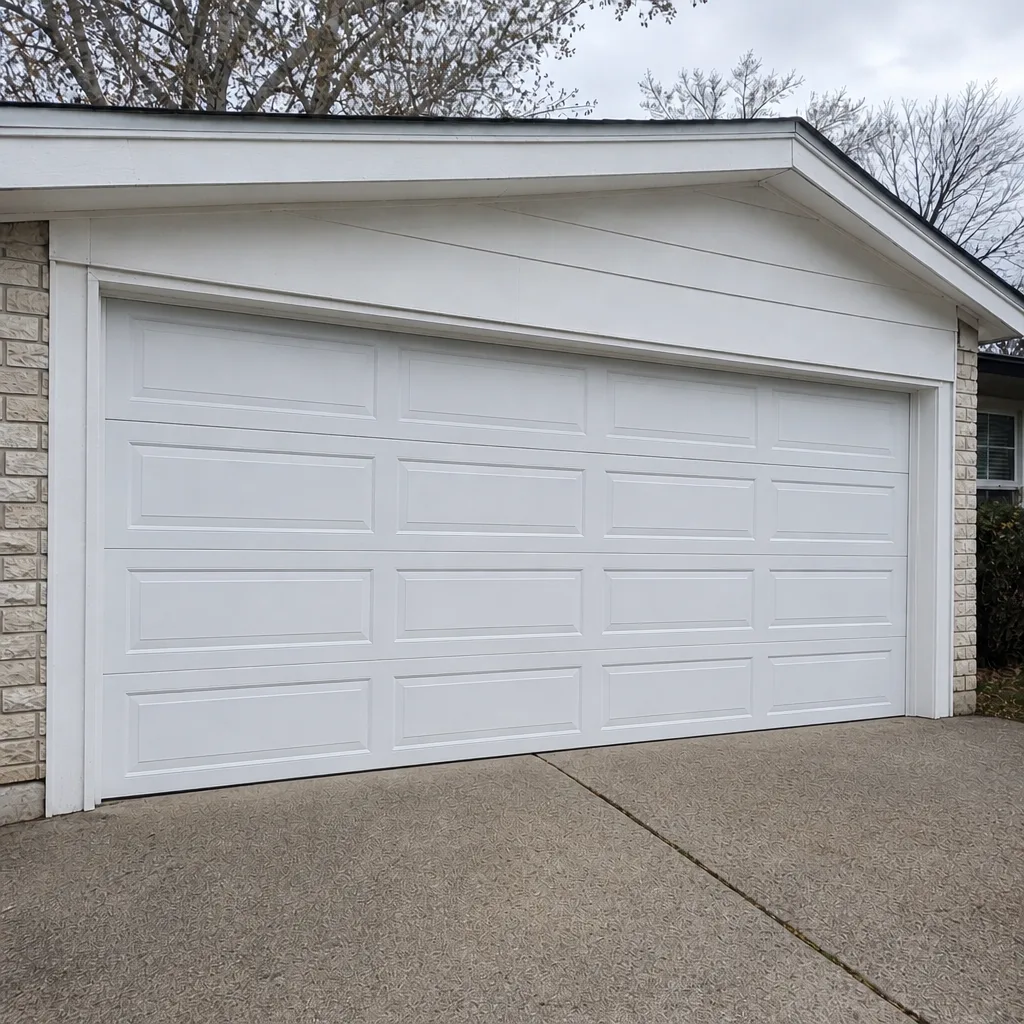 After